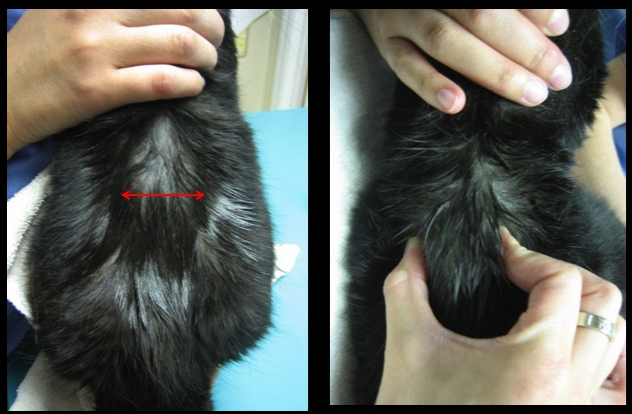
One of Dr. Peterson's recently published papers won an award, presented by Oxford Laboratories, for "excellence in the advancement of knowledge concerning small animal endocrinology."
The paper, Spontaneous primary hypothyroidism in 7 adult cats, is available in full as a download at this link.
We've cross-posted this paper on Medium here.
Given the paucity of data regarding adult‐onset feline hypothyroidism, we sought to describe the history, clinical features (including presence or absence of goiter), diagnostic testing, treatment, and long‐term outcome of 7 adult cats with spontaneous primary hypothyroidism. For these cats, we used the serum concentrations of T4, free T4 (fT4), and thyroid stimulating hormone (TSH), and results of thyroid scintigraphy to aid in both the diagnosis and long‐term monitoring of thyroid hormone replacement treatment.
Showing posts with label thyroid scintigraphy. Show all posts
Wednesday, July 24, 2019
Monday, May 11, 2015
Top Endocrine Publications of 2014: The Feline Thyroid Gland
In my fourth compilation of the canine and feline endocrine publications of 2014, I’m moving on to disorders of the feline thyroid gland. Listed below are 32 papers that deal with a variety of thyroid gland topics of issues of clinical importance in cats.
These range from from a survey of owners' perceptions and experiences after using radioiodine to treat their hyperthyroid cats (1) to the results of an online survey to determine owner experiences and opinions on the management of their cats using oral anti-thyroid medications (14); from case reports of methimazole or carbimazole-induced toxicity in cats with hyperthyroidism (3,5,19) to a number of publications involving various issues of medical treatment with methimazole (2,4,7,14,15,20); from a study of the concurrent diseases detected in hyperthyroid cats undergoing assessment for radioiodine treatment (25) to concurrent diseases and conditions in cats with renal infarcts (including hyperthyroidism (12); and finally, from studies investigating the efficacy of an iodine-restricted diet for management of cats with hyperthyroidism (9,30) to other forms of dietary management for this endocrine disease (19,24).
Finally, 2 investigations add further data concerning chronic renal disease in hyperthyroid cats (31,32), as well as the fact that iatrogenic hypothyroidism contributes to azotemia in these cats (31). A number of 2014 publications deal with the rising prevalence and/or etiopathogenesis of hyperthyroidism in cats (6,16,17,21,22,23,29). Unfortunately, further studies are needed to better define the cause(s) of this perplexing disease (download my review paper for more discussion) (23).
References:
- Boland LA, Murray JK, Bovens CP, et al. A survey of owners' perceptions and experiences of radioiodine treatment of feline hyperthyroidism in the UK. J Feline Med Surg 2014;16:663-670.
- Boretti FS, Sieber-Ruckstuhl NS, Schafer S, et al. Transdermal application of methimazole in hyperthyroid cats: a long-term follow-up study. J Feline Med Surg 2014;16:453-459.
- Bowlt K, Cattin I, Stewart J. Carbimazole-associated hypersensitivity vasculitis in a cat. J Small Anim Pract 2014;55:643-647.
- Bruyette D. Methimazole management of feline hyperthyroidism. Today's Veterinary Practice 2014;July/August:38-41.
- Castro Lopez J, Lloret A, Ravera I, et al. Pyogranulomatous mural folliculitis in a cat treated with methimazole. J Feline Med Surg 2014;16:527-531.
- Chow K, Beatty JA, Barrs VR, et al. PBDEs and feline hyperthyroidism. Vet Rec 2014;175:433-434.
- Daminet S, Kooistra HS, Fracassi F, et al. Best practice for the pharmacological management of hyperthyroid cats with antithyroid drugs. J Small Anim Pract 2014;55:4-13.
- Daniel GB, Neelis DA. Thyroid scintigraphy in veterinary medicine. Semin Nucl Med 2014;44:24-34.
- Fritsch DA, Allen TA, Dodd DE, et al. A restricted iodine food reduces circulating thyroxine concentrations in cats with hyperthyroidism. Intern J Appl Res Vet Med 2014;12:24-32.
- Fryers A, Elwood C. Hypokalaemia in a hyperthyroid domestic shorthair cat with adrenal hyperplasia. J Feline Med Surg 2014;16:853-857.
- Galgano M, Spalla I, Callegari C, et al. Primary hypothyroidism and thyroid goiter in an adult cat. J Vet Intern Med 2014;28:682-686.
- Hickey MC, Jandrey K, Farrell KS, et al. Concurrent diseases and conditions in cats with renal infarcts. J Vet Intern Med 2014;28:319-323.
- Higgs P, Costa M, Freke A, et al. Measurement of thyroxine and cortisol in canine and feline blood samples using two immunoassay analysers. J Small Anim Pract 2014;55:153–159. http://onlinelibrary.wiley.com/doi/10.1111/jsap.12181/abstract
- Higgs P, Murray JK, Hibbert A. Medical management and monitoring of the hyperthyroid cat: a survey of UK general practitioners. J Feline Med Surg 2014;16:788-795.
- Hill K, Gieseg M, Bridges J, et al. The pharmacokinetics of methimazole in a novel lipophilic formulation administered transdermally to healthy cats. N Z Vet J 2014;62:208-213.
- Hill KE, Shaw IC. Does exposure to thyroxine-mimics cause feline thyroid hyperplasia? Vet Rec 2014;175:228-229.
- Kooistra HS. Feline hyperthyroidism: a common disorder with unknown pathogenesis. Vet Rec 2014;175:456-457.
- Kujawa A, Olias P, Bottcher A, et al. Thyroid transcription factor-1 is a specific marker of benign but not malignant feline lung tumours. J Comp Pathol 2014;151:19-24.
- Laflamme D, Gunn-Moore D. Nutrition of aging cats. Vet Clin North Am Small Anim Pract 2014;44:761-774, vi.
- Mardell EJ. Diagnosis and management of feline hyperthyroidism. In Practice 2014;35:162-170.
- McLean JL, Lobetti RG, Schoeman JP. Worldwide prevalence and risk factors for feline hyperthyroidism: A review. J S Afr Vet Assoc 2014;85:1097.
- O'Neill DG, Church DB, McGreevy PD, et al. Prevalence of disorders recorded in cats attending primary-care veterinary practices in England. Vet J 2014;202:286-291.
- Peterson ME. Feline hyperthyroidism: an animal model for toxic nodular goiter. J Endocrinol 2014;223:T97-T114.
- Peterson ME, Eirmann L. Dietary management of feline endocrine disease. Vet Clin North Am Small Anim Pract2014;44:775-788.
- Puig J, Cattin I, Seth M. Concurrent diseases in hyperthyroid cats undergoing assessment prior to radioiodine treatment. J Feline Med Surg 2014.
- Rasmussen SH, Andersen HH, Kjelgaard-Hansen M. Combined assessment of serum free and total T4 in a general clinical setting seemingly has limited potential in improving diagnostic accuracy of thyroid dysfunction in dogs and cats (Letter). Vet Clin Pathol 2014;43:1-3.
- Sangster JK, Panciera DL, Abbott JA, et al. Cardiac biomarkers in hyperthyroid cats. J Vet Intern Med 2014;28:465-472.
- Schober KE, Kent AM, Aeffner F. Tachycardia-induced cardiomyopathy in a cat. Schweiz Arch Tierheilkd 2014;156:133-139.
- Stephens MJ, Neill DG, Church DB, et al. Feline hyperthyroidism reported in primary-care veterinary practices in England: prevalence, associated factors and spatial distribution. Vet Rec 2014;175:458.
- van der Kooij M, Becvarova I, Meyer HP, et al. Effects of an iodine-restricted food on client-owned cats with hyperthyroidism. J Feline Med Surg 2014;16:491-498.
- Williams TL, Elliott J, Syme HM. Effect on renal function of restoration of euthyroidism in hyperthyroid cats with iatrogenic hypothyroidism. J Vet Intern Med 2014;28:1251-1255.
- Williams TL, Elliott J, Syme HM. Association between urinary vascular endothelial growth factor excretion and chronic kidney disease in hyperthyroid cats. Res Vet Sci 2014;96:436-441.
Wednesday, February 5, 2014
Diagnosing Subclinical Hyperthyroidism in Cats
I have a quick question about a "problem" case, a 9-year old M/C DSH. This cat has lost about 3 pounds over the last year, but weighed 22 pounds last year so the owner has been trying hard to get the cat to lose weight.
The cat came in for his recheck last week. His physical examination was normal and we ran a routine blood panel (CBC, serum chemistry panel, and total T4). His serum T4 was high-normal at 3.7 µg/dl (reference range, 0.8-4.0 µg/dl). I then added on a free T4 by dialysis, which came back as slightly high at 54 pmol/L (10-50 pmol/L). Looking back in his records, his free T4 concentrations were also slightly high when checked a year ago (58 pmol/L).
This cat is not clinical at all otherwise for hyperthyroidism. He has strange seizure-like episodes, about once every 3 months, but these have been happening since he was a young cat. There has been no change in these episodes.
My gut is telling me that because this cat is not clinical and his thyroid values have remained stable over the last year, we probably should not treat hyperthyroidism at this time. However, I wanted to get your opinion and see if you think that this cat is indeed hyperthyroid, and if so, if he may be a candidate for I-131 at this time.
My Response:
In our studies, we have found that up to 30% of cats that present like this (asymptomatic, high-normal T4, slightly high free T4 concentration) will be normal when evaluated by thyroid scintigraphy (1-3). So basically, this cat certainly could be in the preclincal stages of becoming hyperthyroid, but it's also very possible that the free T4 is falsely high and he is euthyroid.
Determination of free T4 is far from being a perfect test, and a diagnosis of hyperthyroidism should NEVER be based on the finding of a high free T4 alone (1,2,4). This is especially true in a cat like this one, that presents without a palpable thyroid nodule or clinical features of thyroid disease.
So you and the owners have 2 options at this time:
- Do a thyroid scan (scintigraphy) to better define the cat's thyroid function (1-3,5,6). If the thyroid lobes are of normal size and display normal thyroid uptake of the radionuclide, we can definitely rule out hyperthyroidism. If, on the other hand, a small hyperfunctional thyroid adenoma is found, then we know that the cat has early hyperthyroidism and could be treated.
- The second option is to continue to monitor the cat every 3-6 months (body weight, heart rate, neck palpation, and complete thyroid profile, including serum concentrations of total T4, free T4, and TSH). If hyperthyroid, the serum T4 and free T4 should continue to go higher, where as the TSH should be undetectable (1,2,7,8). If the serum TSH is found to be measurable, that goes against hyperthyroidism since even mild increases in circulating T4 and T3 should feedback to the pituitary to shut off TSH secretion.
Either option is acceptable - just depends on what the owner wants to do. The cat is not going to be hurt by waiting, as long as he is closely monitored. At 9-years of age, he is still on the young side for being hyperthyroid, but about 5-10% of my cats are less than 10-years, so it's very possible that he is just preclinical at this time and will develop overt signs of hyperthyroidism within the next year.
References:
- Peterson ME. More than just T4: Diagnostic testing for hyperthyroidism in cats. J Fel Med Surg 2013;15:765-777.
- Peterson ME. Feline focus: Diagnostic testing for feline thyroid disease: hyperthyroidism. Compend Contin Educ Vet 2013;35:E3.
- Peterson ME, Broome MR. Radioiodine for feline hyperthyroidism In: Bonagura JD, Twedt DC, eds. Kirk's Current Veterinary Therapy, Volume XV. Philadelphia: Saunders Elsevier, 2014.
- Peterson ME, Melian C, Nichols R. Measurement of serum concentrations of free thyroxine, total thyroxine, and total triiodothyronine in cats with hyperthyroidism and cats with nonthyroidal disease. J Am Vet Med Assoc 2001;218:529-536.
- Broome MR. Thyroid scintigraphy in hyperthyroidism. Clin Tech Small Anim Pract 2006;21:10-16.
- Peterson ME, Broome MR. Thyroid scintigraphic findings in 917 cats with hyperthyroidism. J Vet Intern Med 2012;26:754.
- Wakeling J, Elliott J, Syme H. Evaluation of predictors for the diagnosis of hyperthyroidism in cats. J Vet Intern Med 2011;25:1057-1065.
- Wakeling J. Use of thyroid stimulating hormone (TSH) in cats. Can Vet J 2010;51:33-34.
Wednesday, January 22, 2014
How to Best Manage Non-functional Thyroid Tumors in Cats
I have a 3½ year old castrated male DLH that was found to have a 1-cm mass in the region of the left thyroid gland on a wellness exam 10 months ago. The owner declined cytology at that time, and on followup last week the mass has now grown to ~2-cm (22mm) in size. This is an incidental finding on physical exam, and the cat is maintaining his weight and otherwise seems normal at home. The body condition score, muscle condition score, and heart rate are all normal in this cat.
Routine lab work, including a CBC, serum chemistry profile, and urinalysis were all normal. Results of a serum concentrations of total T4 (2.5 µg/dl; normal, 0.8-4.0 µg/dl) and free T4 (26 pmol/L; normal, 10-50 pmol/L) were also well within reference range limits. The results of my aspiration cytology of the mass is as follows:
- The slides are of moderate to high cellularity containing scattered clusters of epithelial cells in a background of peripheral blood and scattered bare round nuclei. The epithelial cells display round to oval nuclei with a moderate amount of encircling, indistinct, pale basophilic cytoplasm. These cells display mild anisocytosis and anisokaryosis. No infectious organisms are observed.
- This is an epithelial cell tumor and cytologically it appears to be benign. This is likely a thyroid gland tumor; if so, the majority of thyroid tumors in cats are benign adenomas. Rarely, thyroid carcinomas occur in cats and are very difficult to distinguish from adenomas cytologically. Histopathology is required to specifically identify the origin of these epithelial cells. It should be emphasized that other epithelial cell tumors other than thyroid tumors in this area have similar cytologic appearance.
Is it reasonable to just monitor the cat rather than treat? I've heard about enormous thyroid masses that can become cystic and develop into thyroid carcinoma so I don't want that to happen. While we can certainly monitor for growth and deal with the mass if it gets larger, I'd like to remove it now if it's pretty much guaranteed to continue to grow and has potential to cause issues in the future.
Thanks for your advice!
My Response:
First of all, as the pathologist indicates, we can not make a definitive diagnosis of thyroid adenoma based on cytology alone. If this is thyroid adenoma, the tumor will likely continue to grow with time (1,2), as you have already seen in this case. It's also possible for an adenoma to become cystic (3), which can make treatment much more complicated.
Finally, in addition to tumor growth, it is also possible to see transformation from thyroid adenoma into carcinoma with time (2,4,5). Based on my studies, this would most likely occur in cats with long-standing hyperthyroidism treated with methimazole (longer than 3-4 years) (5). Since this cat is so young, he certainly has a long time to develop thyroid tumor growth and hyperthyroidism.
That all said, not all cats with a thyroid mass will become hyperthyroid (6-8), and not all of these thyroid tumors will continue to grow rapidly, become cystic, or transform into a malignancy. However, if this was my cat, I would certainly like to know if the mass is a thyroid adenoma or another type of tumor. In this cat, that should be the first step in managing this cat — we need to know what it is before we can recommend the "best" treatment.
Is the cervical mass of thyroid origin?
If the owner doesn't want to do surgery to remove the mass and submit the tissue for histopathology (the gold standard means of confirming the diagnosis), then the next best test to determine if the mass is of thyroid origin would be thyroid scintigraphy (9-11).
![]() |
| Figure 1: Thyroid scintigraphy in a normal cat |
It is also possible that we could have a nonfunctional thyroid tumor that would fail to have any thyroid uptake, but these are very rare, especially in cats. If that were the case, we would only see a single thyroid lobe on the scan— not the 2 normal thyroid lobes, as shown in Figure 1.
![]() |
| Figure 2: Thyroid scintigraphy in a cat with a right thyroid adenoma. |
Radioiodine treatment of non-function thyroid tumors
If the thyroid scan does confirm thyroid tumor, and it displays normal to enhanced radionuclide uptake (Figure 2), then the tumor could be treated with radioiodine, even if the cat was not hyperthyroid.
However, if the normal thyroid lobe also takes up some of the injected radionuclide, we may want to consider suppressing the normal thyroid lobe by giving exogenous L-thyroxine for a week or two to shut off pituitary TSH secretion (12). In these cats, I like to repeat the thyroid scan after administration of L-T4 to ensure that the normal lobe no longer takes up the radionuclide. If it does, that means that it will likely take up the administered I-131 and the cat will become hypothyroid.
No treatment with periodic monitoring
Now if the owner does not want to do a thyroid scan (or scintigraphy is not available in your area) and surgical removal is still out, then you have no other option other than to monitor thyroid hormone values and tumor size.
If the mass continues to grow, then surgical or radiation treatment should be strongly considered. If the cat develops hyperthyroidism at some time in the future, then medical treatment could also be considered. However, in such a young cat, I'd still recommend definitive treatment. Who would want to give methimazole to a young cat for up to 15 years or even longer, especially when we know that the thyroid tumor will continue to growth larger over time?
References:
- Baral R, Peterson ME. Thyroid gland disorders In: Little SE, ed. The Cat: Clinical Medicine and Management. Philadelphia: Elsevier Saunders, 2012;571-592.
- Peterson M. Hyperthyroidism in cats: What's causing this epidemic of thyroid disease and can we prevent it? J Feline Med Surg 2012;14:804-818.
- Hofmeister E, Kippenes H, Mealey KL, et al. Functional cystic thyroid adenoma in a cat. J Am Vet Med Assoc 2001;219:190-193.
- Hibbert A, Gruffydd-Jones T, Barrett EL, et al. Feline thyroid carcinoma: diagnosis and response to high-dose radioactive iodine treatment. J Feline Med Surg 2009;11:116-124.
- Peterson ME, Broome MR. Hyperthyroid cats on long-term medical treatment show a progressive increase in the prevalence of large thyroid tumors, intrathoracic thyroid masses, and suspected thyroid carcinoma. J Vet Intern Med 2012;26:1523.
- Norsworthy GD, Adams VJ, McElhaney MR, et al. Palpable thyroid and parathyroid nodules in asymptomatic cats. J Feline Med Surg 2002;4:145-151.
- Ferguson D, Freeman R. Goiter in apparently euthyroid cats In: August JR, ed. Consultations in Feline Internal Medicine. St. Louis: Elsevier Saunders, 2006.
- Boretti FS, Sieber-Ruckstuhl NS, Gerber B, et al. Thyroid enlargement and its relationship to clinicopathological parameters and T4 status in suspected hyperthyroid cats. J Feline Med Surg 2009;11:286-292.
- Daniel GB, Brawnier WR. Thyroid scintigraphy In: Daniel GB, Berry CR, eds. Textbook of Veterinary Nuclear Medicine. 2nd ed. Harrisburg, PA: American College of Veterinary Radiology, 2006;181-199.
- Peterson ME, Broome MR. Thyroid scintigraphic findings in 917 cats with hyperthyroidism. J Vet Intern Med 2012;26:754.
- Feeney DA, Anderson KL. Nuclear imaging and radiation therapy in canine and feline thyroid disease. Vet Clin North Am Small Anim Pract 2007;37:799-821, viii.
- Szumowski P, Rogowski F, Abdelrazek S, et al. Iodine isotope 131-I therapy for toxic nodular goitre: treatment efficacy parameters. Nucl Med Rev Cent East Eur 2012;15:7-13.
Thursday, August 22, 2013
Cystic Thyroid Carcinoma in a Hyperthyroid Cat
![]() |
| Hyperthyroid cat with cystic thyroid tumor |
![]() |
| Figure 1: Large Cystic Thyroid Mass |
Surgical resection was attempted but unsuccessful. Biopsy of the mass identified thyroid adenoma/adenomatous hyperplasia. However, a pulmonary nodule was also identified on a chest film so thyroid carcinoma is still suspected, especially given the large size of the mass.
Since surgery, the cat has continued to lose weight and has now developed a poor appetite. The cystic fluid continues to accumulate within the thyroid mass, and the cat has experienced 2 episodes of severe dyspnea and now has developed mild right-sided Horner's syndrome. The dyspnea was relieved by drainage of some of the cyst fluid. The cystic fluid was somewhat hemorrhagic (Figure 2), and the cat is now slightly anemic.
![]() |
| Figure 2: Cystic fluid removed from thyroid mass |
The cat has been referred to me for radioiodine therapy to treat the cat's large cystic mass and poorly-controlled hyperthyroid state, and to determine whether any other causes could explain or be contributing to her weight loss and poor appetite.
My problem list for this cat includes the following:
- Hyperthyroidism
- Huge cystic thyroid tumor
- Secondary dyspnea and Horner's syndrome due to the compressive effects of the cystic mass
- Chronic kidney disease (IRIS Stage 2)
- Mild poorly-regenerative anaemia
- Pulmonary nodule (my differentials include a thyroid metastatic lesion, primary pulmonary tumor, or metastatic lesion from an unrelated tumor).
Do you agree with my treatment protocol? Do these large cystic masses respond to treatment with radioiodine or do they behave differently? What is your experience with this sort of tumor?
This is the largest (hypersecretory) thyroid mass I have seen, and the owners are very realistic about the guarded prognosis and possible complications of treatment. But we really have nowhere else to go other than radioiodine (she was referred to me by a surgeon!).
My Response:
In cats with long-term hyperthyroidism, the development of cystic thyroid masses are not uncommon (1,2). Most of these cysts never become extremely large and the cats remain asymptomatic (i.e., no signs related to the compressive effects of the cystic tumor).
Cystic thyroid nodules have been associated with thyroid carcinoma in dogs, as well as thyroid adenomas or carcinomas in cats (1-5). It is also possible for cats to develop a nonfunctional cystic thyroid adenoma (6-9).
This cat will indeed be a challenge to manage and successfully cure. Here are my thoughts and responses to your questions:
Huge cystic mass extending from her mandible into mediastinum with a solitary pulmonary nodule
Many cats with advanced or chronic hyperthyroidism will develop a large thyroid tumor that can fall through the thoracic inlet into the anterior mediastinal area (10). Similarly, when cats develop thyroid carcinoma, local invasion of tumor tissue into the cranial thoracic area is very common. However, metastasis as a solitary pulmonary nodule would be very rare with thyroid carcinoma.
Therefore, if the pulmonary nodule in this cat is located in the lateral and/or caudal lung lobes, I would say that thyroid metastasis is quite unlikely.
Does the surgical biopsy rule out thyroid carcinoma in this cat?
Confirming thyroid carcinoma in some cats can be difficult. In one study of 8 cats with thyroid carcinoma (5), 2 cases had mixed adenomatous and carcinoma lesions on the same tissue section of their thyroid biopsies. This suggests that carcinoma can arise from a background of benign thyroid neoplasia, at least in some cats.
Therefore, the pathologic finding of thyroid adenoma (adenomatous hyperplasia) can never totally exclude concurrent carcinomatous tissue in a hyperthyroid cat.
The suggestion that thyroid adenoma can transform to thyroid carcinoma makes some sense, since most cats with carcinoma have severe, long-standing hyperthyroidism associated with a large tumor volume (10). Given that this cat has a huge goiter and has been hyperthyroid for over 2 years, that would make thyroid carcinoma more likely. In any case, given that the thyroid cyst is so large in this cat, very large doses of 131-I would be required to destroy the tumor tissue, even if the cystic thyroid tumor is benign.
Draining the cystic fluid from the thyroid tumor
Of course, you must drain the cystic fluid in order to minimize and relieve the cat's dyspnea. But after you treat with I-131, you need to be prepared to do this in an ongoing fashion during the cats hospitalization.
In other words, the radioiodine will not have immediate effects and the cystic fluid will likely continue to accumulate for at least a few weeks after treatment.
Tumor behavior in hyperthyroid cats with large cystic masses
In this cat, I would expect a fair to good response after radioiodine treatment, with resolution of the hyperthyroidism and a marked decrease in size of the thyroid mass.
However, I have had a number of cats with large cystic masses ultimately require surgical resection to prevent recurrence of cystic fluid following cure of their hyperthyroidism (and return to euthyroid state). In these cats, the cystic fluid continues to accumulate, despite a decrease in the size of the adenomatous mass.
Many of these cystic masses which are deemed "unresectable" before radioiodine treatment will become much easier to remove with surgery after treatment. Use of radioiodine renders the cyst relatively avascular, thereby making this surgical procedure much more successful.
References:
- Hofmeister E, Kippenes H, Mealey KL, et al. Functional cystic thyroid adenoma in a cat. J Am Vet Med Assoc 2001;219:190-193.
- Phillips DE, Radlinsky MG, Fischer JR, et al. Cystic thyroid and parathyroid lesions in cats. J Am Anim Hosp Assoc 2003;39:349-354.
- Wisner ER, Nyland TG. Ultrasonography of the thyroid and parathyroid glands. Vet Clin North Am Small Anim Pract 1998;28:973-991.
- Turrel JM, Feldman EC, Nelson RW, et al. Thyroid carcinoma causing hyperthyroidism in cats: 14 cases (1981-1986). J Am Vet Med Assoc 1988;193:359-364.
- Hibbert A, Gruffydd-Jones T, Barrett EL, et al. Feline thyroid carcinoma: diagnosis and response to high-dose radioactive iodine treatment. J Feline Med Surg 2009;11:116-124.
- Liptak JM. Unilateral extracapsular thyroidectomy for a non-functional cystic thyroid adenoma. Aust Vet Practit 1996;26:174-177.
- Lynn A, Dockins JM, Kuehn NF, et al. Caudal mediastinal thyroglossal duct cyst in a cat. J Small Anim Pract 2009;50:147-150.
- Reed TP, Brisson BA, Schutt LK. Cystic ectopic lingual thyroid tissue in a male cat. J Am Vet Med Assoc 2011;239:981-984.
- Nelson LL, Coelho JC, Mietelka K, et al. Pharyngeal pouch and cleft remnants in the dog and cat: a case series and review. J Am Anim Hosp Assoc 2012;48:105-112.
- Peterson ME, Broome MR. Hyperthyroid cats on long-term medical treatment show a progressive increase in the prevalence of large thyroid tumors, intrathoracic thyroid masses, and suspected thyroid carcinoma. Congress Proceedings, 22nd ECVIM-CA Congress (The European College of Veterinary Internal Medicine – Companion Animals) 2012;224.
Wednesday, July 17, 2013
Top 10 Clinical Endocrinology ACVIM Abstracts, Part 3
Today’s post completes our look at some of the interesting research that was presented at the annual American College of Veterinary Internal Medicine Forum last month in Seattle, Washington.
I'm ending with 4 abstracts on thyroid disease, two of which I'm a coauthor. I apologize in advance for including my own work in this top list, but I'm biased! As always, if you disagree with any of my picks or my reviews, I welcome your comments.
Finally, if you can count, you will realize that I've reviewed 11 abstracts in my last 3 posts, rather than the "Top 10" as my title indicated. To be honest, I couldn't decide which abstract to exclude from my list and the "Top 10" title sounded better!
Broome MR, Peterson ME. Use of L-thyroxine supplementation after radioiodine therapy helps blunt the worsening of azotemia in hyperthyroid cats with pre-existing kidney disease. J Vet Intern Med 2013;27:685-686.
Comments—Untreated hyperthyroidism can lead to the development of chronic kidney disease (CKD) by many mechanisms (1-3). Between 30-40% of cats with hyperthyroidism have pre-existing CKD at time of diagnosis of the thyroid condition (3,4).
Treatment of the hyperthyroid state can worsen azotemia, but this worsening may be related to degree of lowering in circulating T4 and T3 concentrations. Iatrogenic hypothyroidism has been shown to contribute to worsening of azotemia and shorten the life expectancy in cats with pre-existing CKD (5). In hyperthyroid cats with concurrent azotemia, the transient hypothyroidism that follows radioiodine therapy may contribute to additional renal function decline and worsening of the cats’ CKD stage (6).
The Bottom Line— The results of this study suggest that L-T4 supplementation of radioiodine-treated cats with concurrent CKD may help limit progression of azotemia by avoiding the transient hypothyroidism that commonly develops after radioiodine therapy. In agreement with our feline studies, recent reports also show that thyroid hormone replacement can help attenuates the decline of renal function in CKD patients with subclinical or overt hypothyroidism (7-9).
Further research is in progress, but short-term L-T4 supplementation has become an integral part of the protocol for treating hyperthyroid cats with renal disease at our practice.
References:
Chciuk K, Behrend EN, Martin L, et al. Evaluation of thyroid-stimulating hormone, total thyroxine,and free thyroxine concentrations in 65 hyperthyroid cats receiving methimazole therapy. J Vet Intern Med 2013;27:691-692.
Iatrogenic hypothyroidism following treatment of feline hyperthyroidism can have deleterious effects on renal function. Serum total thyroxine concentration (T4) is commonly used to evaluate therapy, but no study has examined the use of both serum free thyroxine by equilibrium dialysis (FT4ed) and thyroid-stimulating hormone (TSH) concentrations. The purpose of this study was to compare the ability of T4, FT4ed, and TSH concentrations to diagnose treatment-induced hypothyroidism in hyperthyroid cats receiving methimazole. We hypothesized that FT4ed would identify more cats with iatrogenic hypothyroidism as compared to T4. A total of 65 samples from previously-diagnosed hyperthyroid cats receiving methimazole therapy and with T4 concentrations <48 nmol/L were included. Samples had been submitted to the diagnostic laboratories at Auburn University (n = 22) and Michigan State University (n = 43). T4, FT4ed and TSH concentrations were measured via assays previously validated for use in cats. Correlation was tested via a Spearman Rank Order test. Significance was set at the p < 0.05 level. The median (range) T4, FT4ed, and TSH concentrations were 20 (3-48) nmol/L, 20 (3-57) pmol/L, and 0.1 (.08-9.1) ng/ml, respectively. Overall, 23 cats (35%) had an elevated TSH concentration (>0.30 ng/ml). For cats with elevated TSH concentrations, median T4 and FT4ed concentrations were 11 (3-40) nmol/L and 12 (3-35) pmol/L, respectively. Cats with normal TSH concentrations (<0.30 ng/ml) had median T4 and FT4ed concentrations of 23.5 (5-48) nmol/L and 27.0 (6-57) pmol/L, respectively. The percentage of cats with an elevated TSH concentration in combination with a low T4 (<10 nmol/L), FT4ed (<10 pmol/L), or both T4 and FT4ed concentration were 17%, 12% and 11%, respectively. Eleven cats (17%) had an elevated TSH despite normal T4 and FT4ed concentrations. One cat (1.5%) had a normal TSH despite low T4 and FT4ed concentrations. Of 24 cats with T4 concentrations between 10-25 nmol/L (low end of the reference range 10 nmol/L), 7 (29%) had an elevated TSH. Of 26 cats with FT4ed concentrations between 10-25 pmol/L (low end of the reference range 10 pmol/L), 11 (42%) had an elevated TSH. A significant positive correlation was found between T4 and FT4ed concentrations (p < 0.001). A significant negative correlation was found between both T4 and TSH concentrations (p < 0.001) and between FT4ed and TSH concentrations (p < 0.0001). The data suggest that FT4ed does not identify more cats with iatrogenic hypothyroidism as compared to T4. As some cats had an elevated TSH concentration despite having a normal T4 or FT4ed, further investigation may be warranted.
Comments—Iatrogenic hypothyroidism can develop during therapy with antithyroid drugs (1-3), after thyroidectomy (1,3,4), or following radioiodine therapy (1,5-8). Although early reports suggested that clinical signs associated with severe iatrogenic hypothyroidism in cats were uncommon and that most cats did not require treatment, it is now realized that milder degrees of iatrogenic hypothyroidism are relatively common and that these cats may benefit from thyroid replacement therapy (especially if concurrent CKD is present) (3).
Many cats with iatrogenic hypothyroidism will develop high serum TSH concentration as measured by the cTSH assay (1,3,9). In a cat suspected of hypothyroidism, the finding of a high serum TSH value in combination with low serum concentrations of total or free T4 can generally be considered diagnostic for hypothyroidism.
As reported in this study, high serum TSH values are common (over a third) in hyperthyroid cats treated with methimazole. However, 17% of these cats had a high TSH value despite completely normal T4 and free T4 concentrations.
The Bottom Line— As reported in this study, it is not uncommon for high serum TSH to develop in cats treated for hyperthyroidism despite maintenance of completely normal concentrations of T4, free T4, or both (9). This brings up a number of questions that still remain unanswered.
Do these cats really have mild degrees of hypothyroidism? Is this a form of subclincal hypothyroidism, as reported in man (10-11)? Should the methimazole dosage be reduced or should they be treated with levothyroxine despite their normal circulating thyroid hormone values? Or are these serum TSH values falsely high, simply representing a TSH laboratory artifact? At this time, the answers to these questions remain unknown.
References:
Gallagher B, Mooney CT. Prevalence and risk factors for hyperthyroidism in Irish cats from the greater Dublin area. J Vet Intern Med 2013;27:689.
Hyperthyroidism is a common feline endocrinopathy. However, prevalence varies widely with geographical location. Anecdotal reports suggest this disorder is rare within the Irish feline population. The aim of this study was to document the prevalence of hyperthyroidism in geriatric cats in the greater Dublin area of Ireland and to assess risk factors for development of the disease. Practitioners within the study area were requested to select cats presenting to their clinic aged 10 years or older, in which blood sampling was being performed for geriatric health screening or clinical investigation purposes, independent of suspected thyroid status. Serum samples were submitted to University College Dublin Diagnostic Endocrine Laboratory for total thyroxine (T4) measurement by a chemiluminescent method (Canine Total T4, Immulite 1000, Siemens). Cats were classified as hyperthyroid, equivocal or euthyroid based on a total T4 concentration of > 60 nmol/L, 30–60 nmol/L or <30 nmol/L, respectively. Repeat measurement of total T4 after 4-6 weeks, or free T4 by equilibrium dialysis was recommended in all equivocal cases. Animals receiving treatment for hyperthyroidism were excluded. In order to fulfill the study criteria a questionnaire completed by the client and veterinarian detailing historical and physical information was requested with each submission. Associations between different categorical variables were analysed by Chi- square or Fisher’s exact test. Total T4 concentrations in hyperthyroid animals reported to have palpable or non-palpable goitre were compared using the Mann-Whitney U test. A P-value of < 0.05 was considered statistically significant. A response rate of 77% from 45 targeted practices was achieved. Samples were submitted from 508 cats; 181 male, 238 female and 89 unreported. Thyroid hormone analysis identified 107 (21%) hyperthyroid, 53 (10%) equivocal and 348 (69%) euthyroid cases. Weight loss (P < 0.0001), polyphagia (P < 0.0006) and dyspnoea (P = 0.0370) were significantly associated with a diagnosis of hyperthyroidism. Vomiting or diarrhoea was not (P = 0.684 and P = 0.2758 respectively). Cats with goitre were more likely to be diagnosed as hyperthyroid (odds ratio (OR) = 2.958, 95% CI = 1.778 – 4.920) compared to those without. Tachycardia (P = 0.0018), but not the presence of a cardiac murmur (P = 0.1892) had a significant association with hyperthyroidism. Increasing age was the only significant risk factor (P = 0.0015). A relationship between sex, breed, vaccination status, parasite control, environment or preferred food flavour was not established. There was no significant difference between the total T4 concentration of hyperthyroid cats with or without reportedly palpable goitre (P = 0.3316). Hyperthyroidism is not uncommon in Irish cats. Historical and physical examination findings including weight loss, polyphagia, dyspnoea, goitre and tachycardia are significantly associated with hyperthyroidism. Surprisingly age was the only recognised risk factor for the development of the disease. The identified but unexplained inability of the study practitioners to palpate goitre in hyperthyroid animals over a range of total T4 concentrations may explain the previously perceived low prevalence of this condition in Ireland.
Comments—In this study, a large population of Irish geriatric cats were screened for hyperthyroidism. Although it has been thought that feline hyperthyroidism was a rare condition in Ireland (1), this study found that that 107 (21%) of the 508 screened cats were definitely hyperthyroid and another 52 cats (10%) were borderline hyperthyroid.
The Bottom Line— Hyperthyroidism is an extremely common condition in older cats, occurring in about 10% of cats older than 9 years of age (1-3). Even in a country, such as Ireland, where hyperthyroidism has traditionally been considered to be a rare condition, this study proves that this is not the case.
Since all hyperthyroid cats develop a thyroid tumor as part of their disease, thyroid palpation should be incorporated into the routine physical examination for all cats, especially for geriatric cats (2,4). Even if a thyroid nodule cannot be palpated, annual thyroid screening is recommended for all cats older than 10-years of age to help in earlier detection of this condition.
References:
Broome MR, Peterson ME. Ectopic sublingual thyroid neoplasia in the dog: 25 cases (1995-2012). J Vet Intern Med 2013;27:685-686.
Thyroid embryology defines the normal migration of thyroid tissue from its origin as an epithelial proliferation in the floor of the pharynx at the base of the tongue (ie, the foramen caecum) along the path of the thyroglossal tract. The embryologic path of the thyroid gland includes the tongue and hyoid apparatus. Failure to associate fully with the embryologic aortic sac leads to the incomplete descent of the thyroid and the presence of sublingual ectopic thyroid tissue. Ectopic thyroid tissue in this location can occasionally become neoplastic. Two previous reports describe a total of 9 cases of sublingual thyroid carcinoma in dogs (JAVMA 1989;195:1606; ASVS Veterinary Symposium 2011;217). No reports of benign thyroid neoplasia developing in this location have been identified. Medical records reviewed between 1995-2012 revealed 519 dogs with thyroid carcinoma, confirmed by thyroid scintigraphy. During that period, 25 dogs with ectopic sublingual thyroid neoplasia were identified (5% of all thyroid carcinoma cases). The dogs ranged in age from 4-15 years (median, 9 yrs), with 13 neutered males and 12 spayed females. Breeds included mix (6 dogs), Golden Retriever (4), American Staffordshire Terrier (2), and Labrador Retrievers (2). Eight dogs (32%) had high serum T4 levels, consistent with hyperthyroidism. Twelve dogs had normal total T4 levels, 4 dogs had low values, and 1 dog’s T4 value was not available. Four dogs had pulmonary metastases confirmed by scintigraphy and 4 had concurrent cervical disease, and 1 dog had both concurrent cervical disease and pulmonary metastasis. Seventeen dogs had histopathologic confirmation and 7 dogs had cytologic confirmation of thyroid malignancy. Fourteen dogs were treated with surgery; of these, 9 had excision of the basihyoid bone. All tolerated surgical intervention, including hyoid bone resection. Gross surgical excision of thyroid disease was confirmed scintigraphically in 7 dogs, 5 of which required hyoid bone resection. Thirteen dogs were treated with high-dose radioiodine (dose range, 40-130 mCi; mean, 95 mCi). No lasting complications following radioiodine were identified. Radioiodine therapy resulted in a marked response, as measured by percent decreased radionuclide uptake (range 42-100%, mean, 80%) in 8 dogs with gross disease. Radioiodine was also successful in ablating normal thyroid tissue in 3 dogs without persistent gross disease. Nine dogs were treated with both surgery and radioiodine. Surgery was performed prior to radioiodine therapy in all 9 dogs. One dog with a thyroid tumor deemed initially surgically unresectable had a successful surgical excision following radioiodine therapy. Conclusions: In dogs, ectopic sublingual thyroid carcinoma is not uncommon. Surgical excision of the basihyoid bone is often indicated for gross resection of laryngeal thyroid carcinoma and is well tolerated. Adjunctive high dose radioiodine therapy is indicated for cases of incomplete surgical excision of local disease or when metastatic disease is confirmed scintigraphically.
Comments—Numerous cases of ectopic cranial mediastinal and heart base thyroid carcinomas in the dog have been reported (1-3). Ectopic thyroid tissue higher up in the sublingual area is also not rare, and this tissue may also become neoplastic. Until this report, however, only 9 cases of sublingual thyroid carcinoma have been reported in the dog (4,5).
The Bottom Line— In dogs, ectopic sublingual thyroid carcinoma is not uncommon, diagnosed at a rate of 5% of all thyroid carcinomas in our practice. These results reveal that partial surgical excision of the hyoid apparatus is generally indicated for gross resection of sublingual thyroid carcinoma, which is well tolerated.
High dose radioiodine therapy may be helpful in treating those dogs with overt hyperthyroidism (about 30% of the dogs of this report were hyperthyroid.cases). Adjunctive high dose radioiodine or chemotherapy therapy may also be useful with incomplete surgical excision and/or with metastatic or multicentric disease.
References:
I'm ending with 4 abstracts on thyroid disease, two of which I'm a coauthor. I apologize in advance for including my own work in this top list, but I'm biased! As always, if you disagree with any of my picks or my reviews, I welcome your comments.
Finally, if you can count, you will realize that I've reviewed 11 abstracts in my last 3 posts, rather than the "Top 10" as my title indicated. To be honest, I couldn't decide which abstract to exclude from my list and the "Top 10" title sounded better!
Hyperthyroidism develops in cats secondary to 1 or more autonomously functional thyroid adenomas. The progressive thyrotoxicosis that ensues causes the chronic suppression of endogenous TSH release and ultimately the atrophy of normal thyroid tissue in these cats. This thyroid atrophy can lead to a period of transient hypothyroidism following curative radioiodine therapy. Once T4 values fall, circulating TSH levels increase, leading to reactivation of the previously suppressed and atrophied thyroid tissue in the large majority of these cats. Between 30-40% of cats with hyperthyroidism have preexisting chronic kidney disease (CKD). Iatrogenic hypothyroidism has been shown to contribute to worsening of azotemia and shortened life expectancy in cats with preexisting CKD (Williams et al, J Vet Intern Med. 2010;24:1086). In hyperthyroid cats with concurrent azotemia, the transient hypothyroidism that follows radioiodine therapy may contribute to additional renal function decline and worsening of the cats’ CKD stage. The purpose of this study was to evaluate if prevention of this transient hypothyroidism would blunt the progression of azotemia commonly seen following the resolution of thyrotoxicosis in these cats with preexisting CKD. In this study, 195 hyperthyroid cats with concurrent CKD (IRIS stage 2 to 3) were treated with radioiodine (range, 1-10 mCi, median, 3 mCi). Of the 195 CKD cats, 85 cats were discharged on L-T4 (0.1 mg, PO q24 h), whereas the remaining 110 cats served as controls (no L-T4 supplementation). In both groups, total T4, BUN, and creatinine levels were recorded before treatment and then again at 1, 3 and 12 months following radioiodine therapy. Following successful radioiodine therapy, both groups of cats with preexisting CKD demonstrated increases in serum BUN and creatinine levels that gradually progressed over the 12-month period (Table 1). However, the percent rise in median creatinine concentrations in the 85 cats treated with L-T4 was significantly less than the rise in the 110 cats not supplemented with L-T4 (12.5% vs 33.3%; P < 0.05). These results suggest that L-T4 supplementation of radioiodine-treated cats with CKD may help limit progression of azotemia, presumably by avoiding the transient hypothyroidism that commonly develops after radioiodine therapy.
Treatment of the hyperthyroid state can worsen azotemia, but this worsening may be related to degree of lowering in circulating T4 and T3 concentrations. Iatrogenic hypothyroidism has been shown to contribute to worsening of azotemia and shorten the life expectancy in cats with pre-existing CKD (5). In hyperthyroid cats with concurrent azotemia, the transient hypothyroidism that follows radioiodine therapy may contribute to additional renal function decline and worsening of the cats’ CKD stage (6).
The Bottom Line— The results of this study suggest that L-T4 supplementation of radioiodine-treated cats with concurrent CKD may help limit progression of azotemia by avoiding the transient hypothyroidism that commonly develops after radioiodine therapy. In agreement with our feline studies, recent reports also show that thyroid hormone replacement can help attenuates the decline of renal function in CKD patients with subclinical or overt hypothyroidism (7-9).
Further research is in progress, but short-term L-T4 supplementation has become an integral part of the protocol for treating hyperthyroid cats with renal disease at our practice.
References:
- Basu G, Mohapatra A. Interactions between thyroid disorders and kidney disease. Indian J Endocrinol Metab 2012;16:204-213.
- Mariani LH, Berns JS. The renal manifestations of thyroid disease. J Am Soc Nephrol 2012;23:22-26.
- Williams TL. Is hyperthyroidism damaging to the feline kidney? PhD thesis, Department of Veterinary Clinical Sciences: Royal Veterinary College, University of London, 2013.
- Syme HM. Cardiovascular and renal manifestations of hyperthyroidism. Vet Clin North Am Small Anim Pract 2007;37:723-743.
- Williams TL, Elliott J, Syme HM. Association of iatrogenic hypothyroidism with azotemia and reduced survival time in cats treated for hyperthyroidism. J Vet Intern Med 2010;24:1086-1092.
- Peterson ME, Broome MR. Radioiodine for feline hyperthyroidism In: Bonagura JD, Twedt DC, eds. Kirk's Current Veterinary Therapy, Volume XV. Philadelphia: Saunders Elsevier, 2013;in press.
- Shin DH, Lee MJ, Kim SJ, et al. Preservation of renal function by thyroid hormone replacement therapy in chronic kidney disease patients with subclinical hypothyroidism. J Clin Endocrinol Metab 2012;97:2732-2740.
- Hataya Y, Igarashi S, Yamashita T, et al. Thyroid hormone replacement therapy for primary hypothyroidism leads to significant improvement of renal function in chronic kidney disease patients. Clin Exp Nephrol 2012.
- Shin DH, Lee MJ, Lee HS, et al. Thyroid hormone replacement therapy attenuates the decline of renal function in chronic kidney disease patients with subclinical hypothyroidism. Thyroid 2013;23:654-661.
Chciuk K, Behrend EN, Martin L, et al. Evaluation of thyroid-stimulating hormone, total thyroxine,and free thyroxine concentrations in 65 hyperthyroid cats receiving methimazole therapy. J Vet Intern Med 2013;27:691-692.
Iatrogenic hypothyroidism following treatment of feline hyperthyroidism can have deleterious effects on renal function. Serum total thyroxine concentration (T4) is commonly used to evaluate therapy, but no study has examined the use of both serum free thyroxine by equilibrium dialysis (FT4ed) and thyroid-stimulating hormone (TSH) concentrations. The purpose of this study was to compare the ability of T4, FT4ed, and TSH concentrations to diagnose treatment-induced hypothyroidism in hyperthyroid cats receiving methimazole. We hypothesized that FT4ed would identify more cats with iatrogenic hypothyroidism as compared to T4. A total of 65 samples from previously-diagnosed hyperthyroid cats receiving methimazole therapy and with T4 concentrations <48 nmol/L were included. Samples had been submitted to the diagnostic laboratories at Auburn University (n = 22) and Michigan State University (n = 43). T4, FT4ed and TSH concentrations were measured via assays previously validated for use in cats. Correlation was tested via a Spearman Rank Order test. Significance was set at the p < 0.05 level. The median (range) T4, FT4ed, and TSH concentrations were 20 (3-48) nmol/L, 20 (3-57) pmol/L, and 0.1 (.08-9.1) ng/ml, respectively. Overall, 23 cats (35%) had an elevated TSH concentration (>0.30 ng/ml). For cats with elevated TSH concentrations, median T4 and FT4ed concentrations were 11 (3-40) nmol/L and 12 (3-35) pmol/L, respectively. Cats with normal TSH concentrations (<0.30 ng/ml) had median T4 and FT4ed concentrations of 23.5 (5-48) nmol/L and 27.0 (6-57) pmol/L, respectively. The percentage of cats with an elevated TSH concentration in combination with a low T4 (<10 nmol/L), FT4ed (<10 pmol/L), or both T4 and FT4ed concentration were 17%, 12% and 11%, respectively. Eleven cats (17%) had an elevated TSH despite normal T4 and FT4ed concentrations. One cat (1.5%) had a normal TSH despite low T4 and FT4ed concentrations. Of 24 cats with T4 concentrations between 10-25 nmol/L (low end of the reference range 10 nmol/L), 7 (29%) had an elevated TSH. Of 26 cats with FT4ed concentrations between 10-25 pmol/L (low end of the reference range 10 pmol/L), 11 (42%) had an elevated TSH. A significant positive correlation was found between T4 and FT4ed concentrations (p < 0.001). A significant negative correlation was found between both T4 and TSH concentrations (p < 0.001) and between FT4ed and TSH concentrations (p < 0.0001). The data suggest that FT4ed does not identify more cats with iatrogenic hypothyroidism as compared to T4. As some cats had an elevated TSH concentration despite having a normal T4 or FT4ed, further investigation may be warranted.
Comments—Iatrogenic hypothyroidism can develop during therapy with antithyroid drugs (1-3), after thyroidectomy (1,3,4), or following radioiodine therapy (1,5-8). Although early reports suggested that clinical signs associated with severe iatrogenic hypothyroidism in cats were uncommon and that most cats did not require treatment, it is now realized that milder degrees of iatrogenic hypothyroidism are relatively common and that these cats may benefit from thyroid replacement therapy (especially if concurrent CKD is present) (3).
Many cats with iatrogenic hypothyroidism will develop high serum TSH concentration as measured by the cTSH assay (1,3,9). In a cat suspected of hypothyroidism, the finding of a high serum TSH value in combination with low serum concentrations of total or free T4 can generally be considered diagnostic for hypothyroidism.
As reported in this study, high serum TSH values are common (over a third) in hyperthyroid cats treated with methimazole. However, 17% of these cats had a high TSH value despite completely normal T4 and free T4 concentrations.
The Bottom Line— As reported in this study, it is not uncommon for high serum TSH to develop in cats treated for hyperthyroidism despite maintenance of completely normal concentrations of T4, free T4, or both (9). This brings up a number of questions that still remain unanswered.
Do these cats really have mild degrees of hypothyroidism? Is this a form of subclincal hypothyroidism, as reported in man (10-11)? Should the methimazole dosage be reduced or should they be treated with levothyroxine despite their normal circulating thyroid hormone values? Or are these serum TSH values falsely high, simply representing a TSH laboratory artifact? At this time, the answers to these questions remain unknown.
References:
- Graham P. Measurement of feline thyrotropin using a commercial canine-specific immunoradiometric assay. J Vet Intern Med 2000;14:342.
- Fischetti AJ, Drost WT, DiBartola SP, et al. Effects of methimazole on thyroid gland uptake of 99mTC-pertechnetate in 19 hyperthyroid cats. Vet Radiol Ultrasound 2005;46:267-272.
- Williams TL, Elliott J, Syme HM. Association of iatrogenic hypothyroidism with azotemia and reduced survival time in cats treated for hyperthyroidism. J Vet Intern Med 2010;24:1086-1092.
- Welches CD, Scavelli TD, Matthieson DT, et al. Occurrence of problems after three techniques of bilateral thyroidectomy in cats. Vet Surg 1989;18:392-396.
- Meric SM, Rubin SI. Serum thyroxine concentrations following fixed-dose radioactive iodine treatment in hyperthyroid cats: 62 cases (1986-1989). J Am Vet Med Assoc 1990;197:621-623.
- Jones BR, Cayzer J, Dillon EA, et al. Radio-iodine treatment of hyperthyroid cats. N Z Vet J 1991;39:71-74.
- Peterson ME, Becker DV. Radioiodine treatment of 524 cats with hyperthyroidism. J Am Vet Med Assoc 1995;207:1422-1430.
- Nykamp SG, Dykes NL, Zarfoss MK, et al. Association of the risk of development of hypothyroidism after iodine 131 treatment with the pretreatment pattern of sodium pertechnetate Tc-99m uptake in the thyroid gland in cats with hyperthyroidism: 165 cases (1990-2002). J Am Vet Med Assoc 2005;226:1671-1675.
- Peterson ME. Diagnostic testing for feline thyroid disease: hypothyroidism. Compend 2013; 35: E1-E6.
- Biondi B, Cooper DS. The clinical significance of subclinical thyroid dysfunction. Endocr Rev 2008;29:76-131.
- Khandelwal D, Tandon N. Overt and subclinical hypothyroidism: who to treat and how. Drugs 2012;72:17-33.
Gallagher B, Mooney CT. Prevalence and risk factors for hyperthyroidism in Irish cats from the greater Dublin area. J Vet Intern Med 2013;27:689.
Hyperthyroidism is a common feline endocrinopathy. However, prevalence varies widely with geographical location. Anecdotal reports suggest this disorder is rare within the Irish feline population. The aim of this study was to document the prevalence of hyperthyroidism in geriatric cats in the greater Dublin area of Ireland and to assess risk factors for development of the disease. Practitioners within the study area were requested to select cats presenting to their clinic aged 10 years or older, in which blood sampling was being performed for geriatric health screening or clinical investigation purposes, independent of suspected thyroid status. Serum samples were submitted to University College Dublin Diagnostic Endocrine Laboratory for total thyroxine (T4) measurement by a chemiluminescent method (Canine Total T4, Immulite 1000, Siemens). Cats were classified as hyperthyroid, equivocal or euthyroid based on a total T4 concentration of > 60 nmol/L, 30–60 nmol/L or <30 nmol/L, respectively. Repeat measurement of total T4 after 4-6 weeks, or free T4 by equilibrium dialysis was recommended in all equivocal cases. Animals receiving treatment for hyperthyroidism were excluded. In order to fulfill the study criteria a questionnaire completed by the client and veterinarian detailing historical and physical information was requested with each submission. Associations between different categorical variables were analysed by Chi- square or Fisher’s exact test. Total T4 concentrations in hyperthyroid animals reported to have palpable or non-palpable goitre were compared using the Mann-Whitney U test. A P-value of < 0.05 was considered statistically significant. A response rate of 77% from 45 targeted practices was achieved. Samples were submitted from 508 cats; 181 male, 238 female and 89 unreported. Thyroid hormone analysis identified 107 (21%) hyperthyroid, 53 (10%) equivocal and 348 (69%) euthyroid cases. Weight loss (P < 0.0001), polyphagia (P < 0.0006) and dyspnoea (P = 0.0370) were significantly associated with a diagnosis of hyperthyroidism. Vomiting or diarrhoea was not (P = 0.684 and P = 0.2758 respectively). Cats with goitre were more likely to be diagnosed as hyperthyroid (odds ratio (OR) = 2.958, 95% CI = 1.778 – 4.920) compared to those without. Tachycardia (P = 0.0018), but not the presence of a cardiac murmur (P = 0.1892) had a significant association with hyperthyroidism. Increasing age was the only significant risk factor (P = 0.0015). A relationship between sex, breed, vaccination status, parasite control, environment or preferred food flavour was not established. There was no significant difference between the total T4 concentration of hyperthyroid cats with or without reportedly palpable goitre (P = 0.3316). Hyperthyroidism is not uncommon in Irish cats. Historical and physical examination findings including weight loss, polyphagia, dyspnoea, goitre and tachycardia are significantly associated with hyperthyroidism. Surprisingly age was the only recognised risk factor for the development of the disease. The identified but unexplained inability of the study practitioners to palpate goitre in hyperthyroid animals over a range of total T4 concentrations may explain the previously perceived low prevalence of this condition in Ireland.
Comments—In this study, a large population of Irish geriatric cats were screened for hyperthyroidism. Although it has been thought that feline hyperthyroidism was a rare condition in Ireland (1), this study found that that 107 (21%) of the 508 screened cats were definitely hyperthyroid and another 52 cats (10%) were borderline hyperthyroid.
The Bottom Line— Hyperthyroidism is an extremely common condition in older cats, occurring in about 10% of cats older than 9 years of age (1-3). Even in a country, such as Ireland, where hyperthyroidism has traditionally been considered to be a rare condition, this study proves that this is not the case.
Since all hyperthyroid cats develop a thyroid tumor as part of their disease, thyroid palpation should be incorporated into the routine physical examination for all cats, especially for geriatric cats (2,4). Even if a thyroid nodule cannot be palpated, annual thyroid screening is recommended for all cats older than 10-years of age to help in earlier detection of this condition.
References:
- Caney S. Advances in our understanding of feline hyperthyroidism. Vet Ireland J 2012;2:450-454.
- Baral R, Peterson ME. Thyroid gland disorders In: Little SE, ed. The Cat: Clinical Medicine and Management. Philadelphia: Elsevier Saunders, 2012;571-592.
- Peterson M. Hyperthyroidism in cats: What's causing this epidemic of thyroid disease and can we prevent it? J Feline Med Surg 2012;14:804-818.
- Peterson ME. Diagnostic testing for hyperthyroidism in cats: more than just T4. J Fel Med Surg 2013: in press.
Broome MR, Peterson ME. Ectopic sublingual thyroid neoplasia in the dog: 25 cases (1995-2012). J Vet Intern Med 2013;27:685-686.
Thyroid embryology defines the normal migration of thyroid tissue from its origin as an epithelial proliferation in the floor of the pharynx at the base of the tongue (ie, the foramen caecum) along the path of the thyroglossal tract. The embryologic path of the thyroid gland includes the tongue and hyoid apparatus. Failure to associate fully with the embryologic aortic sac leads to the incomplete descent of the thyroid and the presence of sublingual ectopic thyroid tissue. Ectopic thyroid tissue in this location can occasionally become neoplastic. Two previous reports describe a total of 9 cases of sublingual thyroid carcinoma in dogs (JAVMA 1989;195:1606; ASVS Veterinary Symposium 2011;217). No reports of benign thyroid neoplasia developing in this location have been identified. Medical records reviewed between 1995-2012 revealed 519 dogs with thyroid carcinoma, confirmed by thyroid scintigraphy. During that period, 25 dogs with ectopic sublingual thyroid neoplasia were identified (5% of all thyroid carcinoma cases). The dogs ranged in age from 4-15 years (median, 9 yrs), with 13 neutered males and 12 spayed females. Breeds included mix (6 dogs), Golden Retriever (4), American Staffordshire Terrier (2), and Labrador Retrievers (2). Eight dogs (32%) had high serum T4 levels, consistent with hyperthyroidism. Twelve dogs had normal total T4 levels, 4 dogs had low values, and 1 dog’s T4 value was not available. Four dogs had pulmonary metastases confirmed by scintigraphy and 4 had concurrent cervical disease, and 1 dog had both concurrent cervical disease and pulmonary metastasis. Seventeen dogs had histopathologic confirmation and 7 dogs had cytologic confirmation of thyroid malignancy. Fourteen dogs were treated with surgery; of these, 9 had excision of the basihyoid bone. All tolerated surgical intervention, including hyoid bone resection. Gross surgical excision of thyroid disease was confirmed scintigraphically in 7 dogs, 5 of which required hyoid bone resection. Thirteen dogs were treated with high-dose radioiodine (dose range, 40-130 mCi; mean, 95 mCi). No lasting complications following radioiodine were identified. Radioiodine therapy resulted in a marked response, as measured by percent decreased radionuclide uptake (range 42-100%, mean, 80%) in 8 dogs with gross disease. Radioiodine was also successful in ablating normal thyroid tissue in 3 dogs without persistent gross disease. Nine dogs were treated with both surgery and radioiodine. Surgery was performed prior to radioiodine therapy in all 9 dogs. One dog with a thyroid tumor deemed initially surgically unresectable had a successful surgical excision following radioiodine therapy. Conclusions: In dogs, ectopic sublingual thyroid carcinoma is not uncommon. Surgical excision of the basihyoid bone is often indicated for gross resection of laryngeal thyroid carcinoma and is well tolerated. Adjunctive high dose radioiodine therapy is indicated for cases of incomplete surgical excision of local disease or when metastatic disease is confirmed scintigraphically.
Comments—Numerous cases of ectopic cranial mediastinal and heart base thyroid carcinomas in the dog have been reported (1-3). Ectopic thyroid tissue higher up in the sublingual area is also not rare, and this tissue may also become neoplastic. Until this report, however, only 9 cases of sublingual thyroid carcinoma have been reported in the dog (4,5).
The Bottom Line— In dogs, ectopic sublingual thyroid carcinoma is not uncommon, diagnosed at a rate of 5% of all thyroid carcinomas in our practice. These results reveal that partial surgical excision of the hyoid apparatus is generally indicated for gross resection of sublingual thyroid carcinoma, which is well tolerated.
High dose radioiodine therapy may be helpful in treating those dogs with overt hyperthyroidism (about 30% of the dogs of this report were hyperthyroid.cases). Adjunctive high dose radioiodine or chemotherapy therapy may also be useful with incomplete surgical excision and/or with metastatic or multicentric disease.
References:
- Birchard SJ, Roesel OF. Neoplasia of the thyroid gland in the dog—a retrospective study of 16 cases. J Am Anim Hosp Assoc 1981;17:369–372.
- Liptak JM, Kamstock DA, Dernell WS, et al. Cranial mediastinal carcinomas in nine dogs. Vet Comp Oncol 2008;6:19-30.
- Stassen QE, Voorhout G, Teske E, et al. Hyperthyroidism due to an intrathoracic tumour in a dog with test results suggesting hyperadrenocorticism. J Small Anim Pract 2007;48:283-287.
- Donner G.S. Common head/neck tumors in uncommon locations —hyoid apparatus, nasal septum. In: Conference Proceedings American College of Veterinary Surgeons. Chicago, Ill, 2011;217-220.
- Lantz GC, Salisbury SK. Surgical excision of ectopic thyroid carcinoma involving the base of the tongue in dogs: three cases (1980-1987). J Am Vet Med Assoc 1989;195:1606-1608.
Wednesday, February 6, 2013
Diagnosing Cats with Borderline or Occult Hyperthyroidism
My patient is a 12-year-old, female, DSH that presented for hematuria. Routine blood work was normal but her serum T4 value was slightly high at 4.6 μg/dl (reference range, 1-4 μg/dl). Results of abdominal radiographs showed a bladder urolith which has resolved after 1 month of feeding a diet of Royal Canin Urinary SO.
The cat has been asymptomatic for hyperthyroidism and the serum T4 determination was only performed because of her age (we routinely screen all cats that are older than 10 years). She may be drinking more water but that is most likely due to the urinary SO diet).
On reexamination now, her weight is stable (5.3 kg), her body condition score is perfect, and she has a normal heart rate (200 bpm). I did not palpate a thyroid nodule on this cat on either of my examinations. I repeated a serum T4 on this cat but now the value (3.1 μg/dl) is within the lab's reference range.
Do you think that this cat is hyperthyroid, or do we need a free T4 in this cat? Should I do any other testing?
My Response:
First of all, I agree with your protocol of starting to screen all senior cats for hyperthyroidism after the age of 10 years. Hyperthyroidism is a common disease, affecting about 10% of senior or geriatric cats (1). In the early stages of the disease, the owners (or their veterinarian) might not notice any clinical signs. Many of these cats are overweight, so loss of some body weight is commonly viewed as a "good" sign, rather than a problem. Screening allows us to pick up cats with mild or early hyperthyroidism before the disorder is allowed to progress to severe disease.
That said, we can never base a diagnosis of hyperthyroidism solely upon a single high T4 value. Lab error is not uncommon, and it's possible to see false-positive results. This is especially true today, when more and more commercial laboratories have stopped using the "gold standard" methods for T4 analysis (such as RIA or chemiluminence) and are switching to automated assays (homogenous enzyme immunoassays) that are run on the auto-analyzer together with the chemistry panel.
In this cat, a total T4 value of 3.1 μg/dl is in the upper third of the lab's reference range so it is still possible that the cat is suffering from mild hyperthyroidism. Fluctuations in circulating T4 and T3 in and out of the reference range is common in cats with mild hyperthyroidism, which can make diagnosis more difficult (2-6). The fact that a thyroid nodule cannot be palpated goes against the diagnosis of hyperthyroidism; however, tiny thyroid nodules can be very difficult to palpate.
So how do we handle cats like this?
We have a number of options, ranging from use of T3 suppression testing (7) to thyroid scintigraphy (8). What I like to do as a first step in cats like this is to run a complete thyroid panel, which includes the following tests:
- serum T4 by RIA or chemiluminescence (Immulite)
- free T4 by equilibrium dialysis
- serum TSH (measured using the widely available canine TSH assay).
If the T4 is high-normal but the free T4 is high and TSH is undetectable, then hyperthyroidism is likely. However, if the total and free T4 are normal to borderline, and the serum TSH value is not suppressed, then hyperthyroidism is much less likely (4-6, 9).
You do have one other option, however, which is just to wait and recheck the cat in 1 to 3 months. In some cats, simply repeating the serum T4 concentration may be diagnostic if the T4 is fluctuating in and out of the reference range. In other cats with preclinical disease, it may take a number of weeks or even months for the serum total T4 concentrations to increase into the “high” range diagnostic for hyperthyroidism.
With time, however, all cats with mild hyperthyroidism will develop more severe disease as the thyroid tumor goes and secretes more T4, making it easier to diagnose (1). Mild or occult hyperthyroidism in a 12-year old cat is never an emergency. Sometimes close monitoring of body weight, heart rate, and thyroid size every few weeks to months is the best way to handle cats like this.
References:
- Peterson M. Hyperthyroidism in cats: What's causing this epidemic of thyroid disease and can we prevent it? J Feline Med Surg 2012;14:804-818.
- Peterson ME. Diagnostic tests for hyperthyroidism in cats. Clin Tech Small Anim Pract 2006;21:2-9.
- Peterson ME, Melian C, Nichols R. Measurement of serum concentrations of free thyroxine, total thyroxine, and total triiodothyronine in cats with hyperthyroidism and cats with nonthyroidal disease. J Am Vet Med Assoc 2001;218:529-536.
- Mooney CT, Peterson ME. Feline hyperthyroidism In: Mooney CT, Peterson ME, eds. BSAVA Manual of Canine and Feline Endocrinology. Fourth ed. Quedgeley, Gloucester: British Small Animal Veterinary Association. 2012;92-110.
- Baral RM, Peterson ME. Thyroid gland disorders In: Little SE, ed. The Cat: Clinical Medicine and Management. St. Louis: Elsevier Saunders, 2012;571-592.
- Peterson ME. Hyperthyroidism in cats In: Rand JS, Behrend E, Gunn-Moore D, et al., eds. Clinical Endocrinology of Companion Animals. Ames, Iowa Wiley-Blackwell, 2013;295-310.
- Peterson ME, Graves TK, Gamble DA: Triiodothyronine (T3) suppression test: An aid in the diagnosis of mild hyperthyroidism in cats. J Vet Intern Med 1990;4:233-238.
- Broome MR. Thyroid scintigraphy in hyperthyroidism. Clin Tech Small Anim Pract 2006;21:10-16.
- Wakeling J. Use of thyroid stimulating hormone (TSH) in cats. Can Vet J 2010;51:33-34.
- Wakeling J, Moore K, Elliott J, et al. Diagnosis of hyperthyroidism in cats with mild chronic kidney disease. J Small Anim Pract 2008;49:287-294.
Friday, January 18, 2013
Is Fine-Needle Aspiration Helpful in Diagnosing Thyroid Carcinomas in Cats?
![]() |
| Huge thyroid mass (goiter) in cat with long-standing hyperthyroidism |
I'm considering the use of ultrasound-guided fine-needle aspiration (FNA) to get a small biopsy of the enlarged thyroid tumor to determine whether this is cancer (thyroid carcinoma) or just a very large benign thyroid mass (adenoma or adenomatous hyperplasia).
Is it possible to determine if the tumor is malignant or not with FNA of the affected thyroid? Or do I need a tissue biopsy or thyroid scan to diagnose thyroid carcinoma?
My Response:
Unfortunately, FNA of the enlarged goiter is not that helpful in diagnosis of thyroid carcinoma in cats. Although use of FNA is commonly used as part of the workup of human patients with thyroid nodules (1,2) these human patients are generally not suffering from hyperthyroidism, so the pathological features of the thyroid nodule is much different from the nodules we see in hyperthyroid cats. In addition, even if human patients, false-negative results of FNA are not uncommon (3-5).
Endocrine pathology can be very difficult (6,7), and in many cats it can be difficult to determine adenoma from carcinoma even if the whole thyroid tumor has been removed and routine histopathology is performed.
To complicate thyroid pathology even more, I believe that feline thyroid carcinoma can arise from transformation of benign thyroid adenoma/adenomatous hyperplasia to thyroid carcinoma (see references below. In support of this, investigators have recently reported that some hyperthyroid cats will have areas of adenoma adjacent to areas of carcinoma within the same thyroid lobe on biopsy (8).
In addition, my own studies have shown that the prevalence of thyroid carcinoma in hyperthyroid cats receiving long-term methimazole treatment increases considerably over time, rising to approximately 20% in cats treated for over 4 years (9-11). This suggests that, at least in some cats with long-standing hyperthyroidism, there may be transformation of thyroid adenomatous hyperplasia/adenoma to thyroid carcinoma (8). If that is the case, the pathogenesis of thyroid adenoma and thyroid carcinoma may be identical in nature, rather than these representing two separate tumor processes.
Therefore, to make a diagnosis of thyroid carcinoma, the best diagnostic approach would be surgical tissue biopsy. Even if that is done, however, the pathologist must look at multiple sections of the thyroid tissue in order to rule out concurrent thyroid adenoma and carcinoma within the removed thyroid lobe.
Thyroid scintigraphy can be very helpful in evaluating these cats with large thyroid masses (8-11). Although a definitive diagnosis can be made only with thyroid biopsy, the scintigraphic findings of multiple areas of thyroid uptake, irregular tumor borders, and soft tissue invasion (especially into the thoracic cavity) would all suggest the presence of thyroid carcinoma (8,11).
References:
- Chowdhury S, Mukherjee S, Mukhopadhyay S, et al. The thyroid nodule--evaluation and management. J Indian Med Assoc 2006;104:568-570, 572-563.
- Langer JE, Baloch ZW, McGrath C, et al. Thyroid nodule fine-needle aspiration. Semin Ultrasound CT MR 2012;33:158-165.
- Samir AE, Vij A, Seale MK, et al. Ultrasound-guided percutaneous thyroid nodule core biopsy: clinical utility in patients with prior nondiagnostic fine-needle aspirate. Thyroid 2012;22:461-467.
- Grani G, Calvanese A, Carbotta G, et al. Intrinsic factors affecting adequacy of thyroid nodule fine-needle aspiration cytology. Clin Endocrinol (Oxf) 2013;78:141-144.
- Mehanna R, Murphy M, McCarthy J, et al. False negatives in thyroid cytology: Impact of large nodule size and follicular variant of papillary carcinoma. Laryngoscope 2013 (in press).
- Carpenter JL, Andrews LK, Holzworth J. Tumors and tumor-like lesions In: Holzworth J, ed. Diseases of the Cat: Medicine and Surgery. Philadelphia: W.B. Saunders, 1987;406-596.
- Gerber H, Peter H, Ferguson DC, et al. Etiopathology of feline toxic nodular goiter. Vet Clin North Am Small Anim Pract 1994;24:541-565.
- Hibbert A, Gruffydd-Jones T, Barrett EL, et al. Feline thyroid carcinoma: diagnosis and response to high-dose radioactive iodine treatment. J Feline Med Surg 2009;11:116-124.
- Peterson ME. Treatment of severe, unresponsive, or recurrent hyperthyroidism in cats. Proceedings of the 2011 ACVIM Forum; 2011 June 15–19; Denver, CO. American College of Veterinary Internal Medicine, pp 104–106.
- Peterson M. Hyperthyroidism in cats: What's causing this epidemic of thyroid disease and can we prevent it? J Feline Med Surg 2012;14:804-818.
- Peterson ME and Broome MR. Thyroid scintigraphic findings in 917 cats with hyperthyroidism. J Vet Intern Med 2012; 26: 54.
- Peterson ME, Broome MR. Hyperthyroid cats on long-term medical treatment show a progressive increase in the prevalence of large thyroid tumors, intrathoracic thyroid masses, and suspected thyroid carcinoma. J Vet Intern Med 2012;26:1523.
Wednesday, March 23, 2011
Q & A: What's the Best Screening Test for Feline Hyperthyroidism?
We are trying to concur on choice of the single best test to screen cats for hyperthyroidism. Is determination of total T4 still the gold standard for screening the majority of cats?
My Response:
![]() |
| TT4 is diagnostic in 90% of cats with hyperthyroidism |
Use of a serum total T4 concentration is absolutely the best single screening test. But remember, the diagnosis of hyperthyroidism can never be based on a single total T4 alone. It has to be based on the presence of clinical features (eg. weight loss despite a good appetite) together with the presence of a thyroid nodule. If many clinical signs of hyperthyroid are present in a cat with a high total T4 but a thyroid nodule is not palpable, it's always a good idea to confirm the diagnosis by repeating the T4 and/or measuring a free T4 concentration.
![]() |
| Falsely high FT4 values common in cats with other illness |
In some cats with mild hyperthyroidism, the total T4 can be high-normal or only borderline high. In these cats, a free T4 measurement is commonly used to help verify the diagnosis. The free T4 value should NEVER be run without a total T4; the specificity of the T4 is quite poor, and many cats without hyperthyroidism will have a high free T4 concentration. Therefore, the presence of a high free T4 with a normal T4 is not really diagnostic for hyperthyroidism unless the cat is showing clinical signs of the disease and has a palpable thyroid nodule.
![]() |
| Thyroid scan of a cat with mild hyperthyroidism |
Again, without clinical features and physical exam findings consistent with hyperthyroidism, it's always best to wait and retest at 1-3 month intervals. Thyroid scintigraphy (see Figure on left) can also be a very helpful diagnostic aid in these cats. Cats with mild hyperthyroidism have an increased uptake of the radionuclide by their thyroid nodules. The percent uptake (or thyroid:salivary ratio) can be calculated and used as a sensitive diagnostic test for hyperthyroid cats.
Sound difficult? Unfortunately, it is not always so easy to correctly diagnose hyperthyroidism in cats. But remember that treatment of hyperthyroidism is never an emergency, especially if the hyperthyroidism is very mild. If a 'borderline' cat does have hyperthyroidism, the thyroid nodule will grow and the total T4 will become high with time.
Subscribe to:
Posts (Atom)