Showing posts with label Diabetes insipidus. Show all posts

Monday, February 23, 2015

Top Endocrine Publications of 2014: The Canine and Feline Pituitary Gland


For my next review of the endocrine publications of 2014 that concern companion animals, I'm going to turn to the theme of diagnosis and treatment of pituitary problems in dogs and cats. Listed below are 18 clinical and research papers written in 2014 that deal with a variety of pituitary gland issues of clinical importance in dogs and cats.

These range from case studies of cats with primary hypodipsia and inappropriate antidiuretic hormone secretion (1,2) to an investigation of the clinical utility of formulas of estimated serum osmolality (3); from a study of acromegaly in a series German shepherd dogs (4) to a number of excellent studies of the clinical features, diagnosis, or treatment of feline acromegaly (8,9,13,15); and from investigation of the stress response in dogs (5,14) to a study of the intraoperative changes of circulating vasopressin during elective ovariohysterectomy in dogs (6).

Other publications include a study investigating the problems associated with commercial assays for determination of feline ACTH (7) to a review of the use of GnRH agonists in dogs and cats (10); from a report of a transsphenoidal surgical technique for removal of pituitary adenomas in dogs with pituitary-dependent Cushing's disease (11) to a review of the role of prolactin in canine mammary tumor development (12); and finally, from a report of the clinical findings, diagnostic test results, and treatment outcome of 30 cats with spontaneous Cushing's disease (16) to an investigation of the mutations associated with pituitary dwarfism in Saarloos and Czechoslovakian wolfdogs (18).

References:
  1. Bach J, Claus K. Primary hypodipsia in a cat with severe hypernatremia. J Feline Med Surg 2014;16:240-242. 
  2. Demonaco SM, Koch MW, Southard TL. Syndrome of inappropriate antidiuretic hormone secretion in a cat with a putative Rathke's cleft cyst. J Feline Med Surg 2014;16:1010-1015. 
  3. Dugger DT, Epstein SE, Hopper K, et al. A comparison of the clinical utility of several published formulae for estimated osmolality of canine serum. J Vet Emerg Crit Care (San Antonio) 2014;24:188-193. 
  4. Fracassi F, Zagnoli L, Rosenberg D, et al. Spontaneous acromegaly: a retrospective case control study in German shepherd dogs. Vet J 2014;202:69-75. 
  5. Hekman JP, Karas AZ, Sharp CR. Psychogenic stress in hospitalized dogs: cross species comparisons, implications for health care, and the challenges of evaluation. Animals (Basel) 2014;4:331-347. 
  6. Hoglund OV, Hagman R, Olsson K, et al. Intraoperative changes in blood pressure, heart rate, plasma vasopressin, and urinary noradrenalin during elective ovariohysterectomy in dogs: repeatability at removal of the 1st and 2nd ovary. Vet Surg 2014;43:852-859. 
  7. Kemppainen RJ. Amino acid differences in cat adrenocorticotropin account for the inability of a human-based immunoradiometric assay to detect the molecule in cat plasma. J Vet Diagn Invest 2014;26:431-433.
  8. Lamb CR, Ciasca TC, Mantis P, et al. Computed tomographic signs of acromegaly in 68 diabetic cats with hypersomatotropism. J Feline Med Surg 2014;16:99-108. 
  9. Lourenco BN, Randall E, Seiler G, et al. Abdominal ultrasonographic findings in acromegalic cats. J Feline Med Surg 2014.  
  10. Lucas X. Clinical use of deslorelin (GnRH agonist) in companion animals: a review. Reprod Domest Anim 2014;49 Suppl 4:64-71. 
  11. Mamelak AN, Owen TJ, Bruyette D. Transsphenoidal surgery using a high definition video telescope for pituitary adenomas in dogs with pituitary dependent hypercortisolism: methods and results. Vet Surg 2014;43:369-379. 
  12. Michel E, Rohrer Bley C, Kowalewski MP, et al. Prolactin--to be reconsidered in canine mammary tumourigenesis? Vet Comp Oncol 2014;12:93-105. 
  13. Myers JA, Lunn KF, Bright JM. Echocardiographic findings in 11 cats with acromegaly. J Vet Intern Med 2014;28:1235-1238. 
  14. Nagasawa M, Shibata Y, Yonezawa A, et al. The behavioral and endocrinological development of stress response in dogs. Dev Psychobiol 2014;56:726-733. 
  15. Rosca M, Forcada Y, Solcan G, et al. Screening diabetic cats for hypersomatotropism: performance of an enzyme-linked immunosorbent assay for insulin-like growth factor 1. J Feline Med Surg 2014;16:82-88. 
  16. Valentin SY, Cortright CC, Nelson RW, et al. Clinical findings, diagnostic test results, and treatment outcome in cats with spontaneous hyperadrenocorticism: 30 cases. J Vet Intern Med 2014;28:481-487. 
  17. van Rijn SJ, Riemers FM, van den Heuvel D, et al. Expression stability of reference genes for quantitative RT-PCR of healthy and diseased pituitary tissue samples varies between humans, mice, and dogs. Mol Neurobiol 2014;49:893-899. 
  18. Voorbij AM, Leegwater PA, Kooistra HS. Pituitary dwarfism in Saarloos and Czechoslovakian wolfdogs is associated with a mutation in LHX3. J Vet Intern Med 2014;28:1770-1774. 

Tuesday, March 11, 2014

What's the Best Dosage of Desmopressin when Injected Subcutaneously?


In a recent blog, you mentioned using compounded desmopressin (0.01%) that could be injected subcutaneously (SC).  I have 3 questions about the use of this desmopressin preparation:
  1. What dose do you recommend for this formulation (per patient or per kg)? 
  2. I've read elsewhere that the dose should be 2 µg per patient, administered once or twice daily. Would you agree with this (i.e., dosing independent of the weight of the patient)? 
  3. I believe 0.01% is 100 µg/ml, correct?  If I use a U-100 insulin syringe, would this mean 2 units of the compounded formulation per dose? 
My Response:

Dose of desmopressin for SC injection
The empirical starting dose that I use for injectable desmopressin administered subcutaneously is 1–5 μg once or twice daily, depending on the size of the dog and response to therapy (1,2). As might be expected, larger-breed dogs tend to need more drug to control polyuria and polydipsia, and these bigger dogs will tolerate higher doses.

To make dosing easier, I usually have the owners draw up and administer the desmopressin with a U-100 low-dose insulin syringe. You are correct in that 0.01% is 100 µg/ml, so injecting 1-5 µg would be 1-5 units in this syringe.

Water intoxication is possible with use of this drug, so I do recommend monitoring of serum sodium concentrations, especially when high doses are given (1,3,4).

Formulations of desmopressin that can be injected
An injectable sterile solution of desmopressin acetate (4 µg/ml) marketed for intravenous use is available commercially and can be used in animals with diabetes insipidus (2). However, the cost of the injectable desmopressin is approximately 7 to 15 times higher per µg than the intranasal preparation, making this formulation cost-prohibitive for use in most dogs and cats.

The human nasal preparation of desmopressin can also be administered subcutaneously, but that preparation is not sterile and not authorized for this route (1,2).

Therefore, I generally use a compounded, veterinary, injectable formulation, which has already been sterilized by the compounding pharmacy and is safe to inject subcutaneously. This form is much cheaper than the injectable solution of desmopressin marketed for parenteral use in human patients.

References:
  1. Shiel RE. Disorders of vasopressin production. In: Mooney CT, Peterson ME, eds. BSAVA Manual of Canine and Feline Endocrinology, Fourth ed. Gloucester: British Small Animal Veterinary Association; 2012:1-13. 
  2. Peterson ME. What Drugs Do We Use to Treat Diabetes Insipidus? Insights in to Veterinary Endocrinology blog post, January 13, 2011. 
  3. Robson WL. Water intoxication in patients treated with desmopressin. Pharmacotherapy 1996;16:969-970.
  4. Bernstein SA, Williford SL. Intranasal desmopressin-associated hyponatremia: a case report and literature review. J Fam Pract 1997;44:203-208.

Wednesday, March 5, 2014

Differentiating Diabetes Insipidus from Psychogenic Polydipsia in Dogs

My problem case is a  7-year old male-neutered Labrador retriever-mix that presented to me for moderate to severe polyuria and polydipsia (PU/PD).  While doing well at home, his owner did mention he also has had some recent weight gain (current weight is 29 kg). He has a history of arthritis, which the owner is treating with some type of holistic supplementation.

I did a CBC and complete biochemistry profile, with all values being within normal range. Results of complete thyroid panel (serum T4, T3, free T4, and TSH) also showed that all values were within the reference intervals.  

Urine was collected by cystocentesis for complete urinalysis and urine culture and susceptibility. The urinalysis showed a specific gravity of 1.010, with a normal sediment; the urine culture was negative. A urine cortisol:creatinine ratio was also normal.

We next performed serial measurements for urine specific gravity over a 24-hour period. The results are listed below:
  • 6:30 AM 1.028 
  • 3:15 PM 1.004
  • 6:15 PM 1.000
  • 8:10 PM 1.005
  • 6:30 AM 1.019
The water consumption measured over this 24-hour period was 96 ounces (2.9 liters), which appears to be in quite high for a dog of this weight.

On an abdominal ultrasound examination, the liver, adrenal glands, bladder, and kidneys were all found to be normal.  

At this time, I've excluded the common rule outs for PU/PD, including Cushing's disease, kidney disease, diabetes mellitus, hypercalcemia, liver disease, and hyperthyroidism. My two major rule outs are either psychogenic polydipsia or diabetes insipidus (DI).

My questions:
  1. Have we sufficiently ruled out diabetes insipidus based on the higher morning urine specific gravities?
  2. Could this dog still be suffering from psychogenic polydipsia?
  3. Any other possibilities or suggestions?
My Response:

Differential diagnoses for
polyuria & polydipsia in dogs
Your dog certainly doesn't have complete central or nephrogenic diabetes insipidus (DI). He could have partial DI, but from the history, psychogenic polydipsia (compulsive water drinking) is a major rule out (1-3).

Whenever we see such wide fluctuations in urine specific gravity measurement, we must move a behavioral problem to near the top of our differential list.

My biggest concern is that we don't want to miss a serious cause of PU/PD, such as occult pyelonephritis— remember that you have collected urine from the bladder for culture, so it's still possible that the dog has an infection in the kidneys that is difficult to detect.

There are a number of ways we could proceed at this point, but this step-wise approach is what I'd recommend.

Step 1 — Stop all supplements: First, I'd start by stopping the holistic supplements for a couple of weeks to see if that helps.  If they are giving the dog any other drugs or supplements, they should all be discontinued, at least temporarily. It is unlikely that these supplements are the problem, but we don't always know what compounds holistic or herbal supplements contain or what effects they will have on an individual dog.

Step 2—Rule out atypical leptospirosis: If no improvement is seen after discontinuing the holistic supplements, I'd next consider leptospirosis serology and urine PCR testing (4-6). Occasionally, we see an atypical form of leptospirosis in dogs that present with a relatively acute onset PU/PD, hyposthenuria or isosthenuria, but no other laboratory abnormalities (azotemia does not generally develop in these dogs). The urine concentration defect is thought to be an acquired form of nephrogenic DI (3).

In dogs not previously vaccinated for leptospirosis, Leptospira infection can be confirmed by positive leptospirosis serology or use of molecular detection of leptospiral DNA by PCR testing of urine samples. In dogs previously vaccinated for leptospirosis, a 4-fold rise in convalescent titers is often diagnostic of the atypical form of this disease.

Step 3— Rule out occult pyelonephritis: If testing for atypical leptospirosis is negative, then I'd next do an antibiotic trial for 2 weeks to rule out occult pyelonephritis (3).

The antibiotics that I would recommend for this trial are either enrofloxacin (Baytril) at the dosage of 10 mg/kg/day or amoxicillin/clavulanic acid (Clavamox) at the dosage of 12.5 mg/kg/day. Since this is a relatively large dog, generic ciprofloxacin would be a cheaper alternative than brand-name enrofloxacin. The dose of ciprofloxacin, however, is 1.5-2 times greater than Baytril because of poorer intestinal absorption of the drug (7).

If the dog's PU/PD markedly diminishes during the antibiotic trial period, then we can make a presumptive diagnosis of occult pyelonephritis.  In that case, the antibiotic treatment would be extended for a full 6-week period.

Step 4— Do water deprivation test: If we see no clinical response to the antibiotic treatment, then I'd go on and do a water deprivation test next. The water deprivation test is generally considered by most authorities to be the best diagnostic test for differentiating between central DI, nephrogenic DI, and psychogenic polydipsia. However, the classical water deprivation test is labor-intensive, difficult to perform correctly, unpleasant for the dog, relies heavily on repeated emptying of the bladder, and can lead to untoward complications and misdiagnosis in some animals (3).

What I'd recommend in this dog is to first do an abbreviated, overnight water deprivation test. With this method, the owner walks the dog late at night to empty the bladder, and the dog is then put in a room (or a cage) overnight without access to water. The first thing the next morning (before the dog is given any food or water), the owner again walks the dog and collects a urine sample.  The urine sample should then be dropped off at your office so you can measure the urine specific gravity after the overnight water deprivation. If the sample is concentrated (> 1.030-1.035), then we can rule out partial DI, leaving us with a diagnosis of psychogenic polydipsia (1-3).

Step 5— Evaluate the response to desmopressin:  If the dog fails to adequately concentrate after the overnight water deprivation test, you could do an official, in-hospital water deprivation test. However, I'd try a desmopressin trial to evaluate the response instead (3,8).

If the desmopressin does work to control the PU/PD and to raise the urine specific gravity, that is consistent with partial DI (either central or nephrogenic DI).  On the other hand, if desmopressin fails to have any effect on the water consumption or urination in this dog, that would be most consistent with psychogenic polydipsia (compulsive water drinking).

References:
  1. Dunn JK. The dog with polydipsia and polyuria In: Torrance AG, Mooney CT, eds. BSAVA Manual of Small Animal Endocrinology. 2nd ed. Shurdington, Cheltenham: British Small Animal Veterinary Association, 1998;3-9.
  2. Nichols R. Polyuria and polydipsia. Diagnostic approach and problems associated with patient evaluation. Vet Clin North Am Small Anim Pract 2001;31:833-844.
  3. Nichols, R., Peterson ME. Investigation of polyuria and polydipsia In: Mooney CT, Peterson ME, eds. BSAVA Manual of Canine and Feline Endocrinology. Fourth ed. Gloucester: British Small Animal Veterinary Association, 2012;215-220.
  4. Harkin KR, Roshto YM, Sullivan JT. Clinical application of a polymerase chain reaction assay for diagnosis of leptospirosis in dogs. J Am Vet Med Assoc 2003;222:1224–1229
  5. Greene CE, Sykes JE, Brown CA et al. Leptospirosis. In: Infectious Diseases of the Dog and Cat, 3rd edn. 2006;402–417.  
  6. Van De Maele I, Claus A, Haesebrouck F, et al. Leptospirosis in dogs: a review with emphasis on clinical aspects. Vet Rec 2008;163:409–413.
  7. Papich MG. Ciprofloxacin pharmacokinetics and oral absorption of generic ciprofloxacin tablets in dogs. Am J Vet Res 2012;73:1085-1091.
  8. Nichols R, Hohenhaus AE. Use of the vasopressin analogue desmopressin for polyuria and bleeding disorders. J Am Vet Med Assoc 1994;205:168-173.

Wednesday, February 26, 2014

What's the Best Route of Administration for Desmopressin in Dogs with Diabetes Insipidus?


My patient is a 10-year old, female spayed Italian greyhound suffering from diabetes insipidus that I have been treating for several years with desmopressin, with a good overall response. I'm not certain how the diagnosis of diabetes insipidus (DI) was confirmed, however, since the dog was worked up and started on desmopressin by another veterinarian.

Initially, the dog was treated with twice daily administration of desmopressin drops (0.01%) by the intraocular route. In the past 2 years, she developed severe ocular problems (uncontrolled glaucoma) and had to have both eyes enuclueated a few months ago.

Because we could no longer use the intraocular route of administration, the owner has been giving her the desmopressin intranasally. This seemed to work initially, but now polyuria and polydipsia have returned, even with 3-times-a-day intranasal treatments. Her bloodwork remains fine, with no evidence of azotemia, hypercalcemia, or hyperglycemia. The dog is showing no clinical or laboratory signs of Cushing's syndrome, and a recent low-dose dexamethasone screening test was normal.

Is there a better way to dose the desmopressin in this case? Is there anything else I should look for or rule out in this dog other than DI?

My Response:

Well, this is a first for me. I've never had a dog that was being medicated with eye drops in which both eyes had to be removed. Wow —poor dog.

Best route of administration
I've never had a dog or cat in which intranasal administration of desmopressin was successful. Intranasal formulations of desmopressin have been available for over 40 years and remain a commonly used route of administration for human patients (1,2), but most dogs just do not tolerate it very well.  Dogs tend to sneeze out the desmopressin solution before it has a chance to be absorbed from the nasal mucosa.

I'd change to either the demopressin tablets or a compounded desmopressin injectable solution (2-4). The tablets are the most expensive option, but work well in many dogs. I find that subcutaneous admintration of the desmopressin is the most effect route of administration, which also tends to be less expensive since lower doses have to be given.

You can purchase a commercially available injectable desmopressin preparation, but it's quite expensive. I generally use a compounded desmopressin injectable (0.01%) preparation, which I purchase from Wedgewood Pharmarcy. For a 5-ml vial, my cost is about $50-60. This is the cheapest price that I can find, at least with a product that works. It's already been sterilized so you don't have to do anything but start injecting it.

Other differentials for undefined polyuria and polydipsia
There are many causes for polyuria and polydipsia in the dog, almost all of which are much more common than diabetes insipidus (DI), which is a rare disorder (Table 1). Therefore, we should always question the diagnosis of DI in the adult dog, especially if an underlying cause of the DI is not apparent (e.g.,  pituitary mass).

Differential rule outs for polyuria and polydipsia in dogs and cats,
listed from most to least common (3).
It's important to realize that many dogs with polyuria will respond, at least transiently, to desmopressin, so a positive response to the drug can never be considered 100% diagnostic for DI. For example, many dogs that I suspect having mild Cushing's disease will respond to desmopressin with a decrease in thirst and urination. I will use this treatment in some of these dogs, especially if I'm not totally convinced that the cause is really Cushing's disease, but the owners need me to do something to control the polyuria.

Continued monitoring of dogs with suspected DI is recommended
So with all dogs with suspected DI, it is always a good idea to continue to monitor them for development of another disorder which could be responsible for their polyuria and polydispia  (Table 1), even when these disorders were ruled out on initial examination.

To that end, I would recommend obtaining a complete history and physical examination every 6 to 12 months. At each of these visits, I also like to monitor a complete blood count, serum chemistry panel, and complete urinalysis with culture. In many dogs with early Cushing's disease or renal disease, the diagnosis may not be obvious when they initially present for polyuria, but with time, the primary cause will become apparent.

References:
  1. Richardson DW, Robinson AG. Desmopressin. Ann Intern Med 1985;103:228-239. 
  2. Vande Walle J, Stockner M, Raes A, et al. Desmopressin 30 years in clinical use: a safety review. Curr Drug Saf 2007;2:232-238. 
  3. Nichols, R., Peterson ME. Investigation of polyuria and polydipsia In: Mooney CT, Peterson ME, eds. BSAVA Manual of Canine and Feline Endocrinology. Fourth ed. Gloucester: British Small Animal Veterinary Association, 2012;215-220.
  4. Peterson ME. What Drugs Do We Use to Treat Diabetes Insipidus? Insights in to Veterinary Endocrinology blog post, January 13, 2011. 

Wednesday, February 19, 2014

Top Endocrine Publications of 2013: The Canine and Feline Pituitary Gland


As I've done for the last four years, I’ve now finished compiling a fairly extensive list of references concerning canine and feline endocrinology that were written last year (in 2013). I’ll be sharing these with you over the next few weeks, as well as reviewing a few of the best papers from my lists of clinical endocrine publications.

In this post, I am going to start off with papers that deal with the theme of diagnosis and treatment of pituitary problems in dogs and cats.

Listed below are 13 clinical and research papers written in 2013 that deal with a variety of pituitary gland issues of clinical importance in dogs and cats.

These range from studies of the pathogenesis of acromegaly (and diabetes) in cats (2) to two excellent reviews of the clinical features, diagnosis, and treatment of feline acromegaly (8,9); from a case report of a cat with pituitary adenomas secreting both ACTH and GH (12) to another case report of a cat suffering from a pituitary carcinoma causing hyperadrenocorticism (6); and from a study of the accuracy of CT and MRI for contouring the feline apparatus for radiation therapy planning (for treatment of feline acromegaly) (10) to studies validating an assay for feline ACTH determination (3).

Other publications include a case report of two dogs that presented with severe polyuria and polydipsia due to thyroid carcinoma and hyperthyroidism (1) to diabetes insipidus (DI) in a cat secondary to head trauma (11); and a report on acute iatrogenic water intoxication in cats (7) to a study of the disturbances of water metabolism (normovolemic hypernatremia) secondary to pituitary gland/hypothalamic dysfunction (13).

References:
  1. Bosje T, den Hertog E, Dijksta M. Does the T4 measurement belong in the standard blood analysis in polyuria/polydipsia? Tijdschr Diergeneeskd 2013;138:230-231. 
  2. Dirtu AC, Niessen SJ, Jorens PG, et al. Organohalogenated contaminants in domestic cats' plasma in relation to spontaneous acromegaly and type 2 diabetes mellitus: A clue for endocrine disruption in humans? Environ Int 2013;57-58:60-67. 
  3. Eiler KC, Bruyette DS, Behrend EN, et al. Comparison of intravenous versus intramuscular administration of corticotropin-releasing hormone in healthy cats. J Vet Intern Med 2013;27: 516-521. 
  4. Frischknecht M, Niehof-Oellers H, Jagannathan V, et al. A COL11A2 mutation in Labrador retrievers with mild disproportionate dwarfism. PLoS One 2013;8:e60149. 
  5. Goericke-Pesch S, Georgiev P, Fasulkov I, et al. Basal testosterone concentrations after the application of a slow-release GnRH agonist implant are associated with a loss of response to buserelin, a short-term GnRH agonist, in the tom cat. Theriogenology 2013;80:65-69. 
  6. Kimitsuki K, Boonsriroj H, Kojima D, et al. A case report of feline pituitary carcinoma with hypercortisolism. J Vet Med Sci 2014;76:133-138. 
  7. Lee JY, Rozanski E, Anastasio M, et al. Iatrogenic water intoxication in two cats. J Vet Emerg Crit Care (San Antonio) 2013;23:53-57. 
  8. Niessen SJ. Update on feline acromegaly. In Practice 2013;35:2-6. 
  9. Niessen SJ, Church DB, Forcada Y. Hypersomatotropism, acromegaly, and hyperadrenocorticism and feline diabetes mellitus. Vet Clin North Am Small Anim Pract 2013;43:319-350. 
  10. Nolan MW, Randall EK, LaRue SM, et al. Accuracy of CT and MRI for contouring the feline optic apparatus for radiation therapy planning. Vet Radiol Ultrasound 2013;54:560-566. 
  11. Oliveira KM, Fukushima FB, Oliveira CM, et al. Head trauma as a possible cause of central diabetes insipidus in a catJ Feline Med Surg 2013;15:155-159. 
  12. Sharman M, FitzGerald L, Kiupel M. Concurrent somatotroph and plurihormonal pituitary adenomas in a catJ Feline Med Surg 2013;15:945-952. 
  13. Weingart A, Gruber AD, Kershaw O, et al. Disturbances of water metabolism in two dogs and one cat with central nervous system disorders. Schweiz Arch Tierheilkd 2013;155:463-469. 

Wednesday, February 27, 2013

Water Intoxication in Dogs Treated with Desmopressin for Diabetes Insipidus

I'm writing about Jazz, a 5-year-old, F/S, Labrador retriever with a working diagnosis of  diabetes insipidus. This dog presented just over a year ago with a history of marked polyuria and polydipsia (PU/PD) but otherwise felt well.  She displayed persistent isosthenuria to hyposthenuria, with urine specific gravities ranging from 1.004 to 1.008 on multiple urine checks (at least 5 at random times during the day, including early morning).

Her initial serum chemistry panel showed no abnormalities. The serum alkaline phosphatase (ALP) was within reference range limits, as were serum electrolytes and calcium concentrations. Serum T4 determination was also normal. An initial urine culture, collected by cystocentesis, grew Klebsiella, so she was treated with an appropriate antibiotic; a subsequent culture 4-weeks later was negative.

An abdominal ultrasound revealed nodule in the right adrenal gland, but subsequent CT showed that both adrenals were of normal size and shape.   Repeat blood work was also normal (including the serum ALP), so I didn't pursue a workup for Cushing’s syndrome.

To rule out diabetes insipidus (DI) as a causes of Jazz's PU/PD, a desmopressin response trial was performed. After 2 days of desmopressin, the low urine specific gravity increased to 1.038. On this basis of this excellent response, a diagnosis of central DI was made. Initially, we administered the desmopressin in the form of eye drops; after a few months, we switched the route of administration to subcutaneous injections (5 μg, given twice daily) when she developed an ocular reaction to the drops. We had been able to keep her urine specific gravity measurements around 1.020-1.025. However, after about 6 months of successful desmopressin treatment, the urine specific gravity has decreased again —down to 1.102-1.015, with recurrence of her PU/PD.

I recently rechecked her routine blood tests, which were all within normal range, except her serum sodium and chloride concentrations, which were both markedly reduced at 123 mEq/L and 95 mEq/L, respectively. I was concerned that she may have developed medullary washout, so I added sodium chloride to her diet and gradually increased the daily desmopressin dose. This has helped her serum electrolytes a bit, with her sodium and chloride rising to 135 mEq/L and 101 mEq/L, respectively. Her urine specific gravity has come up to 1.020, but she remains very PU/PD despite an increased in her subcutaneous desmopressin dose from 5 μg to 30 μg, twice daily.

Jazz also has episodes where she seems to lose awareness, gazes into space, and then paces compulsively. After a few minutes, she appears to return to normal. I haven’t witnessed an episode, but it sounds cerebral-based, petit mal like seizure events.

My queries are the following:
  • Do you ever perform urine and plasma osmolalities to help in your diagnostic workup for DI?
  • How can you explain the dog's neurologic signs?
  • Should I workup this dog for Cushing's disease, bearing in mind normal ALPs over at least the last 12 months, Labrador breed, young age, and no secondary skin changes?
  • Do you agree with my presumptive diagnosis?
  • Can you add any hints for management, presuming you do agree with my diagnosis?
Thank you very much in advance for your help.

My Response:

There are many potential causes of polyuria and polydipsia (PU/PD). Primary disorders of water balance (i.e. central diabetes insipidus, primary nephrogenic diabetes insipidus and primary polydipsia), although uncommon, should always be considered in the differential diagnoses of polyuria and polydipsia. Clinically, patients with DI have intense thirst and failure to concentrate urine (1-5).

Confirming the diagnosis of DI
In general, animals with DI have only one laboratory abnormality: a low urine specific gravity (SG) or urine osmolality (1-6). To answer your first question, I do not generally use urine and plasma osmolalities for diagnosis of DI — I routinely depend on measurement of urine specific gravity, which is much more practical in clinical practice (7). Measured urine osmolality provides similar information to urine specific gravity, but it can sometimes be easier to interpret changes in osmolality after water deprivation testing or desmopressin (ADH) response testing.

In dogs with DI, a urinary specific gravity of 1.005 or less and a low urinary osmolality (less than 200 mOsm/kg, but sometimes as low as 50 mOsmol/kg) are the hallmarks of DI (2,4,6).  As long as thirst mechanism is intact and access to water/fluids is not denied, plasma osmolality in dogs with DI is near or above the upper limit of the reference range (greater than 300 mOsm/kg).  In contrast, dogs with psychogenic polydipsia usually have serum osmolality measurements that are in the low- to low-normal range (remember that thirst is not driven by osmolality).

In addition to plasma and urine osmolality measurements, which may not be readily available, a number of other diagnostic approaches can be used to confirm central DI, nephrogenic DI or primary (psychogenic) polydipsia. The water deprivation test is generally considered by most authorities to be the best diagnostic test for differentiating between these disorders (1-4). However, it is labor-intensive, difficult to perform correctly, unpleasant for the animal, relies heavily on repeated emptying of the bladder, and can lead to untoward complications and misdiagnosis in some animals.

My test of choice for diagnosis of DI is to consider a therapeutic trial with the arginine vasopressin analogue desmopressin (5,8), as you have done in this dog. However,DI can be a difficult problem to confirm, especially when a dog doesn't completely respond to low-dose desmopressin treatment or relapses on treatment.

Development of neurologic signs in dogs treated with desmopressin
In this case, I am worried that Jazz is being overdosed with desmopressin, with some degree of water intoxication. The dose of 30 μg, administered subcutaneously twice daily, is very high — in fact, I've never used that high of a dose in any dog. I would consider stopping the drug for a few days to see if the neurological signs improve and serum electrolytes remain normal off the salt supplementation. Remember that the added salt will only make the PU/PD worse.

If the neurologic signs do improve or resolve after stopping the desmopressin, then we know that the clinical signs of mental dullness and pacing are likely due to water intoxication. If the signs continue then further workup for a primary neurological disease or seizure diorder should be undertaken.

Differentials for PU/PD in dogs that develop "resistance" to desmopressin
Given the fact that this dog is no longer responding well to low "phyiologic" doses of desmopressin, I would start looking for another problem leading to PU/PD. DI is rare and we haven't completely ruled out all of the more common causes (see Table 1). Many of these other causes of PU/PD will initially respond, at least to some degree, to desmopressin so it's very likely that Jazz is suffering from another disease process other than DI.

I know that that you have excluded diabetes mellitus, hypercalcemia, and hyperthyroidism. If you haven't done a urine culture in awhile, I would do a complete urinalysis and culture. You might want to consider performing an antibiotic trial to help exclude occult pyelonephritis (5).

Table 1—Differential rule outs for polyuria and polydipsia in dogs, listed from most to least common
Since Cushing's syndrome is the most common cause of PU/PD in dogs, the next step would be to certainly do a Cushing's workup. Not all of these atypical cases look cushingoid, especially if they are a large-breed dog like Jazz. If you see leptospirosis in your area (Table 1), that should also be excluded (5,9,10)

If everything else is ruled out and you are left with a diagnosis of DI, I'd consider doing brain imaging to rule out a pituitary or brain mass, especially if the neurologic signs don't resolve.

Other nonspecific treatments for PU/PD
You could also evaluate the use of an NSAID (COX-2 inhibitors), which may help reduce urine output & improve urine concentrating ability in dogs with nephrogenic diabetes insipidus. These drugs act independent of vasopressin secretion and work by inhibiting renal prostaglandin synthesis (11-13). They can allow circulating vasopressin to work better.

References:
  1. Barsanti JA, DiBartola SP, Finco DR. Diagnostic approach to polyuria and polydipsia. In: Kirk’s Current Veterinary Therapy XIII. Small Animal Practice, WB Saunders, Philadelphia. 2000; 831–835.
  2. Feldman EC, Nelson RW. Water metabolism and diabetes insipidus. In: Canine and Feline Endocrinology and Reproduction, 3rd edition, WB Saunders, Philadelphia. 2004; 2–44. 
  3. Harb MF, Nelson RW, Feldman EC, et al. Central diabetes insipidus in dogs: 20 cases (1986– 1995). J Am Vet Med Assoc 1996;209:1884-1888.
  4. Shiel RE. Disorders of vasopressin production In: Mooney CT, Peterson ME, eds. BSAVA Manual of Canine and Feline Endocrinology. Fourth ed. Quedgeley, Gloucester: British Small Animal Veterinary Association, 2012;15-27.
  5. Nichols R, Peterson ME. Investigation of polyuria and polydipsia In: Mooney CT, Peterson ME, eds. BSAVA Manual of Canine and Feline Endocrinology. Fourth edition. Quedgeley, Gloucester: British Small Animal Veterinary Association, 2012;215-220.
  6. Waldrop JE. Urinary electrolytes, solutes, and osmolality. Vet Clin North Am Small Anim Pract 2008;38:503-512. 
  7. Watson ADJ. Urine specific gravity in practice. Australian Vet J 1998; 76: 392-398. 
  8. Nichols R. Clinical use of the vasopressin analogue DDAVP for the diagnosis and treatment of diabetes insipidus. In: Kirk’s Current Veterinary Therapy XIII. Small Animal Practice, WB Saunders, Philadelphia. 2000; 325–326. 
  9. Greene CE, Sykes JE, Brown CA et al. Leptospirosis. In: Infectious Diseases of the Dog and Cat, 3rd edn. Elsevier, Philadelphia. 2006;402–417. 
  10. Van De Maele I, Claus A, Haesebrouck F, et al. Leptospirosis in dogs: a review with emphasis on clinical aspects. Vet Rec 2008;163:409–413.
  11. Vanherweghem JL, Ducobu J, D'Hollander A. Effects of indomethacin on renal hemodynamics and on water and sodium excretion by the isolated dog kidney. Pflugers Arch 1975;357:243-252. 
  12. Kim GH, Choi NW, Jung JY, et al. Treating lithium-induced nephrogenic diabetes insipidus with a COX-2 inhibitor improves polyuria via upregulation of AQP2 and NKCC2. Am J Physiol Renal Physiol 2008;294:F702-709. 
  13. Anderson RJ, Berl T, McDonald KD, et al. Evidence for an in vivo antagonism between vasopressin and prostaglandin in the mammalian kidney. J Clin Invest 1975;56:420-426. 

Wednesday, February 13, 2013

Top Endocrine Publications of 2012: The Canine and Feline Pituitary Gland


As I've done for the last three years, I’ve now finished compiling a fairly extensive list of references concerning canine and feline endocrinology that were written last year (in 2012). I’ll be sharing these with you over the next few weeks, as well as reviewing a few of the best papers from my lists of clinical endocrine publications.

In this post, I am going to start off with papers that deal with the theme of diagnosis and treatment of pituitary problems in dogs and cats.

Listed below are 16 clinical and research papers written in 2012 that deal with a variety of pituitary gland issues of clinical importance in dogs and cats.

These range from a case report of a cat with pituitary apoplexy (1) to studies of plasma ACTH precursors in cats with pituitary-dependent hyperadrenocorticism (2); from an excellent review of feline acromegaly (8) to a study of a CT and MRI evaluation of skull bones and soft tissues in cats with this disease (4); and to the use of insulin-like growth factor (IGF-1) validation and measurements for diagnosis of acromegaly in diabetic cats (14,15) to a report of two dogs with acromegaly resulting from GH-secreting mammary gland tumors (12).

Other publications include a dog with congenital adenohypophyseal hypoplasia associated with secondary hypothyroidism (5) to a review of the disorders associated with deficient pituitary hormone secretion (7); and from a report of diabetes insipidus (DI) in a dog with lymphocytic hypophysitis (11) to a case report of a dog suffering from the syndrome of inappropriate antidiuretic hormone secretion (SIADH) (9).

References:
  1. Beltran E, Dennis R, Foote A, et al. Imaging diagnosis: pituitary apoplexy in a cat. Vet Radiol Ultrasound 2012;53:417-419. 
  2. Benchekroun G, de Fornel-Thibaud P, Dubord M, et al. Plasma ACTH precursors in cats with pituitary-dependent hyperadrenocorticism. J Vet Intern Med 2012;26:575-581. 
  3. Corbee RJ, Tryfonidou MA, Meij BP, et al. Vitamin D status before and after hypophysectomy in dogs with pituitary-dependent hypercortisolism. Domest Anim Endocrinol 2012;42:43-49. 
  4. Fischetti AJ, Gisselman K, Peterson ME. CT and MRI evaluation of skull bones and soft tissues in six cats with presumed acromegaly versus 12 unaffected cats. Vet Radiol Ultrasound 2012;53:535-539. 
  5. Gal A, Raetzman LT, Singh K. Congenital adenohypophyseal hypoplasia associated with secondary hypothyroidism in a 2-week-old Portuguese water dog. Can Vet J 2012;53:659-664. 
  6. Gestier S, Cook RW, Agnew W, et al. Silent pituitary corticotroph carcinoma in a young dog. J Comp Pathol 2012;146:327-331. 
  7. Greco DS. Pituitary deficiencies. Top Companion Anim Med 2012;27:2-7. 
  8. Greco DS. Feline acromegaly. Top Companion Anim Med 2012;27:31-35. 
  9. Kang MH, Park HM. Syndrome of inappropriate antidiuretic hormone secretion concurrent with liver disease in a dog. J Vet Med Sci 2012;74:645-649. 
  10. Lowrie M, De Risio L, Dennis R, et al. Concurrent medical conditions and long-term outcome in dogs with nontraumatic intracranial hemorrhage. Vet Radiol Ultrasound 2012;53:381-388. 
  11. Meij BP, Voorhout G, Gerritsen RJ, et al. Lymphocytic hypophysitis in a dog with diabetes insipidus. J Comp Pathol 2012;147:503-507. 
  12. Murai A, Nishii N, Morita T, et al. GH-producing mammary tumors in two dogs with acromegaly. J Vet Med Sci 2012;74:771-774. 
  13. Tsai KL, Noorai RE, Starr-Moss AN, et al. Genome-wide association studies for multiple diseases of the German Shepherd Dog. Mamm Genome 2012;23:203-211. 
  14. Tschuor F, Zini E, Schellenberg S, et al. Evaluation of four methods used to measure plasma insulin-like growth factor 1 concentrations in healthy cats and cats with diabetes mellitus or other diseases. Am J Vet Res 2012;73:1925-1931. 
  15. Tvarijonaviciute A, German AJ, Martinez-Subiela S, et al. Analytical performance of commercially-available assays for feline insulin-like growth factor 1 (IGF-1), adiponectin and ghrelin measurements. J Feline Med Surg 2012;14:138-146. 
  16. van Rijn SJ, Gremeaux L, Riemers FM, et al. Identification and characterisation of side population cells in the canine pituitary gland. Vet J 2012;192:476-482. 

Tuesday, September 4, 2012

Top Endocrine Publications of 2011: The Canine and Feline Pituitary Gland

I know that many of you are very busy and may have trouble keeping up with the latest research studies and publications on issues concerning companion animal endocrinology. Therefore, I’ve compiled a fairly extensive list of some of the best clinical endocrine papers written last year (in 2011), and I’ll be sharing these with you over the next few weeks.

You may ask — why 2011 now? The year 2012 is almost over! Well, you are correct (I'm late with this series of posts). Next year I promise to get my annual lists of endocrine publications out sooner, hopefully starting in February of 2013.

For now, we are going to start off with papers that deal with the theme of diagnosis and treatment of pituitary problems in dogs and cats.

Listed below are 11 research papers written in 2011 that deal with a variety of pituitary gland topics of issues of clinical importance in dogs and cats.

These range from the use of insulin-like growth factor (IGF-1) measurement and MRI imaging for diagnosis of acromegaly in cats (1,5) to studies of factors that influenced IGF-1 secretion in dogs (4,9); from a report of diabetes insipidus (DI) in a cat with CNS lymphoma (6) to a study of the iatrogenic DI that develops in dogs after transsphenoidal surgery for Cushing's disease (8); from a study of pituitary MRI imaging of dogs with Cushing's disease (7) to a new potential medical therapy for this disease (2); from a genetic study of German shepherd dogs with pituitary dwarfism to a report of a dog with hypopituitarism that resulted from lymphoplasmacytic hypophysitis and lead to acute death (11).

References:
  1. Ciftci G, Yarim GF. Evaluation of IGF-I levels and serum protein profiles of diabetic cats and dogs. J Vet Sci 2011;12:325-331. 
  2. Fukuoka H, Cooper O, Ben-Shlomo A, et al. EGFR as a therapeutic target for human, canine, and mouse ACTH-secreting pituitary adenomas. J Clin Invest 2011;121:4712-4721. 
  3. Gomez NV, Castillo VA, Gisbert MA, et al. Immune-endocrine interactions in treated and untreated cats naturally infected with FIV. Vet Immunol Immunopathol 2011;143:332-337. 
  4. Greer KA, Hughes LM, Masternak MM. Connecting serum IGF-1, body size, and age in the domestic dog. Age (Dordr) 2011;33:475-483. 
  5. Posch B, Dobson J, Herrtage M. Magnetic resonance imaging findings in 15 acromegalic cats. Vet Radiol Ultrasound 2011;52:422-427. 
  6. Simpson CJ, Mansfield CS, Milne ME, et al. Central diabetes insipidus in a cat with central nervous system B cell lymphoma. J Feline Med Surg 2011;13:787-792. 
  7. Taoda T, Hara Y, Masuda H, et al. Magnetic resonance imaging assessment of pituitary posterior lobe displacement in dogs with pituitary-dependent hyperadrenocorticism. J Vet Med Sci 2011;73:725-731. 
  8. Teshima T, Hara Y, Taoda T, et al. Central diabetes insipidus after transsphenoidal surgery in dogs with Cushing's disease. J Vet Med Sci 2011;73:33-39. 
  9. Tvarijonaviciute A, Tecles F, Carillo JM, et al. Serum insulin-like growth factor-1 measurements in dogs: performance characteristics of an automated assay and study of some sources of variation. Can J Vet Res 2011;75:312-316. 
  10. Voorbij AM, van Steenbeek FG, Vos-Loohuis M, et al. A contracted DNA repeat in LHX3 intron 5 is associated with aberrant splicing and pituitary dwarfism in German shepherd dogs. PLoS One 2011;6:e27940. 
  11. Wolfesberger B, Fuchs-Baumgartinger A, Schwendenwein I, et al. Sudden death in a dog with lymphoplasmacytic hypophysitis. J Comp Pathol 2011;145:231-234. 

Thursday, January 26, 2012

Q & A: Diabetes Insipidus in a Hypothyroid Golden Retriever

I have an interesting situation with a dog with polyuria and polydipsia (PU/PD) that I have not seen before, and wonder if you can offer any insight.

My patient is a 7-year old, male neutered Golden Retriever-mix weighing 69 pounds who was diagnosed as being hypothyroid and has been on L-thyroxine replacement (Soloxine) for at least 5 years. He was recently diagnosed with diabetes insipidus (DI) because of signs of severe PU/PD and low urine specific gravity. The dog was examined by a neurologist, who found no neurological deficits. On MRI examination, the dog had no abnormal findings to explain the onset of DI (i.e, no hypothalamic or pituitary lesions or masses). 

He is now on Soloxine at a dosage of 0.7 mg twice daily (there has been no change in L-T4 dose for last year). For the DI, we have him on 0.01% desmopressin, with drops administered twice daily into the conjunctival sac (1 drop in morning and 2 drops in evening).

His owner reports he has been doing great in the last 3 to 4 months since he added the desmopressin. Recently, however, we rechecked a 6-hour post-pill serum T4 concentration and found that the value was high at 5.5 μg/dl (reference range, 1-4 μg/dl).

My questions are:
  1. Can this be due to an interaction of desmopressin and L-thyroxine?
  2. Is this a result of correcting/properly treating his diabetes insipidus and is this common?
  3. Do we need to take any special factors into consideration with dosing either drug, or just lower his Soloxine as we would in other hypothyroid dogs getting routine T4 rechecks for proper dosing?
  4. Is this just a coincidence and no known correlation?
My Response:

The main sign of hyperthyroidism in dogs is PU/PD so I'm be a bit worried that the thyroid hormone supplementation is causing the signs (1-4). You could drop the dose down a bit to see if that helps the PU/PD. After a week or so on the reduced dose of L-T4, you could try stopping the desmopressin for a couple of days and see if the PU/PD returns.

I don't know of any problems with concurrent use of desmopressin and thyroid hormone. But it is somewhat unlikely that a 7-year old dog would develop DI without the presence of any obvious pituitary or CNS pathology (1,2,4).

Many dogs with undefined PU/PD will respond to desmopressin but most of those dogs do not have DI. I'm not saying that we shouldn't use the desmopressin to control the signs, but DI is very unlikely.

Follow-up Question:

Thank you for your ideas, Dr. Peterson.

Do you mean that perhaps he was being overtreated for his hypothyroidism thus making him hyperthyroid leading to the PU/PD that initially caused us to diagnose the diabetes insipidus? I'm pretty sure that his T4 was in the normal range at that time. And now when we just tested him and discovered the T4 high, he is no longer PU/PD (since being on the desmopressin).

That is interesting that even dogs who do not truly have DI will respond to desmopressin. Will desmopressin eventually stop helping though? Or would you just keep him on it as long as it controls the severe PU/PD?

My Response:

Remember that when we are doing a post-pill T4, we are only doing a single spot check. That doesn't really indicate that is happening throughout the day.

In addition, the finding of a serum T4 value within the lab's reference range does not indicate what that particular dog's individual T4 normal range actually is — in other words, some dogs may be perfectly euthyroid having a serum T4 value of 4.5 μg/dl, whereas others may be clinically hyperthyroid with a serum T4 of 3.5 μg/dl.

And yes, most dogs that respond to desmopressin do not really have DI. As long as you and the client realize that, this is a pretty safe drug and it can be used to control PU/PD for long periods (and maybe forever).

Again, I'd still try cutting back on the L-T4 dose first -- why give desmopressin if we can figure out the real cause of the PU/PD?

References:
  1. Peterson ME, Nichols R: Investigation of polyuria and polydipsia, In: Mooney C.T., Peterson M.E. (eds), Manual of Canine and Feline Endocrinology (Third Ed), Quedgeley, Gloucester, British Small Animal Veterinary Association, pp 16-25, 2004.
  2. Randolph JF, Nichols R, Peterson ME: Diseases of the hypothalamus and pituitary. In: Birchard SJ, Sherding RG (eds): Manual of Small Animal Practice (Third Edition), Philadelphia, Saunders Elsevier, pp 398-408, 2006.
  3. Peterson ME: Hyperthyroidism and thyroid tumor in dogs. In: Melian C, Perez Alenza MD, Peterson ME, Diaz M, Kooistra H (eds): Manual de Endocrinología en Pequeños Animales (Manual of Small Animal Endocrinology). Multimedica, Barcelona, Spain, 2008, pp 113-125.
  4. Nichols R, Peterson ME: Investigation of polyuria and polydipsia, In: Mooney C.T., Peterson M.E. (eds), Manual of Canine and Feline Endocrinology (Fourth Ed), Quedgeley, Gloucester, British Small Animal Veterinary Association, 2012; 215-220.

Sunday, July 24, 2011

Top Endocrine Publications of 2010: The Canine and Feline Pituitary Gland

In my 8th compilation of the canine and feline endocrine publications of 2010, I’m moving on to disorders of the canine and feline pituitary gland.

Listed below are 9 research papers written in 2010 that deal with a variety of pituitary gland topics of issues of clinical importance in dogs and cats.

These range from the use of hypophysectomy for treatment of ACTH-secreting or growth hormone-secreting pituitary tumors (1-3) to studies of the imaging characteristics of benign, invasive adenomas and adenocarcinomas of the pituitary gland (5); from an overview of acromegaly in the cat (4) to investigation of serum and tumor levels of GH and IGF-I as prognostic factors in the outcome of canine mammary cancer (6); and from silent corticotroph adenomas (7) to studies of the pathogenesis and new therapies for corticotroph adenomas in dogs (8,9).

References:
  1. Hara Y, Teshima T, Taoda T, et al. Efficacy of transsphenoidal surgery on endocrinological status and serum chemistry parameters in dogs with Cushing's disease. The Journal of Veterinary Medical Science 2010;72:397-404.
  2. Ishino H, Hara Y, Teshima T, et al. Hypophysectomy for a dog with coexisting Cushing's disease and diabetes mellitus. The Journal of Veterinary Medical Science 2010;72:343-348.
  3. Meij BP, Auriemma E, Grinwis G, et al. Successful treatment of acromegaly in a diabetic cat with transsphenoidal hypophysectomy. Journal of Feline Medicine and Surgery 2010;12:406-410.
  4. Niessen SJ. Feline acromegaly: an essential differential diagnosis for the difficult diabetic. Journal of Feline Medicine and Surgery 2010;12:15-23.
  5. Pollard RE, Reilly CM, Uerling MR, et al. Cross-sectional imaging characteristics of pituitary adenomas, invasive adenomas and adenocarcinomas in dogs: 33 cases (1988-2006). Journal of Veterinary Internal Medicine  2010;24:160-165.
  6. Queiroga FL, Perez-Alenza D, Silvan G, et al. Serum and intratumoural GH and IGF-I concentrations: prognostic factors in the outcome of canine mammary cancer. Research in Veterinary Science 2010;89:396-403.
  7. Trapani F, Del Basso De Caro ML, Insabato L, et al. Type II muscle fibers atrophy associated with silent corticotroph adenoma in a dog. Folia histochemica et Cytobiologica 2010;48:403-406.
  8. van Rijn SJ, Grinwis GC, Penning LC, et al. Expression of Ki-67, PCNA, and p27kip1 in canine pituitary corticotroph adenomas. Domestic Animal Endocrinology 2010;38:244-252.
  9. Castillo VA, Gallelli MF. Corticotroph adenoma in the dog: Pathogenesis and new therapeutic possibilities. Research in Veterinary Science. 2010; 88:26-32.

Friday, March 4, 2011

Q & A: Desmopressin No Longer Controlling Diabetes Insipidus?


I have a female-spayed 14-year-old, mixed-breed dog in which I diagnosed diabetes insipidus (DI) 4 years ago. The diagnosis of DI was based on signs of intense polyuria and polydipsia (PU/PD) and her response to desmopressin (DDAVP). She has been on desmopressin drops (0.1mg/ml), a the dosage of 3 drops in each eye twice daily. She had been doing very well on the drops, but the owners have noticed, especially in the evenings, frequent urination and increased water drinking once again. 

A repeat complete blood count, serum chemistry panel, and complete urinalysis with culture are all normal. I am planning to have the owners increase the dose to 4 drops in each eye twice daily.

Can dogs with DI become resistance to the desmopressin drops? Any other suggestions?


My Response:

Are you using brand name, generic, or compounded desmopressin product? Any recent change in desmopressin formulation or brand?

Other than reevaluating for other problems such a Cushing's disease (much more common in a 14-year-old dog than DI), I don't see why the signs would worsen on the same desmopressin product.

I've found that desmopressin administered by subcutaneous injection to be most effective route of administration. You might want to try that, starting at a dose of 2 to 4 ug BID, and evaluate the effect. If no improvement, then I'd definitely work up the dog for another cause of polyuria and polydipsia.

For more information, see my previous blog posts that discuss workup of polyuria and polydipsia and treatment of DI with desmopressin.

Monday, January 24, 2011

How Do We Make Desmopressin Dose Adjustments in Dogs or Cats with Diabetes Insipidus?

Once a diagnosis of diabetes insipidus has been confirmed, the next step to start replacement treatment with desmopressin.

Initial treatment with desmopressin

Recommended initial doses of desmopressin vary depending on the route it is being administered. In most cats and smaller dogs, 1 to 2 drops of the intranasal preparation administered once or twice daily are sufficient to control polyuria and polydipsia (see Table below).  Larger dogs may require up to 4 to 5 drops twice daily. Use of a tuberculin or insulin syringe allows for more accurate dosing. Application of desmopressin into the conjunctival sac may cause local irritation, as the solution is acidic. Some animals may object to the daily eye drops, making this route of administration ineffective.

With the subcutaneous route of administration, the initial recommended dose is 1.0 to 5.0 μg once or twice daily, depending on the size of the animals. If the nasal solution (100 µg /ml) were used for this purpose, one would inject only 0.01 to 0.05 ml (or 1 to 5 U with a U-100 insulin syringe). With the oral tablets, a starting dose of 0.05 mg to 0.2 mg (50 to 100 µg) once or twice daily is initiated.

Desmopressin dose adjustments

In dogs and cats with central diabetes insipidus, daily administration of desmopressin may completely eliminate polyuria and polydipsia. However, because of individual differences in absorption and metabolism, the dose required to achieve complete, around-the-clock control varies from patient to patient. The maximal effect of desmopressin occurs from 2 to 8 hours after administration, and the duration of action varies form 8 to 24 hours. Larger doses of the drug appear to both increase its antidiuretic effects and prolong its duration of action; however, expense can become a limiting factor for some owners.

No matter what route of administration is used, the daily dose should be gradually adjusted as needed to control signs of polydipsia and polyuria. The morning and evening doses can be adjusted separately if needed.

Adverse effects of desmopressin 

Desmopressin is relatively safe for use in animals with central diabetes insipidus. Adverse effects of desmopressin are uncommon, but overdosage can lead to fluid retention, hyponatremia, and decreased plasma osmolality. Although extremely rare, fluid intoxication associated with desmopressin overdosage can lead to CNS disturbances including depression, increased salivation, vomiting, ataxia, muscle tremors, coma and convulsions. In such instances, furosemide can be given to induce diuresis.

To avoid the potential problem of overdosage, it is recommended that animals not be allowed free access to water immediately after each dose of desmopressin, especially if severe polydipsia and polyuria have redeveloped. Without such short-term (1 to 2 hours) water restriction, the cat many consume excessive amounts of water that cannot be subsequently excreted, as the desmopressin is absorbed and has its peak antidiuretic effects on the renal tubules.

Cost of desmopressin

The principle drawback with the use of any of the desmopressin preparations in the treatment of central diabetes insipidus is the drug’s considerable expense.  The oral route of administration is the most expensive, while the subcutaneous route of administration (using the sterilized nasal solutions) is generally the most cost-effective.


Click on Table to enlarge.

Thursday, January 13, 2011

What Drugs Do We Use to Treat Diabetes Insipidus?

Treatment with arginine vasopressin (antidiuretic hormone of humans, dogs, and cats) or its analogues restores medullary hypertonicity and a normal urinary concentrating ability in animals with central diabetes insipidus. Historically, ADH tannate in oil, an extract of arginine vasopressin prepared from bovine and porcine pituitary glands, was administered every 2 to 3 days as needed to control polyuria and polydipsia. Because this product is no longer available, desmopressin acetate, a synthetic analogue of arginine vasopressin with prolonged and enhanced antidiuretic activity, has become the drug of choice for the treatment of central diabetes insipidus in dogs and cats.

DESMOPRESSIN PREPARATIONS
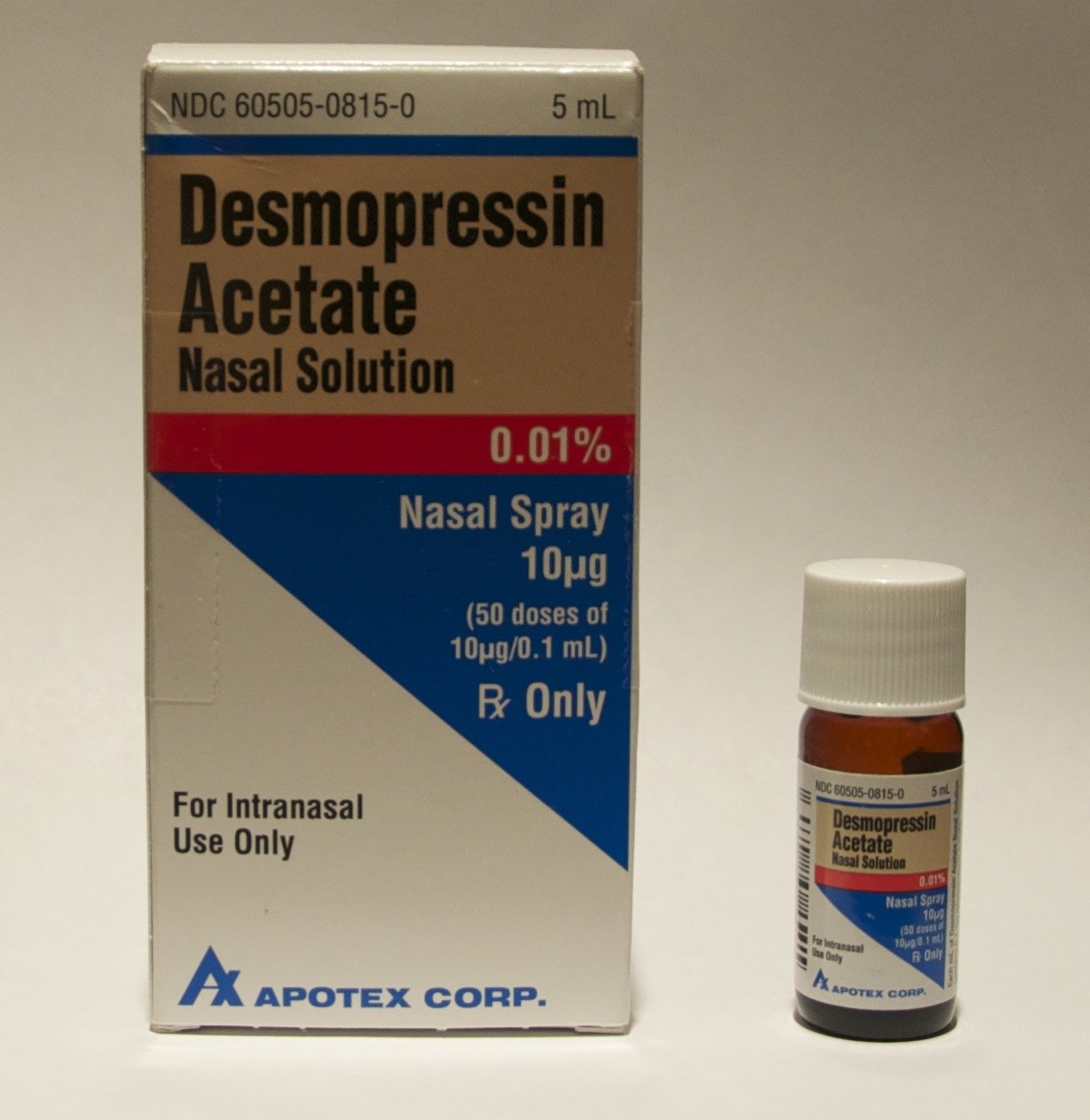
Desmopressin acetate is available in preparations for intranasal, parenteral (injectable), or oral administration (see Table below).

Nasal sprays or solutions of desmopressin

The nasal formulations are supplied with 2 different delivery systems: either a spray pump or a rhinal tube delivery system (see Table below), in which the desmopressin is “sprayed” or “blown” into the nose, respectively. Obviously, most dogs or cats will not tolerate either of these intranasal delivery methods.  Drops placed in the conjunctival sac provide a more suitable alternative for animals.

With the rhinal tube delivery formulation (DDAVP Rhinal Tube®, Sanofi Aventis), the desmopressin is packaged with a small, calibrated plastic catheter so that exact amounts of the drug can be measured and administered.  The calibrated rhinal tube has four graduation marks that measure amounts of 0.05 ml, 0.1 ml, 0.1 ml, and 0.2 ml and thereby can deliver doses of 5 to 20 µg of desmopressin).  Although this system allows for accurate dosing, it is awkward to use. In addition, because this rhinal tube delivery system is not available as a generic product, this formulation is quite expensive.

The most common intranasal formulations of desmopressin are marketed as nasal sprays or solutions equipped with compression pump that delivers 10 µg of drug with each spray. For use in dogs and cats, this spray bottle should be opened (a plier may be neccessary to break the seal) and the desmopressin solution transferred to a sterile vial; this dispensing vial then allows one to place the desmopressin drops within the animal’s conjunctival sac.

These intranasal preparations of desmopressin are generally supplied as a concentration of 100 µg/ml; depending on the size of the drop, one drop of nasal solution corresponds to 1.5 to 4 µg of desmopressin. One highly concentrated nasal solution (1.5 mg/ml) is marketed for use in hemophilia (see Table below), but it should not be used to treat animals with diabetes insipidus because of the strong likelihood of overdosage.

In most cats and smaller dogs, 1 to 2 drops of the intranasal preparation administered once or twice daily are sufficient to control polyuria and polydipsia.  Larger dogs may require up to 4 to 5 drops twice daily. Use of a tuberculin or insulin syringe allows for more accurate dosing. Application of desmopressin into the conjunctival sac may cause local irritation, as the solution is acidic. Some animals may object to the daily eye drops, making this route of administration ineffective.

Oral desmopressin tablets

The oral preparation of desmopressin is available both as a sublingual dissolve melt tablet (not suitable for treating cats) and as 0.1 mg and 0.2 mg tablets. Each 0.1 mg (100 µg) tablet is roughly comparable to 5-10 µg (1-2 large drops) of the nasal solution (see Table below).

The tablet form of desmopressin is a more cost-prohibitive alternative compared with the conjunctival or subcutaneous routes of administration. The cost of daily oral desmopressin in animals is roughly 2.5-times that of the cost of conjunctival drops, and roughly 6 times the cost of subcutaneous injections of desmopressin. For some pet owners, however, the use of a tablet form may prove to be a more convenient, or the only possible route of administration that is possible.

Injectable desmopressin solutions for SC or IV use


An injectable sterile solution of desmopressin acetate (4 µg/ml) marketed for intravenous use is available (see Table) and can be used in animals with diabetes insipidus. However, the cost of the injectable desmopressin is approximately 7 to 15 times higher per µg than the intranasal preparation, making this formulation cost-prohibitive for use in most dogs and cats.

To circumvent this cost issue, the intranasal form of desmopressin – although not designed for parenteral use – can be given subcutaneously to cats with excellent results.

Because the nasal forms of desmopressin are not considered to be sterile, however, it is best to first sterilize the product by passing the nasal solution through a 0.2 micron bacteriostatic syringe filter. Clinically the nasal and injectable preparations of desmopressin induce indistinguishable responses when administered subcutaneously.

To make dosing easier, the desmopressin is best administered with an U-100 low-dose insulin syringe. The solution can be diluted in sterile physiologic saline to make dosing easier.

The subcutaneous route of desmopressin administration has many advantages over the other routes of administration. These advantages include the following:
  • First, drug appears to be most effective when administered via the subcutaneous route.
  • Second, the duration of action is longer after subcutaneous injection than when administered orally or via the conjunctival sac.
  • Third, because of the smaller subcutaneous doses required to control signs (about 15% and 40% of the oral and conjunctival doses, respectively), the cost of treatment is greatly reduced.
  • Fourth, many cats seem to prefer long-term subcutaneous injections to the chronic use of eye drops or oral medication.


Company Web sites for more information:
Sanofi Aventis
Ferring Pharmaceuticals
CSL Behring
Bausch and Lomb
Hospira
Teva Pharmaceuticals
Apotex Corporation

Desmopressin acetate is also available generically (many companies) and may also be known by the following synonyms and internationally registered trade names:
Concentraid®, D-Void®, Defirin®, Desmogalen®, Desmospray®, Desmotabs®, Emosint®, Minurin®, Nocutil®, Octim®, Octostim®, or Presinex®

Diagnosis of Diabetes Insipidus: Is the Water Deprivation Test Necessary?

Several different diagnostic approaches can be used to confirm and distinguish central diabetes insipidus, nephrogenic diabetes insipidus and primary (psychogenic) polydipsia. The water deprivation test is generally considered by most authorities to be the best diagnostic test to differentiate between these disorders. However, the water deprivation test has many disadvantages, which include the following:
  • The test is very labor intensive
  • The test can be difficult to perform correctly
  • The test is quite unpleasant for the dog or cat
  • The test relies heavily on repeated emptying of the bladder
  • The test can lead to untoward complications
  • The test can lead to misdiagnosis in some animals

A simpler and more practical method of diagnosis that I recommended as an alternative to water deprivation testing is evaluation of the clinical response to a closely monitored therapeutic trial with the vasopressin analogue, desmopressin (DDAVP).

Use of the therapeutic trial with desmopressin as a diagnostic test 

This approach is less complicated and time consuming than the water deprivation test, and is certainly easier on the cat. The cost of the two approaches varies according to circumstances but is often comparable. Again, before a desmopressin trial is initiated, it is extremely important to rule out all other common causes of polyuria and polydipsia, limiting the differential diagnosis to central diabetes insipidus, primary nephrogenic diabetes insipidus, and primary (psychogenic) polydipsia. For further information, see my previous blog posts.

To perform the test, the owner should first measure the animal's 24-hour water intake for 2 to 3 days before desmopressin is initiated, allowing free-choice water intake. The dog or cat is then treated with therapeutic dosages of desmopressin (see our next post, What Drugs Do We Use to Treat Diabetes Insipidus).

For the purposes of this test, the desmopressin ideally is administered subcutaneously at the dosage of 1.0 to 4.0 μg twice daily for a period of 5 to 7 days. If subcutaneous injections cannot be given, administration of desmopressin by the conjunctival (1-5 drops twice daily) or oral routes (0.05-2.0 mg twice daily) can be used instead. During this treatment period, the owner should continue to measure the animal’s daily water intake and monitor the degree of urine output.

A dramatic reduction in water intake (>50% of pre-treatment measurements) and polyuria strongly suggests a diagnosis of central diabetes insipidus, whereas a lack of any reduction in polydipsia and polyuria is most consistent with primary nephrogenic diabetes insipidus. With more prolonged treatment, water consumption and urine output should completely normalize in dogs and cats with central diabetes insipidus.

In any older dog or cat that develops diabetes insipidus, one should consider pituitary imaging with computerized tomography or magnetic resonance imaging to exclude a pituitary mass. This is especially true if the affected animal has associated neurological signs.


Computerized tomography (CT) image of the brain of a cat with diabetes insipidus. Note the very large pituitary tumor invading the hypothalamus.