Showing posts with label methimazole. Show all posts

Monday, August 3, 2015

Hypothyroidism in Cats—How is it Diagnosed and Treated?


Earlier this year, Dr. Mark Peterson participated in an Endocrinology course organized by the American College of Veterinary Internal Medicine (ACVIM). An overview of his lecture on feline hypothyroidism was summarized by Dr. Jennifer Garcia and published in the July 2015 issue of Veterinary Medicine. To access this article online, click here.

Hypothyroidism in cats—how is it diagnosed and treated? 
More cats may be affected by this disease than you think, and even cats with subclinical or mild forms may benefit from thyroid replacement therapy. In his presentation at the American College of Veterinary Internal Medicine (ACVIM) Small Animal Internal Medicine Endocrinology Course “Feline hypothyroidism: Current aspects on prevalence, diagnosis, and treatment,” Mark E. Peterson, DVM, DACVIM, noted that the number of cats with this disorder may be higher than we think and that many of these cats may benefit from therapy. Peterson explained that most cases of hypothyroidism in cats are iatrogenic in nature—after iodine-131 therapy, antithyroid drug therapy or thyroidectomy. Congenital and adult-onset forms of the disease occur but are considered rare.

As clinicians, we need to be more aware of this disease since even cats with subclinical or mild forms may benefit from thyroid replacement therapy. Peterson pointed out that up to 20% to 50% of cats with hypothyroidism may have azotemia, which will improve with treatment of the hypothyroidism. Diagnosing hypothyroidism in cats could be challenging, as even cats that are ultimately diagnosed with this disorder may initially have a thyroxine (T4) concentration in the low end of the reference range. The same can be true of a free T4 concentration, even if performed by using equilibrium dialysis.

Patient evaluation and monitoring
For patients in which hypothyroidism is suspected, either based on clinical signs or history (e.g. post iodine-131 therapy), Peterson recommends evaluating the T4 concentration in conjunction with a thyroid-stimulating hormone (TSH) concentration. While the only commercially available TSH assay is canine-specific, the assay cross-reacts with feline TSH as well. As in dogs, finding a low or low-normal T4 concentration in conjunction with an elevated TSH concentration is supportive of a diagnosis of hypothyroidism in cats.

Three months after iodine-131 therapy or antithyroid drug therapy is initiated or a thyroidectomy is performed, Peterson recommends monitoring T4 concentrations for up to six months. This should be considered sooner in cats that develop evidence of renal disease. He suggests that a post-treatment T4 concentration should be in the mid-normal range. Cats with values lower than this should have a measurement of their TSH concentration, but Peterson says some cats will experience an increase in their TSH concentration prior to a decrease in their T4 concentration.

Treatment recommendations 
So which cats should be treated with thyroid hormone therapy? Peterson suggests that cats that have supportive clinical signs—lethargy and weight gain—and low T4 or high TSH concentrations should be treated. Cats that have no clinical signs but have supportive laboratory test results and azotemia should also be treated.

For cats that require thyroid hormone supplementation, Peterson recommends a starting dose of levothyroxine 0.075 mg orally twice a day. This is higher than what is commonly used in dogs because cats metabolize the hormone much more quickly and don’t absorb it as well as dogs. Administration on an empty stomach is recommended. To monitor cats that are receiving replacement therapy, Peterson recommends a four-hour post-pill T4 concentration with a therapeutic goal in the mid-normal range.

Monday, May 11, 2015

Top Endocrine Publications of 2014: The Feline Thyroid Gland


In my fourth compilation of the canine and feline endocrine publications of 2014, I’m moving on to disorders of the feline thyroid gland. Listed below are 32 papers that deal with a variety of thyroid gland topics of issues of clinical importance in cats.

These range from from a survey of owners' perceptions and experiences after using radioiodine to treat their hyperthyroid cats (1) to the results of an online survey to determine owner experiences and opinions on the management of their cats using oral anti-thyroid medications (14); from case reports of methimazole or carbimazole-induced toxicity in cats with hyperthyroidism (3,5,19) to a number of publications involving various issues of medical treatment with methimazole (2,4,7,14,15,20); from a study of the concurrent diseases detected in hyperthyroid cats undergoing assessment for radioiodine treatment (25) to concurrent diseases and conditions in cats with renal infarcts (including hyperthyroidism (12); and finally, from studies investigating the efficacy of an iodine-restricted diet for management of cats with hyperthyroidism (9,30) to other forms of dietary management for this endocrine disease (19,24).

Finally, 2 investigations add further data concerning chronic renal disease in hyperthyroid cats (31,32), as well as the fact that iatrogenic hypothyroidism contributes to azotemia in these cats (31). A number of 2014 publications deal with the rising prevalence and/or etiopathogenesis of hyperthyroidism in cats (6,16,17,21,22,23,29). Unfortunately, further studies are needed to better define the cause(s) of this perplexing disease (download my review paper for more discussion) (23).

References:
  1. Boland LA, Murray JK, Bovens CP, et al. A survey of owners' perceptions and experiences of radioiodine treatment of feline hyperthyroidism in the UK. J Feline Med Surg 2014;16:663-670. 
  2. Boretti FS, Sieber-Ruckstuhl NS, Schafer S, et al. Transdermal application of methimazole in hyperthyroid cats: a long-term follow-up study. J Feline Med Surg 2014;16:453-459. 
  3. Bowlt K, Cattin I, Stewart J. Carbimazole-associated hypersensitivity vasculitis in a cat. J Small Anim Pract 2014;55:643-647. 
  4. Bruyette D. Methimazole management of feline hyperthyroidism. Today's Veterinary Practice 2014;July/August:38-41.
  5. Castro Lopez J, Lloret A, Ravera I, et al. Pyogranulomatous mural folliculitis in a cat treated with methimazole. J Feline Med Surg 2014;16:527-531. 
  6. Chow K, Beatty JA, Barrs VR, et al. PBDEs and feline hyperthyroidism. Vet Rec 2014;175:433-434. 
  7. Daminet S, Kooistra HS, Fracassi F, et al. Best practice for the pharmacological management of hyperthyroid cats with antithyroid drugs. J Small Anim Pract 2014;55:4-13. 
  8. Daniel GB, Neelis DA. Thyroid scintigraphy in veterinary medicine. Semin Nucl Med 2014;44:24-34. 
  9. Fritsch DA, Allen TA, Dodd DE, et al. A restricted iodine food reduces circulating thyroxine concentrations in cats with hyperthyroidism. Intern J Appl Res Vet Med 2014;12:24-32. 
  10. Fryers A, Elwood C. Hypokalaemia in a hyperthyroid domestic shorthair cat with adrenal hyperplasia. J Feline Med Surg 2014;16:853-857. 
  11. Galgano M, Spalla I, Callegari C, et al. Primary hypothyroidism and thyroid goiter in an adult cat. J Vet Intern Med 2014;28:682-686. 
  12. Hickey MC, Jandrey K, Farrell KS, et al. Concurrent diseases and conditions in cats with renal infarcts. J Vet Intern Med 2014;28:319-323. 
  13. Higgs P, Costa M, Freke A, et al. Measurement of thyroxine and cortisol in canine and feline blood samples using two immunoassay analysers. J Small Anim Pract 2014;55:153–159. http://onlinelibrary.wiley.com/doi/10.1111/jsap.12181/abstract
  14. Higgs P, Murray JK, Hibbert A. Medical management and monitoring of the hyperthyroid cat: a survey of UK general practitioners. J Feline Med Surg 2014;16:788-795. 
  15. Hill K, Gieseg M, Bridges J, et al. The pharmacokinetics of methimazole in a novel lipophilic formulation administered transdermally to healthy cats. N Z Vet J 2014;62:208-213. 
  16. Hill KE, Shaw IC. Does exposure to thyroxine-mimics cause feline thyroid hyperplasia? Vet Rec 2014;175:228-229. 
  17. Kooistra HS. Feline hyperthyroidism: a common disorder with unknown pathogenesis. Vet Rec 2014;175:456-457. 
  18. Kujawa A, Olias P, Bottcher A, et al. Thyroid transcription factor-1 is a specific marker of benign but not malignant feline lung tumours. J Comp Pathol 2014;151:19-24. 
  19. Laflamme D, Gunn-Moore D. Nutrition of aging cats. Vet Clin North Am Small Anim Pract 2014;44:761-774, vi. 
  20. Mardell EJ. Diagnosis and management of feline hyperthyroidism. In Practice 2014;35:162-170.
  21. McLean JL, Lobetti RG, Schoeman JP. Worldwide prevalence and risk factors for feline hyperthyroidism: A review. J S Afr Vet Assoc 2014;85:1097. 
  22. O'Neill DG, Church DB, McGreevy PD, et al. Prevalence of disorders recorded in cats attending primary-care veterinary practices in England. Vet J 2014;202:286-291. 
  23. Peterson ME. Feline hyperthyroidism: an animal model for toxic nodular goiter. J Endocrinol 2014;223:T97-T114. 
  24. Peterson ME, Eirmann L. Dietary management of feline endocrine disease. Vet Clin North Am Small Anim Pract2014;44:775-788. 
  25. Puig J, Cattin I, Seth M. Concurrent diseases in hyperthyroid cats undergoing assessment prior to radioiodine treatment. J Feline Med Surg 2014. 
  26. Rasmussen SH, Andersen HH, Kjelgaard-Hansen M. Combined assessment of serum free and total T4 in a general clinical setting seemingly has limited potential in improving diagnostic accuracy of thyroid dysfunction in dogs and cats (Letter). Vet Clin Pathol 2014;43:1-3. 
  27. Sangster JK, Panciera DL, Abbott JA, et al. Cardiac biomarkers in hyperthyroid cats. J Vet Intern Med 2014;28:465-472. 
  28. Schober KE, Kent AM, Aeffner F. Tachycardia-induced cardiomyopathy in a cat. Schweiz Arch Tierheilkd 2014;156:133-139. 
  29. Stephens MJ, Neill DG, Church DB, et al. Feline hyperthyroidism reported in primary-care veterinary practices in England: prevalence, associated factors and spatial distribution. Vet Rec 2014;175:458. 
  30. van der Kooij M, Becvarova I, Meyer HP, et al. Effects of an iodine-restricted food on client-owned cats with hyperthyroidism. J Feline Med Surg 2014;16:491-498. 
  31. Williams TL, Elliott J, Syme HM. Effect on renal function of restoration of euthyroidism in hyperthyroid cats with iatrogenic hypothyroidism. J Vet Intern Med 2014;28:1251-1255. 
  32. Williams TL, Elliott J, Syme HM. Association between urinary vascular endothelial growth factor excretion and chronic kidney disease in hyperthyroid cats. Res Vet Sci 2014;96:436-441. 

Sunday, November 2, 2014

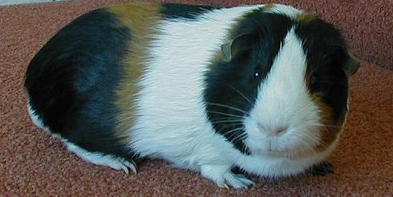
Hyperthyroidism in Guinea Pigs: An Emerging Disease


PAPER REVIEW

Hyperthyroidism in Four Guinea Pigs: Clinical Manifestations, Diagnosis, and Treatment
by F. Künzel, B. Hierlmeier, M. Christian, and M. Reifinger

Background

Only limited information regarding hyperthyroidism in guinea pigs has been reported, much of which has been published as a general review article (1-3). Therefore, veterinarians may not be aware of this disease, resulting in under-diagnosis of this condition.

The purpose of this case series by Künzel et al. (4) is to describe the results of diagnosis, treatment, and outcome of guinea pigs with hyperthyroidism. The goal was to provide additional information about this disease to help clinicians dealing with guinea pigs that may be suspected of having this disease.

Case Series of 4 Guinea Pigs Suffering from Hyperthyroidism

Signalment: Hyperthyroidism was diagnosed in four guinea pigs (3 females and 1 male), ranging in age from 3 to 6 years. These 4 cases represented 1.3% of guinea pigs examined at the University clinic during the same 2.5-year period.

Clinical features: Clinical signs reported in all guinea pigs included weight loss despite the maintenance of a normal appetite.   Polyuria was noted in 2 of the 4 cases.

Physical examination findings: Physical examination revealed evidence for weight loss and a palpable mass in the ventral cervical region in all guinea pigs. Additional findings in individual guinea pigs included unkempt hair coat, tachycardia and tachypnea.

Serum chemistry results and thyroid hormone determinations: All 4 of the guinea pigs showed elevated serum alanine aminotransferase (ALT) activity. The diagnosis of hyperthyroidism was confirmed by demonstration of increased serum total thyroxine (T4) concentrations in all guinea pigs, as measured by chemiluminescent technique (5).

Treatment: Surgical thyroidectomy was attempted in 1 case but the guinea pig died during anesthetic induction. Histopathology confirmed thyroid adenoma.

The other 3 guinea pigs were treated with methimazole, using starting doses of 1-1.4 mg/kg/day. Based on clinical signs and results of follow-up serum T4 values, the final methimazole doses ranged from 2-3 mg/kg every 24 hours in 2 cases and 2.5 mg/kg every 8 hours in the third guinea pig. In this latter case, radioactive iodine treatment was eventually performed.

Response to treatment: All 3 of the treated guinea pigs showed progressive weight gain as serum T4 concentrations fell to within the reference interval. However, all died of unknown causes 18-28 months following initial treatment.

My Bottom Line:

Hyperthyroidism in guinea pigs represents a relatively new addition to the list of differential diagnoses for weight loss in guinea pigs (2-4). In many ways, the description and management of hyperthyroidism in these 4 guinea pigs mimics the situation we had with feline hyperthyroidism in the early 1980’s, as we were just starting to routinely recognize this common disease in cats (6,7).

The signalment (middle-aged to senior), clinical signs (weight loss despite a good appetite) and physical exam findings (palpable thyroid nodule) displayed by these guinea pigs are all remarkably similar to those of the typical hyperthyroid cat. The finding of a high total T4 concentration was diagnostic in all of these 4 guinea pigs, as it is in over 90% of hyperthyroid cats.

Treatment with methimazole was successful in management of 3 of the 4 guinea pigs. However, on a body weight basis, much higher daily doses were needed for the guinea pigs, at least compared to the typical hyperthyroid cat.  Use of radioiodine therapy also appears to be a safe and promising treatment for guinea pigs suffering from hyperthyroidism (2,5). However, more work needs to be done before this becomes an accepted therapeutic approach for hyperthyroidism in the guinea pig.

References:
  1. Mayer J, Hunt K, Eshar D, et al. Thyroid scintigraphy in a guinea pig with suspected hyperthyroidism. Exotic DVM 2009;11:25-29.
  2. Mayer J, Wagner R, Taeymans O. Advanced diagnostic approaches and current management of thyroid pathologies in Guinea pigs. Vet Clin North Am Exot Anim Pract 2010;13:509-523. 
  3. Brandao J, Vergneau-Grosset C, Mayer J. Hyperthyroidism and hyperparathyroidism in guinea pigs (Cavia porcellus). Vet Clin North Am Exot Anim Pract 2013;16:407-420. 
  4. Kunzel F, Hierlmeier B, Christian M, et al. Hyperthyroidism in four guinea pigs: clinical manifestations, diagnosis, and treatment. J Small Anim Pract 2013; 54:667-671
  5. Muller K, Muller E, Klein R, et al. Serum thyroxine concentrations in clinically healthy pet guinea pigs (Cavia porcellus). Vet Clin Pathol 2009;38:507-510. 
  6. Peterson ME, Johnson JG, Andrews LK. Spontaneous hyperthyroidism in the cat. Spontaneous hyperthyroidism in the cat. Proceedings of the American College of Veterinary Internal Medicine 1979: 108.
  7. Peterson ME, Kintzer PP, Cavanagh PG, et al. Feline hyperthyroidism: pretreatment clinical and laboratory evaluation of 131 cases. J Am Vet Med Assoc 1983;183:103-110. 

Saturday, October 11, 2014

Unmasking Kidney Disease In Hyperthyroid Cats after Treatment


I have two hyperthyroid cats that both had "completely normal" kidney function until we started treating with methimazole. On treatment, the serum T4 concentrations in both cats have come down nicely to 1.2 and 2.0 µg/dl, respectively (reference interval, 1.0-4.0 µg/dl), so these values are within the low-normal range, which is what I aim for after treatment.

In the first cat, the serum creatinine has increased from 1.2 mg/dl up to 2.0 mg/dl, whereas the serum creatinine value in the second cat rose from 1.5 mg/dl up to 2.5 mg/dl. Based on the IRIS staging system, both cats could be classified as having stage 2 chronic kidney disease (CKD).

How do I manage such hyperthyroid cats that develop "new" CKD after treatment? Should I lower the methimazole or stop it all together in order to help improve the kidney function?

My Response:

Hyperthyroidism and CKD are both very common problems of the older cat and may occur concurrently in the same patient (1,2). Because hyperthyroidism increases the glomerular filtration rate (GFR) and renal blood flow (RBF), the kidney disease may be masked and only revealed once the cat is rendered euthyroid (3-5). As you know, that's what happened in these two feline patients.

However, it is very important to understand that treatment of hyperthyroidism doesn't cause new kidney problems; the CKD was already present in your cats before the methimazole treatment, but the serum creatinine values were normal, in part due to the high GFR associated with hyperthyroidism. Now that you have the hyperthyroidism under control, the lowering of circulating thyroid hormone concentrations has also resulted in a drop in GFR, unmasking the underlying CKD that was already there.

Management of hyperthyroid cats that develop kidney disease after treatment
So what do we do with hyperthyroid cats like your two patients here— cats that develop mild CKD after treatment of hyperthyroidism with methimazole?

It was once thought that if azotemia developed following medical treatment, then it would be best to stop the methimazole and leave the hyperthyroidism untreated (or at least under-treat it) to maximize renal function. This recommendation has now been widely abandoned, with the realization that hyperthyroidism could actually be causing renal injury in these cats through the process of glomerular hyperfiltration (1,2,6). This increase in glomerular pressure has been associated with proteinuria and evidence of tubular damage, which could result in progressive renal injury. In other words, hyperthyroidism has the potential to exacerbate these processes and worsen, rather than help, renal function.

On the other hand, it's also important not to over control hyperthyroidism. In other words, we don't want the post-treatment T4 concentrations to go too low because iatrogenic hypothyroidism will make the azotemia worse (7). Even mild degrees of hypothyroidism can worsen the azotemia in susceptible cats. This means that the serum T4 value does not have to be below reference range — even a serum T4 in the lower third of the reference range may be too low, especially if the serum TSH is high, diagnostic for mild hypothyroidism (8).

Because of this association between development of iatrogenic hypothyroidism and worsening of azotemia, my "goal" in treating cats with hyperthyroidism is to reduce the total T4 concentration into the middle of the reference range (e.g., 2.0-3.0 µg/dl with your lab). So in your first cat, you may want to lower the methimazole dose and allow the serum T4 to come up into the mid-normal range. This may help increase GFR and improve kidney function in that cat. One recent study found that restoration of euthyroidism in cats with iatrogenic hypothyroidism resulted in a significant reduction in serum creatinine concentration, with azotemia resolving in half of the cats (9).

Finally, if you unmask kidney disease after treatment of a hyperthyroid cat, this also means that you should take steps to attempt to slow the progression of CKD, just as you would in a geriatric cat with CKD alone. These steps may include one or more of the following, depending on secondary factors and stage of the CKD (10,11):
  • Antibiotics, if urinary tract infection
  • Antihypertensives, if hypertensive
  • Low-phosphate diet
  • Phosphorus binders
  • Calcitriol or ACE-inhibitors, if necessary
  • Subcutaneous fluids
Survival times of hyperthyroid cats that develop mild CKD after treatment
In most cats that develop newly-diagnosed azotemia after treatment for hyperthyroidism, the CKD is mild (usually IRIS stage 2) and associated with few clinical signs other than mild polyuria and polydipsia. Owners of cats that have developed azotemia still report that treatment of the hyperthyroidism has improved the clinical condition of their cat, as shown by weight gain and resolution of other clinical signs of hyperthyroidism.

The survival time of cats that develop azotemia following treatment of hyperthyroidism does not differ from those that do not develop any azotemia (7). This fact may be surprising to many practicing veterinarians who naturally assume that the development of CKD is associated with a worse prognosis. However, CKD progresses relatively slowly in cats, and only about half of all cats diagnosed with mild CKD will ultimately succumb to the disease (12). Many CKD cats die because of unrelated causes.

Survival times of hyperthyroid cats that are azotemic prior to treatment
The situation is completely different in cats that are already clearly azotemic (serum creatinine >2 mg/dl), even before any treatment for hyperthyroidism has been given. In general the survival of this group of cats with azotemic CKD prior to treatment is poor. In one study, the median survival time for azotemic cats was only 178 days; however, survival times in that study was very variable,  ranged from 0 days up to 1,505 days (4.1 years) (13).

Bottom Line:

Hyperthyroid cats that develop "new" CKD after treatment are common, but the azotemia is generally mild and we should not withhold methimazole treatment in those cats. However, we don't want to induce iatrogenic hypothyroidism, and steps should be taken to address the underlying CKD. Unless prior azotemia was present, the prognosis of most treated cats with mild CKD is good to excellent.

References:
  1. Langston CE, Reine NJ. Hyperthyroidism and the kidney. Clin Tech Small Anim Pract 2006;21:17-21.  
  2. Syme HM. Cardiovascular and renal manifestations of hyperthyroidism. Vet Clin North Am Small Anim Pract 2007;37:723-743.  
  3. Graves TK, Olivier NB, Nachreiner RF, et al. Changes in renal function associated with treatment of hyperthyroidism in cats. Am J Vet Res 1994;55:1745-1749.  
  4. Boag AK, Neiger R, Slater L, et al. Changes in the glomerular filtration rate of 27 cats with hyperthyroidism after treatment with radioactive iodine. Vet Rec 2007;161:711-715.  
  5. van Hoek I, Lefebvre HP, Peremans K, et al. Short- and long-term follow-up of glomerular and tubular renal markers of kidney function in hyperthyroid cats after treatment with radioiodine. Domest Anim Endocrinol 2009;36:45-56.  
  6. Syme H. Are methimazole trials really necessary? In: Little SE, ed. August's Consultations in Feline Internal Medicine: Elsevier, 2014;in press.
  7. Williams TL, Elliott J, Syme HM. Association of iatrogenic hypothyroidism with azotemia and reduced survival time in cats treated for hyperthyroidism. J Vet Intern Med 2010;24:1086-1092.  
  8. Peterson ME. Feline focus: Diagnostic testing for feline thyroid disease: hypothyroidism. Compendium 2013;35:E4. 
  9. Williams TL, Elliott J, Syme HM. Effect on renal function of restoration of euthyroidism in hyperthyroid cats with iatrogenic hypothyroidism. J Vet Intern Med 2014;28:1251-1255. 
  10. Bartges JW. Chronic kidney disease in dogs and cats. Vet Clin North Am Small Anim Pract 2012;42:669-692.
  11. Polzin DJ. Chronic kidney disease in small animals. Vet Clin North Am Small Anim Pract 2011;41:15-30. 
  12. Elliott J, Rawlings JM, Markwell PJ, et al. Survival of cats with naturally occurring chronic renal failure: effect of dietary management. J Small Anim Pract 2000;41:235-242.
  13. Williams TL, Peak KJ, Brodbelt D, et al. Survival and the development of azotemia after treatment of hyperthyroid cats. J Vet Intern Med 2010;24:863-869. 

Monday, September 29, 2014

Top Endocrine Publications of 2013: The Feline Thyroid Gland


In my eighth compilation of the canine and feline endocrine publications of 2013, I’m moving on to disorders of the feline thyroid gland.

Listed below are 26 papers published in 2013 that deal with a variety of thyroid gland topics of issues of clinical importance in cats.

These range from from studies of the duration of serum T4 suppression in cats treated with methimazole (1) to the results of a long-term follow-up study of cats treated with transdermal methimazole (2); and from case reports of methimazole or carbimazole-induced toxicity in cats (3,6,19) to the results of an online survey to determine owner experiences and opinions on the management of their hyperthyroid cats using oral anti-thyroid medications (5).

Other studies report the variability in iodine concentrations found in commercial cats foods in the USA (7) to investigation of the radioactivity in the excreta of hyperthyroid cats treated with radioiodine (8); from a comparison of computed tomography and scintigraphy for thyroid imaging in hyperthyroid cats (9) to a review of the clinical usefulness of an assay for measurement of circulating B-type natriuretic peptide (BNP) concentration in hyperthyroid cats (11); and from an overview of the diagnostic tests useful for confirming feline hyperthyroidism (4,12,13,15,17) and hypothyroidism (14) to a study of the effects of an iodine-restricted diet for management of cats with hyperthyroidism (22); from investigations of the pathophysiological mechanism for altered calcium homeostasis in hyperthyroid cats (24) to studies of the renin-angiotensin-aldosterone system activity in hyperthyroid cats with and without hypertension (25).

References:
  1. Boretti FS, Sieber-Ruckstuhl NS, Schafer S, et al. Duration of T4 suppression in hyperthyroid cats treated once and twice daily with transdermal methimazole. J Vet Intern Med 2013;27:377-381. 
  2. Boretti FS, Sieber-Ruckstuhl NS, Schafer S, et al. Transdermal application of methimazole in hyperthyroid cats: a long-term follow-up study. J Feline Med Surg 2013;16:453-459. 
  3. Bowlt K, Cattin I, Stewart J. Carbimazole-associated hypersensitivity vasculitis in a cat. J Small Anim Pract 2013; doi: 10.1111/jsap.12154. 
  4. Bruyette D. Feline hyperthyroidism: Diagnosis and therapeutic modalities. Today's Veterinary Practice 2013;3:25-30.
  5. Caney SM. An online survey to determine owner experiences and opinions on the management of their hyperthyroid cats using oral anti-thyroid medications. J Feline Med Surg 2013;15:494-502. 
  6. Castro Lopez J, Lloret A, Ravera I, et al. Pyogranulomatous mural folliculitis in a cat treated with methimazole. J Feline Med Surg 2013;16:527-531. 
  7. Edinboro CH, Pearce EN, Pino S, et al. Iodine concentration in commercial cat foods from three regions of the USA, 2008-2009. J Feline Med Surg 2013;15:717-724. 
  8. Lamb V, Gray J, Parkin T, et al. Measurement of the radioactivity in the excreta of cats treated with iodine-131 for hyperthyroidism. Vet Rec 2013;172:45. 
  9. Lautenschlaeger IE, Hartmann A, Sicken J, et al. Comparison between computed tomography and Tc-Pertechnetate scintigraphy characteristics of the thyroid gland in cats with hyperthyroidism. Vet Radiol Ultrasound 2013;54:666-673. 
  10. North DL. Uptake of 131-I in households of thyroid cancer patients. Health Phys 2013;104:434-436. 
  11. Oyama MA, Boswood A, Connolly DJ, et al. Clinical usefulness of an assay for measurement of circulating N-terminal pro-B-type natriuretic peptide concentration in dogs and cats with heart disease. J Am Vet Med Assoc 2013;243:71-82. 
  12. Paepe D, Verjans G, Duchateau L, et al. Routine health screening: findings in apparently healthy middle-aged and old cats. J Feline Med Surg 2013;15:8-19. 
  13. Peterson ME. More than just T4: Diagnostic testing for hyperthyroidism in cats. J Feline Med Surg 2013;15:765-777. 
  14. Peterson ME. Feline focus: Diagnostic testing for feline thyroid disease: hypothyroidism. Compend Contin Educ Vet 2013;35:E4. 
  15. Peterson ME. Feline focus: Diagnostic testing for feline thyroid disease: hyperthyroidism. Compend Contin Educ Vet 2013;35:E3. 
  16. Ramoo S, Bradbury L, Anderson G, et al. Sedation of hyperthyroid cats with subcutaneous administration of a combination of alfaxalone and butorphanol. Aust Vet J 2013;91:131-136. 
  17. Rasmussen SH, Andersen HH, Kjelgaard-Hansen M. Combined assessment of serum free and total T4 in a general clinical setting seemingly has limited potential in improving diagnostic accuracy of thyroid dysfunction in dogs and cats (Letter). Vet Clin Pathol 2014;43:1-3. 
  18. Sabatino BR, Rohrbach BW, Armstrong PJ, et al. Amino acid, iodine, selenium, and coat color status among hyperthyroid, Siamese, and age-matched control cats. J Vet Intern Med 2013;27:1049-1055. 
  19. Snead E, Kerr M, Macdonald V. Cutaneous lymphoid hyperplasia mimicking cutaneous lymphoma in a hyperthyroid cat. Can Vet J 2013;54:974-978. 
  20. Sparkes A. Health screening of cats: some timely justification. J Feline Med Surg 2013;15:5. 
  21. Taylor BE, Leibman NF, Luong R, et al. Detection of carcinoma micrometastases in bone marrow of dogs and cats using conventional and cell block cytology. Vet Clin Pathol 2013;42:85-91.
  22. van der Kooij M, Becvarova I, Meyer HP, et al. Effects of an iodine-restricted food on client-owned cats with hyperthyroidism. J Feline Med Surg 2013;14:491-498. 
  23. Whitehouse-Tedd KM, Cave NJ, Ugarte CE, et al. Isoflavone metabolism in domestic cats (Felis catus): Comparison of plasma metabolites detected after ingestion of two different dietary forms of genistein and daidzein. J Anim Sci 2013;91:1295-1306. 
  24. Williams TL, Elliott J, Berry J, et al. Investigation of the pathophysiological mechanism for altered calcium homeostasis in hyperthyroid cats. J Small Anim Pract 2013;54:367-373. 
  25. Williams TL, Elliott J, Syme HM. Renin-angiotensin-aldosterone system activity in hyperthyroid cats with and without concurrent hypertension. J Vet Intern Med 2013;27:522-529. 
  26. Wongbandue G, Jewgenow K, Chatdarong K. Effects of thyroxin (T4) and activin A on in vitro growth of preantral follicles in domestic cats. Theriogenology 2013;79:824-832. 

Thursday, October 4, 2012

When to Stop Methimazole Before Radioiodine Treatment

A client of ours has opted to have her cat's hyperthyroid disease treated by Radiocat. In their pre-treatment instructions they state that the cat must be off methimazole for 2 weeks prior to I-131 treatment. But then the client called another treatment facility, and they told her that the cat can stay on the methimazole right up until the treatment.

So my questions are the following:
  1. Which is the right thing to do? Should we stop methimazole or not before the cat is admitted for radioiodine treatment?
  2. Will methimazole interfere with the radioiodine treatment? 
  3. What is the danger in stopping (or not discontinuing) the methimazole  What problems might develop? Can we protect the cat from those problems and if so, how?
Finally, I would like to get your opinion about the use of "fixed" versus "individualized" radioiodine doses for hyperthyroid cats.  I know that most facilities use a fixed dose (eg, 4 mCi), regardless of size of cat or how elevated the serum thyroid hormone values are in the cats.

My Response:

Should methimazole be stopped before radiodiodine treatment?
Methimazole treatment does NOT appear to interfere with the efficacy of I-131 treatment (1,2), so some facilities say that it's fine to continue the drug up to the day of treatment.

However, think about what we are doing in a hyperthyroid cat to the hypothalamic-pituitary-thyroid axis when we give methimazole (or y/d for that matter). Prior to treatment, all clinically hyperthyroid cats will have undetectable serum TSH levels (3-6)— the high circulating T4 and T3 feed back to the pituitary and shut off TSH secretion. Without any TSH, the "normal" thyroid tissue cannot continue to function and will atrophy. The thyroid tumor doesn't need TSH, and that's why the cat is hyperthyroid.

Untreated hyperthyroid cats generally have undetectable serum TSH concentrations.
Lowering the high serum T4 with methimazole may allow TSH secretion to return to normal. 
Now we give methimazole or y/d. By lowering the serum T4, we lose the negative feedback effect on the pituitary thyrotrophs and tell the pituitary to start secreting TSH once again (4,6,7). This will stimulate the normal, atrophied thyroid tissue to start to function again (8). Part of normal thyroid function is the ability to "take up" iodine from the circulation to make thyroid hormone.

So if we treat a hyperthyroid cat with I-131 that is currently well-controlled on methimazole or y/d, we take the risk that the thyroid iodine uptake in the "normal" tissue would be much greater than it would have been prior to the methimazole administration (2,8). In other words, treating with methimazole may allow more of the radioiodine to get taken up by any remaining normal thyroid tissue and would therefore increase the risk of iatrogenic hypothyroidism (2).

If we stop the methimazole for a few days, we can predict that the high T4 would again shut off TSH and decrease the percentage of I-131 uptake by any remaining "normal" thyroid tissue. That is the reason I like to stop the methimazole for 5-7 days prior to treatment.

In some cats with chronic, severe hyperthyroidism, however, the risk of "thyroid storm" outweighs the rise of iatrogenic hypothyroidism (9). In those cats, I generally continue the methimazole up to the day of treatment. In these select, unstable cases (most of which have been on methimazole for years), I don't want to risk having these cats develop a fatal arrhythmia or cardiac failure because we stopped the methimazole.

Which is better— Fixed I-131 doses or individual I-131 dose calculations?
Giving a fixed dose of 4 mCi of radioiodine to all hyperthyroid cats makes no sense to me, since over half of my cats respond completely to a dose less than 3 mCi, whereas other cats with very large benign goiters need doses of 10-12 mCi.  When I show a series of thyroid scintigraphic images (see Figure belowto cat owners and ask them if it is reasonable that the cats with smaller tumors would need much smaller I-131 doses then the cats with large to huge tumors, they universally agree!


Thyroid scintiscans from 4 hyperthyroid cats, with thyroid tumors ranging from small to very large in size. Obviously, cats with small to medium-sized thyroid adenomas require much lower I-131 doses to ablate their thyroid tumors than do the cats with the much large tumor volumes.
It certainly is much more difficult and requires more work to do individual I-131 dose calculations (thyroid uptakes and thyroid scintigraphy are needed) for hyperthyroid cats (2,10). Obviously, it is much easier for a radioiodine treatment facility to give a standard, fixed dose to all cats. I just don't believe it's better for the cats — those with severe hyperthyroidism can be undertreated, whereas cats with mild hyperthyroidism will be overtreated and are much more likely to develop hypothyroidism.  

References:
  1. Nieckarz JA, Daniel GB. The effect of methimazole on thyroid uptake of pertechnetate and radioiodine in normal cats. Vet Radiol Ultrasound 2001;42:448-457. 
  2. Peterson ME, Broome MR. Radioiodine for hyperthyroidism. In: Bonagura JD, Twedt DC (eds): Current Veterinary Therapy V. Philadelphia, Saunders Elsevier, 2012; in press
  3. Wakeling J, Smith K, Scase T, et al. Subclinical hyperthyroidism in cats: a spontaneous model of subclinical toxic nodular goiter in humans? Thyroid 2007;17:1201-1209. 
  4. Wakeling J. Use of thyroid stimulating hormone (TSH) in cats. Can Vet J 2010;51:33-34. 
  5. Wakeling J, Elliott J, Syme H. Evaluation of predictors for the diagnosis of hyperthyroidism in cats. J Vet Intern Med 2011;25:1057-1065. 
  6. Baral R, Peterson ME: Thyroid gland disorders, In: Little, S.E. (ed), The Cat: Clinical Medicine and Management. Philadelphia, Elsevier Saunders. pp. 571-592, 2012
  7. Williams TL, Elliott J, Syme HM. Association of iatrogenic hypothyroidism with azotemia and reduced survival time in cats treated for hyperthyroidism. J Vet Intern Med 2010;24:1086-1092. 
  8. Fischetti AJ, Drost WT, DiBartola SP, et al. Effects of methimazole on thyroid gland uptake of 99mTC-pertechnetate in 19 hyperthyroid cats. Vet Radiol Ultrasound 2005;46:267-272. 
  9. Ward CR. Feline thyroid storm. Vet Clin North Am Small Anim Pract 2007;37:745-54.
  10. Peterson ME, Broome MR. Thyroid scintigraphic findings in 917 cats with hyperthyroidism. J Vet Intern Med 2012; 26:754.

Monday, April 30, 2012

Transitioning Hyperthyroid Cats from Methimazole to Hill’s y/d: If It Ain’t Broke, Don't Fix It!

My patient is a 15-year old, F/S, DSH cat with a 2-year history of hyperthyroidism. Her thyroid values had been very well controlled on methimazole. However, she was becoming a “pain” to pill daily, and her methimazole dosage had recently increased from 2.5 mg to 5.0 mg per day. She has a past history of diabetes and had been in remission for 3 years on a low-carbohydrate, high-protein diet (dry Purina DM, ½ cup per day). She is a dry food addict and refuses to eat any canned cat food.

When Hill’s y/d came out, I thought that it was the perfect solution for this cat. Although she didn’t appear to like the y/d during the first week, she was eating it fairly well by the second week. Her methimazole dosage was completely phased out over the course of two weeks. I rechecked her serum T4 concentration at 4 and 8 weeks after starting the y/d and her T4 values were 3.9 μg/dl and 3.5 μg/dl, respectively (both in the upper end of the reference range).

My concern is that this cat has become ravenous, constantly begging for more food. The owner has fed the dry y/d in the amounts recommended by Hill’s (½ cup per day) and has even increased the amount fed to the cat. However, the cat doesn’t always finish the y/d she is fed and still cries for more food (obviously, she wants to eats something else).

The cat is starting to look quite emaciated, losing 2 pounds and a large amount of muscle mass over the 8 weeks she has been on the y/d diet. Her last serum glucose concentration was also higher than I’d like (at 210 mg/dl), although not high enough for me to diagnose overt diabetes and start insulin treatment once again.

Because of the cat’s clinical response, I decided to take her off the y/d and restart the methimazole and her regular food. She has only been back on the Purina DM for two weeks but already looks much better and has regained a pound. She certainly is acting much happier and is more content. The constant begging and crying have stopped. Both the serum concentrations of T4 (2.2 μg/dl) and glucose (125 mg/dl) are lower than they were on the y/d.

Is this a problem Hill's is seeing with the y/d? I feel like I did more harm than good to my cat by switching her over from methimazole to the y/d. What are your thoughts on this food?

My Response

In the future, you may want to follow the advice of the adage (1), "If it ain’t broke, don't fix it!”

Let me first state that most cats that are treated with Hill’s y/d diet respond better than your cat did (it would be difficult to have a worse response!). But this case does bring up the issue that many cats will not respond completely to this diet, and some cats, such as this patient, will completely fail to respond.

And remember that even if a cat does respond adequately, the diet must be continued as the sole food source for the rest of the cat’s life to maintain euthyroidism (2). With y/d, the underlying cause of a cat’s hyperthyroidism will never be cured; rather, the hyperfunctional thyroid tumor(s) remains and may continue to grow larger with time (3,4).

So what happened to your cat to cause the failure of y/d? Well, it looks like a number of issues contributed to the problems with rapid weight loss, muscle wasting, and recurrence of hyperglycemia that this cat experienced while being fed Hill’s y/d diet.

Poorly controlled hyperthyroidism on the y/d diet
First of all, the serum T4 concentration in this hyperthyroid cat only decreased into the high-normal range. If you had measured a free T4 concentration in this cat when fed the y/d, I can guarantee that the free T4 value would have been quite high. No matter what treatment is given, it’s important to lower the total T4 concentration into the mid-normal range to ensure that the cat’s free T4 is also normalized and whole-body euthyroidism is restored (3,5,6).

So persistent and poorly controlled hyperthyroidism certainly contributed to the worsening of this cat’s weight loss and muscle wasting, despite the increased appetite in this cat. Remember hyperthyroidism accelerates the metabolic rate and body’s energy expenditure (7,8); these cats are burning up their food calories faster than they can consume their daily meals (5,6,9). In some cats, as in your patient, the body consumes its own muscle tissue to get the protein it needs to sustain its carnivorous life.

Decreased caloric intake on the y/d diet
In addition to the poorly controlled hyperthyroidism, it also appears that your cat was eating significantly fewer calories when fed the y/d. If we compare the caloric content of Purina DM to Hill’s y/d, we find that ½ cup of DM provides almost 300 kcal whereas ½ cup of y/d provides only 259 kcal (2,10). This 40 kcal per day might not seem like much, but that’s a 15% decrease in the amount of daily calories ingested!

Another important point in this cat is the fact that she did not find the y/d particularly palatable, and therefore did not eat more of the y/d food to compensate for the lower-caloric food. Remember, a few cats may actually like the y/d, but almost all of the cats I have seen on the diet would much rather eat another type of food if given the choice (11).

Decreased protein intake on y/d diet
In addition to caloric density, Hill’s y/d is also much lower in protein compared to the Purina DM (36% vs 58% on a dry matter basis) (2,10).

Remember that protein is the primary macronutrient responsible for maintenance of muscle mass. Restoring and preserving any remaining muscle tissue in cats treated for hyperthyroidism depends upon the cat consuming a diet with sufficient amounts of high-quality protein.

The lower protein intake of Hill’s y/d, together with the lower caloric intake, both contributed to the muscle breakdown and rapid loss of muscle mass in this cat when fed the diet. If this cat had been able to increase the daily amounts of y/d ingested, this may have lessened or prevented the loss of muscle mass that developed in the cat (12,13).

Higher carbohydrate intake on y/d diet
It is well accepted by most practicing veterinarians who specialize in feline medicine that a low-carbohydrate diet is a mainstay in the treatment of diabetes mellitus, especially if remission of the diabetic state is the goal. Feeding a low-carbohydrate diet will improve insulin sensitivity, reduce or eliminate the need for exogenous insulin, and help stabilize glucose metabolism in these cats (14-16).

If remission is achieved, it is very important to continue the low carb diet. In this cat, remission of diabetes was maintained for years by feeding Purina DM diet, which is relatively low in carbohydrates (i.e., 15% on a dry matter basis). Most feline veterinarians like to feed even lower levels of carbs (< 10%) to cats with active diabetes (14,15). To achieve these low carbohydrate levels, we must feed a canned food —none of the available dry cat foods contain <10% carbohydrates. If the diabetic cat goes into remission, we recommend maintaining a restricted carbohydrate diet for life to help prevent relapse of the diabetic state.

In contrast, Hill’s dry y/d diet is relatively high in carbs (i.e., 29% on a dry matter basis), much higher than the 15% found in Purina dry DM diet (2,10). This increased carbohydrate load likely contributed to this cat’s hyperglycemia and probably would have led to recurrence of overt diabetes mellitus if the y/d diet had been continued.


Hill’s y/d and the hyperthyroid cat: my bottom line

Overall, this case illustrates a number of potential problems with y/d for managing cats with hyperthyroidism.
  1. First of all, the diet may not be totally effective in lowering serum total and free T4 values.
  2. Secondly, the diet is not very palatable to many cats, and some cats either refuse to eat the diet or fail to eat enough.
  3. Thirdly, because the y/d diet is relatively low in protein, weight loss and muscle wasting may result if the hyperthyroid cats fail to ingest adequate amounts of the diet to provide the calories and protein they need to restore normal body weight and muscle mass.
  4. Finally, because y/d is a high-carbohydrate diet, this is certainly the worst type of diet to feed to a diabetic cat or a cat in diabetic remission (14-16). These cats should be ideally be fed a low carb canned diet, with higher levels of protein or fat.
For those of you who have read my other posts concerning the Hill’s y/d diet, you know that I’m not a big fan. Of course, we all care for hyperthyroid cats in which no other treatment option is found acceptable for the owner. But most cats, at least in the long-term, will do better with our other treatment options, especially definitive therapy that really addresses the cause — that is, the thyroid adenoma or carcinoma causing the hyperthyroid state.

At least for owners who are willing to do the best for their cat, isn’t it most logical to cure the thyroid disease rather than trying to control it with a diet that is too low in protein, too high in carbohydrates, and chock-full of grains that a cat would never eat in the wild? Would you really want your own cat to eat this diet when the long-term consequences are still not even known?

References:
  1. Wikipedia.org. Bert Lance. Quote in Nation’s Business, May 1977. 
  2. Hill's Pet Nutrition website. Prescription Diet y/d Thyroid Feline Health.
  3. Insights into Veterinary Endocrinology blog. Treating Hyperthyroid Cats with an Iodine Deficient Diet (Hill's y/d): Does It Really Work? September 24, 2011. 
  4. Peterson ME, Broome MR: Thyroid scintigraphy findings in 917 Cats with hyperthyroidism. Journal of Veterinary Internal Medicine 2012; in press.
  5. Mooney CT, Peterson ME: Feline hyperthyroidism, In: Mooney CT, Peterson ME (eds), Manual of Canine and Feline Endocrinology (Fourth Ed), Quedgeley, Gloucester, British Small Animal Veterinary Association 2012; 92-110.
  6. Baral RM, Peterson ME. Thyroid gland disorders: Hyperthyroidism & hypothyroidism. In: Little SE, ed. The Cat: Clinical Medicine and Management. St. Louis: Elsevier Saunders 2012:571-592.
  7. Morrison WL, Gibson JN, Jung RT, et al. Skeletal muscle and whole body protein turnover in thyroid disease. European Journal of Clinical Investigation 1988;18:62–68.
  8. Riis AL, Jørgensen JO, Gjedde S, et al. Whole body and forearm substrate metabolism in hyperthyroidism: evidence of increased basal muscle protein breakdown. American Journal of Physiology: Endocrinology and Metabolism 2005; 288:E1067-1073.
  9. Little SE: Evaluation of the senior cat with weight loss. In: Little SE, ed. The Cat: Clinical Medicine and Management. St. Louis: Elsevier Saunders 2012:1176-1181.
  10. Purina Veterinary Diets website. DM Dietetic Management Feline Formula
  11. Peterson ME.  Anorexia in a hyperthyroid cat on Hill’s y/d. Insights into Veterinary Endocrinology blog. February 7, 2012.  
  12. Wakshlag JJ. Dietary protein consumption in the healthy aging companion animal. Proceedings of the Nestlé Purina Companion Animal Nutrition Summit: Focus on Gerontology. St. Louis, MO. 2010, pp. 32-39.
  13. Peterson ME. Can Increasing the Amount of Fat or Carbohydrate in a Cat's Diet Compensate for Low Protein Intake? Insights into Veterinary Endocrinology blog. December 22, 2011. 
  14. Frank G, Anderson W, Pazak H, et al. Use of a high-protein diet in the management of feline diabetes mellitus. Veterinary Therapeutics 2001;2:238-246.
  15. Rand JS. Feline diabetes mellitus. In: Mooney CT, Peterson ME, eds. BSAVA Manual of Canine and Feline Endocrinology, Fourth ed. Quedgeley, Gloucester: British Small Animal Veterinary Association 2012:133-147.
  16. Baral RM, Little SE. Endocrine pancreatic disorders: Diabetes mellitus, gastrinoma, and insulinoma. In: Little SE, ed. The Cat: Clinical Medicine and Management. St. Louis: Elsevier Saunders 2012:547-571.

Wednesday, March 21, 2012

Q & A: Persistent Hyperthyroidism in a Cat Treated with Hill's y/d

My patient is a 12-year old male spayed Siamese cat who has been hyperthyroid for 3 years. Over this time, his thyroid nodules have gradually increased in size and his methimazole dosage has increased from 2.5 mg once a day to 15.5 mg twice a day. Despite this large dose of methimazole, his serum T4 value remained in the high-normal to slightly hyperthyroid range.

After looking over the blood work and dosage and talking to the owner, we decided to try the new Hill's y/d diet. The cat has been on y/d food for over 3 months and her last serum T4 level was high-normal at 3.8 μg/dl. I usually prefer the values to be within the lower end of the reference range, so this seems to high for this cat.

Should I continue the y/d food and recheck or consider adding back the methimazole again? Why isn't this cat responding to either the methimazole or y/d diet?

My Response:

First of all, we must never forget that all cats with hyperthyroidism have a hyperfunctional thyroid tumor (1-6). These tumors are almost always benign at time of diagnosis, but they will usually continue to grow progressively larger when treated medically with either methimazole or carbimazole.

Although we don't know how the growth of these feline thyroid tumors will response to an iodine deficient diet, such as Hill's y/d, I would predict that the tumor will continue in its progressive growth pattern (1).

The fact that neither the methimazole or Hill's y/d is controlling the hyperthyroidism as well as you would expect is probably related to the fact that, after 3 years, the volume of this cat's thyroid tumor tissue is quite large. You could continue the y/d diet and reinstate a small dose of methimazole to the cat's treatment regimen, but you would need to monitor the cat's thyroid function very carefully over the next few weeks to ensure that hypothyroidism does not develop on the concomitant therapy.

Even if you can control the hyperthyroidism now, your cat could live a long time (she is a Siamese, after all). As she ages, the thyroid tumor will continue to grow and may transform into a thyroid carcinoma (7,8). In my studies, less than 2% of recently diagnosed hyperthyroid cats had thyroid carcinoma, whereas up to 20% of cats treated medically for longer than 4 years had evidence of thyroid carcinoma on thyroid imaging (7).

If this was my patient, I'd either do surgery or radioiodine to cure the cat's hyperthyroidism rather than trying to manage it with Hill's y/d or methimazole for the rest of her life. She is already suffering from a severe case of hyperthyroidism, which will only worsen with time. In the long run, a definitive treatment would be the wisest (and most cost effective) means of treating this relatively young cat.

And again, she is a Siamese and most cats of that breed, when properly managed, seem to live almost forever!

References:
  1. Peterson ME, Ward CR. Etiopathologic findings of hyperthyroidism in cats. Veterinary Clinics of North America Small Animal Practice 2007;37:633-645. 
  2. Baral R, Peterson ME. Thyroid gland disorders. In: Little, S.E. (ed), The Cat: Clinical Medicine and Management. Philadelphia, Elsevier Saunders 2012; 571-592. 
  3. Peterson ME: Hyperthyroidism, In: Ettinger SJ, Feldman EC (eds): Textbook of Veterinary Internal Medicine: Diseases of the Dog and Cat (Fifth Edition). Philadelphia, WB Saunders Co. 2000; pp 1400-1419.
  4. Peterson ME: Hyperthyroidism in cats. In: Melian C (ed): Manual de Endocrinología en Pequeños Animales (Manual of Small Animal Endocrinology). Multimedica, Barcelona, Spain, 2008, pp 127-168.
  5. Mooney CT, Peterson ME: Feline hyperthyroidism, In: Mooney C.T., Peterson M.E. (eds), Manual of Canine and Feline Endocrinology (Fourth Ed), Quedgeley, Gloucester, British Small Animal Veterinary Association, 2012; in press. 
  6. Peterson ME: Hyperthyroidism in cats, In: Rand, J (ed), Clinical Endocrinology of Companion Animals. New York, Wiley-Blackwell, 2012; in press.
  7. Peterson ME, Broome MR. Thyroid scintigraphic findings in 917 cats with hyperthyroidism. Journal of Veterinary Internal Medicine 2012; in press.
  8. Hibbert A, Gruffydd-Jones T, Barrett EL, et al. Feline thyroid carcinoma: diagnosis and response to high-dose radioactive iodine treatment. Journal of Feline Medicine and Surgery 2009;11:116-124. 

Tuesday, December 6, 2011

Q & A: Confirming Hyperthyroidism in a Borderline Cat

Jessie, is a 13-year old female DSH cat that presented to our clinic for annual exam and vaccines. The owner reports that Jessie has been doing fairly well, but that the cat has been drinking more water over the last 4 months. The cat has also been progressively losing weight over the past year, dropping from 4.2 kg to 3.6 kg.

My physical examination was unremarkable, except for evidence of mild muscle wasting. Because of the signs of weight loss and polyuria, we ran a complete blood count and serum chemistry profile, but all of the results (including the serum creatinine, BUN, glucose, and calcium) were within reference range limits.

We also did a serum T4, which showed a high-normal value of 51 nmol/L (reference range, 13-51 nmol/L). Because of the high-normal serum total T4 concentration, I added on a free T4 by dialysis, which came back high at 81 pmol/L (reference range, 10-50 pmol/L).

Based on those thyroid results, I made a diagnosis of hyperthyroidism and started the cat on methimazole (Felimazole, Dechra) at a dosage of 2.5 mg, PO, once daily. After 2 weeks, we rechecked the kidney values (which remained normal) and a free T4 concentration (which was higher than the pretreatment value at 88 pmol/L).

So my main questions include the following:

  • Why is the free T4 by ED is still high? 
  • Should I only be assessing the free T4 along with a total T4 concentration?  I know that this is important when first trying to diagnose hyperthyroidism, but was wondering if I should be measuring both total and free T4 values on rechecks as well.
  • Could the timing of the blood collection make a difference considering she is on SID dosing? She reports that she gives the cat her medication at about midnight and her sample would have been collected at 5:20 PM (so about 17 hours post-pill).
I am going to likely increase the methimazole dose to 2.5 mg BID. I have also gotten the owner to measure the exact water intake over a 24-hour period.

Thanks. Any help would be much appreciated.

My Response:

My first question is: do you think that cat really is hyperthyroid? I know that the cat has lost weight, but you have examined the cat 2 to 3 times and I don't see any mention of a thyroid nodule. Is there tachycardia or any other clinical signs? Is there improvement in the clinical signs after methimazole?

Determination of free T4 concentrations can be helpful in diagnosis of cats with early or mild hyperthyroidism (1), but the test is pretty worthless in monitoring initial methimazole or I-131 treatment. In addition, falsely high free T4 values have been reported in up to 12% of cats with nonthyroidal illness (1,2).

It does bother me that this cat has lost so much weight and is showing signs of polyuria and polydipsia with these mild thyroid values. Could this cat have nonthyroidal illness and not be hyperthyroid at all?

What I do in borderline cats like this is to do one of the following, especially when a thyroid nodule canot be palpated (2-6):
  1. Repeat the serum total T4 in a week or two using a different technique (either RIA or Chemiluminescence - ie, Immulite methods). Many labs now use an automatic immunoassay technique, which can sometimes be misleading. But remember, the T4 will fluctuate over time, and some "normal" cats just have higher T4 values than the average normal cat. If you get a high total T4 value, we have the answer. Note that falsely high total T4 values do not occur unless there is lab error. 
  2. Repeat the FT4 at the same time as the repeat TT4 test. You have already done this step in this cat, but you didn't repeat the T4 and the cat is on methimazole. Again, a high value with a normal TT4 and no thyroid nodule really doesn't tell you that the cat is hyperthyroid for sure! 
  3. If this in not helpful (i.e., the total T4 not high), then I do either a T3 suppression test or thyroid scintigraphy
  4. Finally, we can just wait and monitor. Over time — generally 3 months — the thyroid tumor (if present) will grow and the T4 will be clearly high. If there is nonthyroidal illness, this will usually become obvious with enough time. 
So in this case, I'd start by asking yourself if the cat is truly hyperthyroid and even needs to be treated. If your answer is yes, the cat is hyperthyroid, then I would increase the dose, and monitor only with a total T4 value. SID dosing is acceptable, but BID dosing is best (7). The timing of the post-pill T4 is not important as long as the medication is given at least once a day (7,9).

Bottom Line: If you are not sure that the cat is hyperthyroid, treating with an antithyroid drug, at least in my opinion, is not a wise choice given that side effects (some serious) can occur. I understand that we all want to look at the "numbers." But when the thyroid numbers are wrong (as they can be), we can never forget that we first must look a the patient.

In other words, we don't treat abnormal lab values — we treat the cat.

References:
  1. Peterson ME, Melian C, Nichols R. Measurement of serum concentrations of free thyroxine, total thyroxine, and total triiodothyronine in cats with hyperthyroidism and cats with nonthyroidal disease. Journal of the American Veterinary Medical Association 2001;218:529-536.
  2. Mooney CT, Little CJ, Macrae AW. Effect of illness not associated with the thyroid gland on serum total and free thyroxine concentrations in cats. Journal of the American Veterinary Medical Association 1996;208:2004-2008.
  3. Baral R, Peterson ME. Thyroid gland disorders. In: Little, S.E. (ed), The Cat: Clinical Medicine and Management. Philadelphia, Elsevier Saunders 2012;571-592.
  4. Mooney CT, Peterson ME: Feline hyperthyroidism, In: Mooney C.T., Peterson M.E. (eds), Manual of Canine and Feline Endocrinology (Fourth Ed), Quedgeley, Gloucester, British Small Animal Veterinary Association, 2012; in press.
  5. Peterson ME: Hyperthyroidism in cats, In: Rand, J (ed), Clinical Endocrinology of Companion Animals. New York, Wiley-Blackwell, 2012; in press.
  6. Peterson ME. Diagnostic tests for hyperthyroidism in cats. Clinical Techniques in Small Animal Practice 2006;21:2-9.
  7. Peterson ME, Kintzer PP, Hurvitz AI. Methimazole treatment of 262 cats with hyperthyroidism. Journal of Veterinary Internal Medicine 1988;2:150–157. 
  8. Trepanier LA, Hoffman SB, Knoll M, et al. Efficacy and safety of once versus twice daily administration of methimazole in cats with hyperthyroidism. Journal of the American Veterinary Medical Association 2003;222:954–958. 
  9. Rutland BE, Nachreiner RF, Kruger JM. Optimal testing for thyroid hormone concentration after treatment with methimazole in healthy and hyperthyroid cats. Journal of Veterinary Internal Medicine 2009;23:1025-1030.

Monday, November 14, 2011

Hyperthyroidism & Renal Disease: Is a "Tapazole Trial" Really Necessary?

Hyperthyroidism and chronic kidney disease (CKD) are both common disorders in older cats. Therefore, it should not be surprising that both disorders frequently develop together in the same cat. The prevalence of concurrent renal disease in cats with hyperthyroidism is estimated to be approximately 30–35% (1,2).

Hyperthyroidism & the Kidney: A Love-Hate Relationship

Hyperthyroidism tends to "artificially" increase the renal blood flow (RBF) as well as the glomerular filtration rate (GFR) (1–4). When the GFR is increased in a hyperthyroid cat with underlying CKD, it can mask renal insufficiency; serum concentrations of urea nitrogen and creatinine may be normal despite mild to moderate kidney disease (1–7). Decreased muscle mass and muscle wasting, a common feature of hyperthyroidism, also contribute to the lowered serum creatinine concentration in these cats (since creatinine is derived from muscle tissue) (1,2).

Treating hyperthyroidism restores the high serum T4 concentration to normal and, in cats without CKD, also returns the high GFR back to normal values. In cats with CKD, however, the GFR will fall to the low-normal or subnormal levels expected with moderate renal dysfunction. Therefore, this decrease in GFR can result in the apparent worsening of the serum kidney function tests or the development of renal disease.

It is important to remember, however, that treating the hyperthyroidism itself does not cause the CKD in these cats. The renal disease was already present before treatment but was masked by the hyperdynamic state of the hyperthyroidism.

Physiological Interactions Between Thyroid Hormones & Renal Function

Hyperthyroidism decreases peripheral vascular resistance by dilating the arterioles of the peripheral circulation. Because of this decrease in systemic vascular resistance, the effective circulating volume decreases, stimulating the renin-angiotensin-aldosterone system. This leads to renal sodium retention with a resultant increase in blood volume. Cardiac output may increase dramatically in cats with hyperthyroidism. In addition to the decrease in systemic vascular resistance, an increase in heart rate, increases in left ventricular contractility and ejection fraction, and increase in blood volume all contribute to this increase in cardiac output (1,2).

These systemic hemodynamic factors (i.e., the increased cardiac output) combined with intrarenal vasodilation lead to increases in renal blood flow (RBF), glomerular hydrostatic pressure, and glomerular filtration rate (GFR). Thyroid hormones also influence renal tubular function including electrolyte handling.

With time, hyperthyroidism can lead to renal changes including glomerular hypertension, glomerulosclerosis, proteinuria, and hyperplasia and hypertrophy of the renal tubules (1,2).

Hyperthyroidism Itself May Contribute to Chronic Kidney Disease

Recent research provides three lines of evidence that untreated hyperthyroidism itself contributes to the development or progression of CKD in cats.
  • First of all, a number of recent reports indicate that many untreated hyperthyroid cats develop proteinuria, which resolves within 4 weeks of successful treatment (8,9). This proteinuria, which reverses after treatment, could be a reflection of glomerular hypertension and hyperfiltration, changes in tubular protein handling, or a change in the structure of the glomerular barrier (1). Whatever the cause of the proteinuria, no treatment is generally needed other than treatment of the hyperthyroid state itself.
  • Secondly, cats with untreated hyperthyroidism have high levels of retinol binding protein (RBP), a urinary marker for tubular dysfunction or damage (10,11). This high urinary RBP excretion may reflect tubular damage or dysfunction resulting from the thyroid-induced hypertrophy and hyperplasia of the tubular cells. After treatment, these high urinary RBP levels fall in cats without azotemia but may remain slightly high in cats with pre-existing CKD. This too suggests that hyperthyroidism can cause reversible renal dysfunction; however, the renal tubular changes may become irreversible with time as CKD progresses.
  • Thirdly, many cats with untreated hyperthyroidism have high values for urinary N-acetyl-ß-D-glucosaminidase (NAG), a lysosomal glycosidase found primarily in epithelial cells of the proximal convoluted tubule (12). Like RBP, NAG is a specific marker of active proximal tubular damage. After treatment, these high urinary NAG levels decrease, again suggesting that these renal changes can be reversed, at least in cats without pre-existing CKD.
Overall, these studies all suggest that that leaving a hyperthyroid cat untreated (or poorly regulated with methimazole) may be detrimental to long-term kidney function. Treating and curing hyperthyroidism may help to both reverse renal damage and preserve remaining kidney function.

Clinical Implications in Hyperthyroid Cats

Decision-making with regard to treating cats with hyperthyroidism and CKD can be difficult. Clinicians can be confronted with two different scenarios concerning hyperthyroid cats with concurrent CKD.
  1. First of all, about 10% of hyperthyroid cats have known pre-existing CKD at time of diagnosis. These cats have obvious clinical and biochemical evidence of mild to moderate kidney disease, and do not present a diagnostic dilemma. However, hyperthyroid cats with pre-existing azotemia are more difficult to treat successfully, at least on a long-term basis. They have a worse prognosis than do cats that are not azotemic prior to treatment for hyperthyroidism.
  2. In the second scenario, cats are initially not azotemic but develop high serum concentrations of urea nitrogen or creatinine only after they have been treated for hyperthyroidism. These cats, which represent 20% to 25% of all hyperthyroid cats, are much more of a diagnostic dilemma because one may not even suspect that they have concurrent renal disease.
1. Pre-existing Azotemia in a Newly Diagnosed Hyperthyroid Cat
In hyperthyroid cats with overt CKD, we can predict that the GFR will fall once the euthyroidism is restored. Therefore, it is generally advised to try medical management prior to a more definitive treatment in cats with concurrent hyperthyroidism and pre-existing CKD. A low starting dose (i.e., 1.25 mg orally once daily) of methimazole with gradual dose escalation is prudent when starting a cat with CKD and hyperthyroidism on medical therapy. Cats should be monitored every 2 weeks with a CBC, biochemical profile, urinalysis, and serum T4 concentration.

Because the initial decline in GFR stabilizes after a month of successful resolution of the hyperthyroidism, one can decide at that time whether or not the cat's renal function is stable or worsening.

Hyperthyroid cat with overt CKD
and hypokalemia
Concurrent management of CKD is also extremely important these cats. If the renal function remains stable after a euthyroid state is established, a more definitive treatment, such as 131-I, should be strongly considered. If, on the other hand, renal function declines dramatically after antithyroid drug treatment, especially if accompanied by marked clinical deterioration of the cat's renal failure (to IRIS Stage 3 or 4), it may be best to maintain the cat on a reversible anti-thyroid therapy, decrease the dose, or stop it all together if need be.

In some of these cats with severe CKD, maintenance of a mild hyperthyroid state may give the best short-term clinical result. However, this course of action is far from ideal, and these cats have a very guarded to poor prognosis. Except in these extreme circumstances, the validity of maintaining a cat in a mildly hyperthyroid state is questionable given that uncontrolled hyperthyroidism, in itself, appears to be damaging to renal function (1,8,10–12)

2. Non-Azotemic Before Treatment of Hyperthyroidism; Development of Post-Treatment Azotemia
Hyperthyroidism is known to increase GFR, decrease circulating creatinine concentrations, and mask underlying renal disease. About 20% to 25% of hyperthyroid cats without known CKD develop azotemia after successful treatment of hyperthyroidism, irrespective of therapeutic modality (methimazole/carbimazole, surgical thyroidectomy, or radioiodine) (1).

Predicting which hyperthyroid cats will develop overt azotemia after treatment of hyperthyroidism can be difficult to impossible. The determination of GFR is clearly the best predictor of post-treatment CKD, with a low to low-normal GFR indicating that a hyperthyroid cat is at increased risk for post-treatment azotemia. However, techniques for assessment of GFR are not widely used in practice, and even GFR determinations are not a 100% perfect predictor of CKD. Routine pre-treatment parameters such as serum urea or creatinine concentrations, and urine specific gravity are certainly useful, but they cannot consistently predict impending azotemia (13).

Should Methimazole Trials be Performed in all Hyperthyroid Cats?

For years, it has been accepted practice to perform a methimazole trial in cats in which hyperthyroidism has been newly diagnosed to evaluate the impact of a euthyroid state on renal function.  Again, determining which untreated hyperthyroid cats have clinically significant underlying CKD can sometimes be difficult. Use of methimazole or carbimazole can provide a "preview" of how the cat will be after curing hyperthyroidism. Thus, many veterinarians attempt trial therapy with methimazole or carbimazole to help test what renal function might remain after treating the hyperthyroidism. If no marked deterioration occurs, then a more permanent therapeutic option for hyperthyroidism may be recommended.

Except for advanced (IRIS Stage 3–4) CKD, the necessity of this approach in cats without pretreatment azotemia is questionable, given that treatment for the hyperthyroidism is strongly recommended whatever the outcome. In support of this reasoning, the survival of cats that do develop azotemia is not shorter than those that do not develop azotemia after treatment of hyperthyroidism. In one study, the median survival time of cats that developed azotemia (595 days) was similar to that in cats that remained non-azotemic (584 days) after treatment (14).

Preventing Hypothyroidism after Treatment for Hyperthyroidism

Whatever treatment option for hyperthyroidism is considered, it is important to avoid hypothyroidism as it may have its own detrimental effects on GFR. Hypothyroidism in both humans and dogs has been showed to reduce GFR (15,16), and it is likely that similar changes occur in cats that develop iatrogenic hypothyroidism.

In a recent study by Williams et al (17), cats with iatrogenic hypothyroidism were more likely to develop azotemia in the 6 months after treatment than cats that remained euthyroid. Hypothyroid cats with azotemia also had shorter survival times than nonazotemic cats, whereas no difference in survival between euthyroid cats with or without azotemia could be detected. This suggests that the development iatrogenic hypothyroidism contributes to the development of azotemia, at least in cats with mild underlying CKD (IRIS Stage I or II) (17,18). More importantly, the hypothyroidism may shorten survival after treatment of hyperthyroidism.

If a cat with post-treatment azotemia develops a low T4 concentration, a serum TSH level should be measured to help exclude hypothyroidism (19). The finding of a high serum TSH concentration confirms hypothyroidism. A specific assay for feline TSH is not yet available. However, the commercially available canine TSH assay cross-reacts with feline TSH enough to enable its use as a diagnostic test for hypothyroid cats (19,20).

If iatrogenic hypothyroidism is diagnosed, treatment with L-thyroxine (0.1 mg once to twice daily) is indicated (20,21). The dosage should be adjusted based on post-pill serum T4 and cTSH determinations. Most cats treated will show improvement in their azotemia as the hypothyroidism resolves and euthyroidism is restored (18).

Long-Term Renal Function in Cats that Develop Azotemia after Treatment

In most cats that develop post-treatment azotemia, the CKD is not that severe or life threatening. It is also unusual to see a jump of more than one IRIS stage after treatment (22). In other words, hyperthyroid cats with IRIS Stage I–II CKD may develop overt azotemia after treatment, but one would not expect those cats' CKD to advance to more than IRIS Stage II–III after treatment (Figure 1).

Figure 1. Box plots of serum creatine concentrations in 45 hyperthyroid cats
before and after treatment. Prior to treatment 34 of the 45 cats were not azotemic, whereas 11 cats (Green Box) had IRIS stage 2 CKD.
After treatment, 12 of the 34 nonazotemic cats progressed to stage 2 CKD (Red Box).  All 11 cats with prior azotemia remained azotemic, but the the median value was not significantly different (Green Box).
Click image above to enlarge figure.
In addition, the decline in GFR after successful treatment of a cat's hyperthyroidism is not very progressive. Rather, the fall in GFR is detectable within 1 month but then remains stable at this level for months thereafter (1,6). The rise in serum urea nitrogen and creatinine values in cats with CKD follow the decrease in GFR, so that azotemia, when it does occur, would be expect to develop within 1 month of treatment but remain relatively stable over many months (6,22).

The Bottom Line

For years, conventional wisdom has been to perform a methimazole trial in cats in which hyperthyroidism has been newly diagnosed to evaluate the impact of a euthyroid state on renal function. In most cats without overt CKD, use of a methimazole trial prior to definitive therapy is not needed.

Remember that hyperthyroidism itself has long-term deleterious effects on renal function, and survival of cats that do develop azotemia after treatment for hyperthyroidism is no shorter than for those whose renal function remains stable. For those cats that do develop azotemia after their hyperthyroid state is corrected, the renal disease is not generally severe or life-threatening and usually stabilizes within the first month of therapy.

References
  1. Syme HM. Cardiovascular and renal manifestations of hyperthyroidism. Veterinary Clinics of North America: Small Animal Practice 2007;37:723-743. 
  2. Langston CE, Reine NJ. Hyperthyroidism and the kidney. Clinical Techniques in Small Animal Practice 2006;21:17-21. 
  3. Graves TK, Olivier NB, Nachreiner RF, et al. Changes in renal function associated with treatment of hyperthyroidism in cats. American Journal of Veterinary Research 1994;55;1745-1749. 
  4. Adams WH, Daniel GB, Legendre AM. Investigation of the effects of hyperthyroidism on renal function in the cat. Canadian Journal of Veterinary Research 1997;61:53-56. 
  5. Becker TJ, Graves TK, Kruger JM, et al. Effects of methimazole on renal function in cats with hyperthyroidism. Journal of the American Animal Hospital Association 2000;36:215-223. 
  6. Boag AK, Neiger R, Slater L, et al. Changes in the glomerular filtration rate of 27 cats with hyperthyroidism after treatment with radioactive iodine. Veterinary Record 2007;161:711-715. 
  7. DiBartola SP, Broome MR, Stein BS, et al. Effect of treatment of hyperthyroidism on renal function in cats. Journal of the American Veterinary Medical Association 1996;208:875-878. 
  8. van Hoek I, Lefebvre HP, Peremans K, et al. Short- and long-term follow-up of glomerular and tubular renal markers of kidney function in hyperthyroid cats after treatment with radioiodine. Domestic Animal Endocrinology 2009;36:45-56. 
  9. Williams TL, Peak KJ, Brodbelt D, et al. Survival and the development of azotemia after treatment of hyperthyroid cats. Journal of Veterinary Internal Medicine 2010;24:863-869. 
  10. van Hoek I, Daminet S, Notebaert S, et al. Immunoassay of urinary retinol binding protein as a putative renal marker in cats. Journal of Immunological Methods 2008;329:208-213. 
  11. van Hoek I, Meyer E, Duchateau L, et al. Retinol-binding protein in serum and urine of hyperthyroid cats before and after treatment with radioiodine. Journal of Veterinary Internal Medicine 2009;23:1031-1037. 
  12. Lapointe C, Bélanger MC, Dunn M, et al. N-acetyl-beta-D-glucosaminidase index as an early biomarker for chronic kidney disease in cats with hyperthyroidism. Journal of Veterinary Internal Medicine 2008;22:1103-1110. 
  13. Riensche MR, Graves TK, Schaeffer DJ. An investigation of predictors of renal insufficiency following treatment of hyperthyroidism in cats. Journal of Feline Medicine and Surgery 2008;12:160-166. 
  14. Wakeling J, Rob C, Elliott J, et al. Survival of hyperthyroid cats is not affected by post-treatment azotemia. Journal of Veterinary Internal Medicine 2006;20:1523.
  15. Iglesias P, Diez JJ. Thyroid dysfunction and kidney disease. European Journal of Endocrinology 2009;160:503-515. 
  16. Gommeren K, van Hoek I, Lefebvre HP, et al. Effect of thyroxine supplementation on glomerular filtration rate in hypothyroid dogs. Journal of Veterinary Internal Medicine 2009;23:844-849. 
  17. Williams T, Elliott J, Syme H. Association of iatrogenic hypothyroidism with azotemia and reduced survival time in cats treated for hyperthyroidism. Journal of Veterinary Internal Medicine 2010;24:1086-1092. 
  18. Wakeling J. Use of thyroid stimulating hormone (TSH) in cats. Canadian Veterinary Journal 2010;51:33-34. 
  19. Greco DS. Diagnosis of congenital and adult-onset hypothyroidism in cats. Clinical Techniques in Small Animal Practice 2006;21:40-44. 
  20. Peterson ME: Feline hypothyroidism, In: Kirk RW (ed): Current Veterinary Therapy X. Philadelphia, WB Saunders Co., pp 1000-1001, 1989
  21. Harley LS, Peterson ME, Langston CE, Nichols RL: IRIS stages of chronic kidney disease before and after treatment with radioiodine in cats with hyperthyroidism. Journal of Veterinary Internal Medicine 25: 678-679, 2011.